Scabies Outbreak: UK Cases Spike by 20% as Experts Highlight Misinformation Risks
Cases of the highly contagious Victorian disease scabies have surged by almost 20 per cent across the UK, according to recent data. Top dermatologists are warning that widespread misinformation and a lack of public understanding are causing many people to miss the signs of this infectious skin condition, leading to delays in diagnosis and treatment.
Rising Incidence and Key Risk Factors
General practitioners in England have reported just under 900 cases of scabies, marking a significant increase compared to the same period in the previous year. The UK Health Security Agency has documented annual rises in scabies cases from 2021 to 2025, with a notable spike occurring in 2023. This trend underscores the growing public health concern surrounding this persistent ailment.
Scabies is primarily transmitted through prolonged skin-to-skin contact, making individuals in intimate relationships, shared housing situations, or sports teams particularly vulnerable. Professor Tess McPherson, an associate professor of paediatric health and adolescent dermatology at the University of Oxford, notes that those living in group facilities such as university halls or care homes are among the most commonly affected.

Potential Drivers Behind the Surge
One factor contributing to the recent spike in cases may be the return of students to university after breaks, as they re-enter shared living environments. Professor McPherson explains, "We don't know for certain what is driving the cases up, but factors include delays in diagnosis, delays in beginning treatment, and unnecessary stigma meaning people feel embarrassed to share their diagnosis. People not using the treatments to full effect can also lead to reinfection."
Symptoms and Characteristics of Scabies
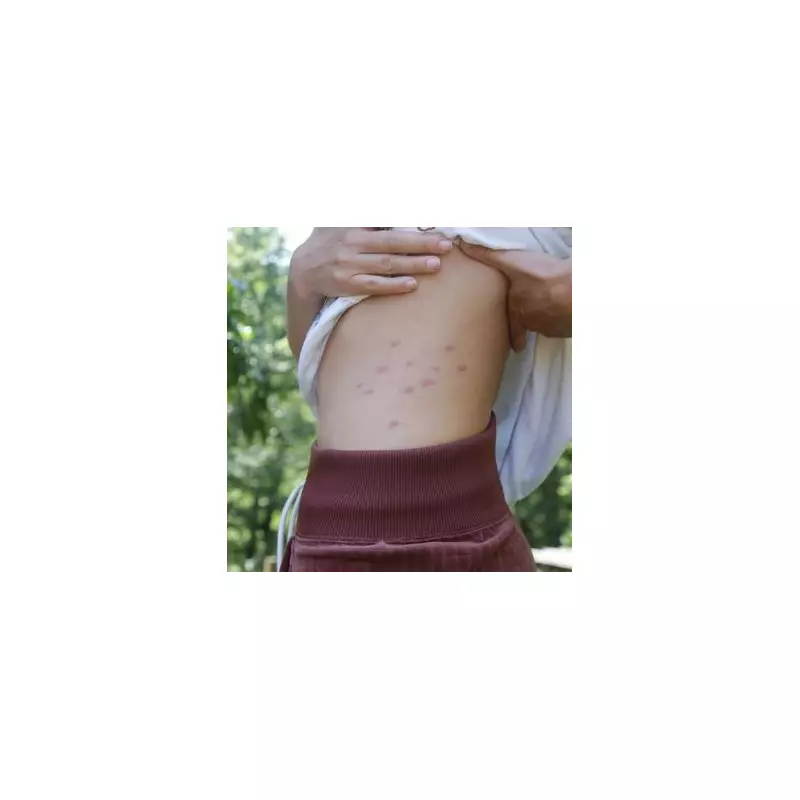
Scabies manifests through intense itching, particularly at night, accompanied by a raised rash or spots. The NHS indicates that these spots may appear red and can be more challenging to detect on darker skin tones, though they should be palpable. The rash is caused by microscopic mites, approximately 0.4mm in diameter, which burrow into the skin to lay eggs. These mites can penetrate up to 2.5cm beneath the skin's surface.
Typically, the rash begins between the fingers and can spread to various parts of the body, presenting as tiny red or dark spots. Common affected areas include the wrists, underarms, waist, groin, and buttocks. However, older adults and young children may develop rashes on their heads, necks, palms, and soles of their feet.
Effective Treatment and Prevention Strategies
Treatment for scabies involves the application of permethrin cream over the entire body, excluding the eye area, which must remain on for 12 hours. A second application is recommended seven days later to eliminate any remaining eggs. The NHS emphasises that all household members should be treated simultaneously, even if asymptomatic, due to the highly infectious nature of scabies, which can take up to eight weeks for symptoms to appear. Children under two require a GP consultation.
To prevent the spread within households, the NHS advises washing all bedding and clothing at 60°C or higher, preferably in a hot dryer, on the first day of treatment. Items that cannot be washed should be sealed in a bag for at least three days to ensure mite eradication. Avoiding the sharing of bedding, clothing, and towels is crucial, and individuals with scabies should refrain from sexual or close physical contact until treatment is completed.
Long-Term Implications and Survival of Mites
Scabies mites can survive for up to 36 hours outside the human body, and as few as ten female mites can trigger a significant outbreak. Without proper treatment, scabies can persist for months or even years as mites continue to reproduce within the skin. This highlights the importance of timely and thorough intervention to curb the spread of this enduring Victorian disease.