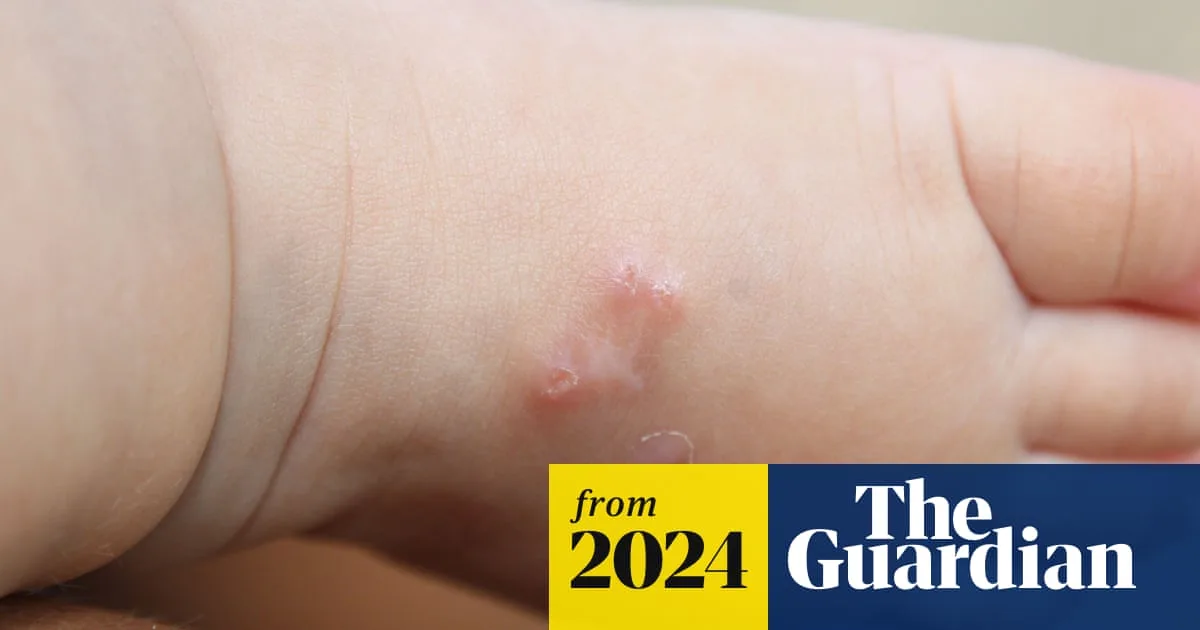
UK Faces Surge in 'Medieval' Scabies Outbreak with Misdiagnosis and Treatment Challenges
The United Kingdom is currently experiencing a substantial and concerning increase in cases of scabies, a skin condition often referred to as a 'medieval' disease. This outbreak is marked by significant challenges, including frequent misdiagnosis by healthcare professionals and difficulties in effective treatment, leaving many sufferers in distress.
Rising Cases and Diagnostic Difficulties
Reported consultations for scabies have seen a dramatic rise, with data from Wales showing over 12,000 cases in 2023-24 compared to just 1,300 in 2018-19. A UK government report indicates a 44% increase in diagnoses at sexual health services between 2023 and 2024. Dr Donald Grant, a GP practising in a Welsh NHS surgery, notes that figures have "steadily risen" in recent years, now "massively exceeding" pre-pandemic levels.
Dr Tess McPherson of the British Association of Dermatologists highlights that many people do not seek GP help, leading to incomplete data. She observes more young people presenting with problematic scabies, partly because individuals often fail to recognise the condition initially. "A lot of people are not getting the right treatments," she states, emphasising that scabies remains stigmatised as a historical ailment.
Treatment Resistance and Personal Impact
While topical over-the-counter treatments can clear scabies for most people, some cases prove resistant. Dr McPherson mentions ivermectin as an option for ongoing infestations. However, the process is arduous: treatment involves applying cream to the entire body, repeating after seven days, and washing all bedding and clothing at 60°C. Jane Grandon from Caerphilly describes her experience as a "nightmare," with itching that "drove her insane" and significant financial cost from replacing items like a washing machine.
Rhodri Thomas, Wales Manager for the National Pharmacy Association, points out that pharmacists in Wales and some other UK regions can provide free consultations and treatment under the NHS common ailments service, bypassing the need for a GP appointment.
Outbreak Locations and Contributing Factors
The Royal College of GPs reports outbreaks in residential and care homes, with "particular prominence" in university halls of residence. Dr Grant attributes the rise to several factors, including treatment delays, closer proximity post-pandemic, and societal stigma that discourages people from seeking help. "Feelings of embarrassment or shame can often lead to people delaying or avoiding treatment entirely," he explains, noting that scabies is sometimes mistaken for eczema or dermatitis.
Understanding Scabies: Symptoms and Risks
Scabies is caused by the Sarcoptes scabiei mite, which burrows into the skin, laying eggs and triggering an allergic reaction. Symptoms include intense itching, especially at night, and a raised rash that often spreads across the body. Dr Miriam Mikicki, a GP and functional medicine practitioner, notes that it can take up to eight weeks for symptoms to appear after initial infection.
High-risk groups include infants, the elderly, those with weakened immune systems, and people in close-contact environments like healthcare workers. A rare form called crusted scabies is highly contagious and involves a large number of mites.
Medical Advice and Prevention
Dr Sophie Momen, a consultant dermatologist, advises seeking medical help if a rash is persistent, worsening, or intensely itchy, particularly if it does not respond to over-the-counter treatments. She recommends suspicion if multiple household members itch or if the rash appears in classic areas like between fingers or around the waist.
Prevention involves avoiding prolonged skin contact with infected individuals and not sharing personal items. In high-risk settings, frequent hand washing and maintaining personal hygiene can reduce transmission. Dr Momen stresses that early detection is crucial, as people may unknowingly spread scabies before symptoms develop.
This resurgence of scabies in the UK underscores the need for increased awareness, reduced stigma, and accessible treatment options to manage the outbreak effectively.