Parasitic Screwworm Flies Detected 90 Miles from US Border, Texas Officials Issue Urgent Warning
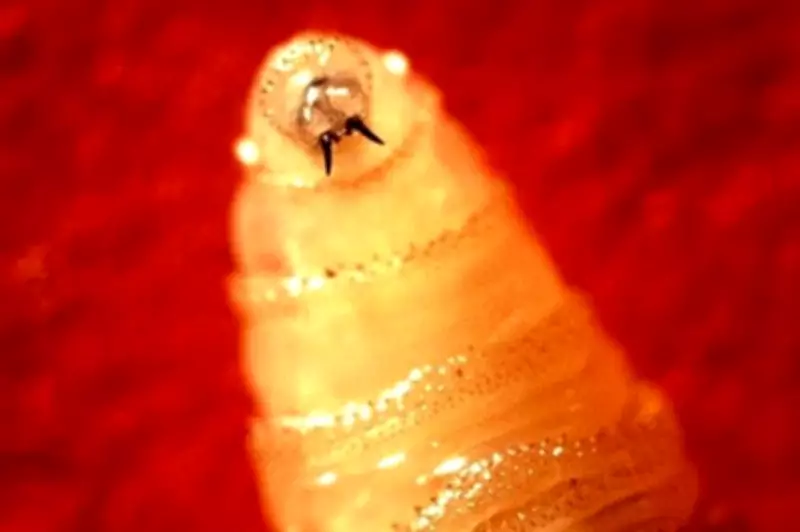
Agricultural authorities in Texas have confirmed the presence of New World screwworm flies in the Mexican state of Nuevo León, located a mere ninety miles from the United States border. This parasitic insect, known for consuming human tissue and depositing eggs within open wounds, represents a significant and escalating biosecurity concern.
A Direct and Imminent Threat to Texas
Sid Miller, the Texas Agriculture Commissioner, has characterised the situation as a direct and imminent threat to the state. In a strongly worded statement issued last week, Miller emphasised the gravity of the crisis. "The New World screwworm is not some distant problem," he declared. "It is a direct and imminent threat to Texas, and we are treating it that way. This is a high-stakes situation for our ranchers, our livestock industry, and our food supply, and we are moving aggressively to stay ahead of it."
Miller stressed the critical importance of early detection for containment, warning that delay could precipitate a full-blown crisis with devastating consequences for cattle herds and agricultural livelihoods across the region. He has urged livestock producers to vigilantly inspect their animals and report any unusual signs immediately.

Biology and Risks of the New World Screwworm
According to the Centers for Disease Control and Prevention (CDC), the New World screwworm (Cochliomyia hominivorax) poses a severe risk to both humans and animals. The parasitic flies are attracted to the scent of open wounds and bodily orifices—including the nose, eyes, ears, and mouth—even those as minor as a tick bite.
- Female flies can lay between 200 and 300 eggs around a single wound or opening at one time.
- Over a lifespan of 10 to 30 days, a single female is capable of producing up to 3,000 eggs.
- Upon hatching, the larvae (maggots) feed on living flesh for approximately seven days before dropping to the ground to pupate in the soil.
Infestations can lead to serious, potentially fatal infections. The CDC advises that any individual observing maggots in or around a wound must seek immediate medical attention, as removal often requires surgical intervention by healthcare professionals.
Containment Efforts and Historical Context
While the U.S. Department of Agriculture (USDA) has initiated response protocols, Commissioner Miller acknowledged that efforts to contain the northward spread of the flies have not yet proven successful. The parasite, typically endemic to South America and the Caribbean, has been advancing steadily northward since 2023, traversing all Central American nations and penetrating Mexico.
The USDA is currently investing in technological advancements to ramp up production of sterile screwworm flies, a key component of eradication strategies. Simultaneously, enhanced surveillance and trapping operations are being conducted along the U.S.-Mexico border to monitor and curb any potential incursion.
It is important to note that the New World screwworm was officially eradicated from the United States several decades ago. The USDA maintains that there is no current evidence of the parasite having re-established a population within U.S. territory. However, sporadic cases have been documented in the past among travelers returning from countries where the screwworm is prevalent, underscoring the persistent risk of introduction.