As temperatures plummet and central heating systems work overtime, the winter months present a significant challenge for the estimated eight million people in the United Kingdom living with eczema. The dry, cold air can trigger painful and itchy flare-ups of the chronic skin condition, also known as atopic dermatitis.
Expert Advice for Managing Winter Flare-Ups
Consultant dermatologist Dr Emma Craythorne has shared crucial guidance for those struggling with symptoms, which often include dry, cracked skin and intense itching on areas like the hands, knees, and elbows. Her central recommendation involves a fundamental change to daily hygiene routines.
Writing in the Mail on Sunday, Dr Craythorne warned that hot showers or baths can severely worsen skin dryness. "Hot water worsens skin dryness because it draws out moisture," she explained. "Heat strips away protective skin layers, including the oils that keep skin hydrated, and can make the skin barrier more fragile." Instead, she advises opting for warm or lukewarm water.

Choosing the Right Products and Routine
Beyond water temperature, product choice is equally vital. Dr Craythorne suggests ditching traditional soaps and fragranced products, which are often "too alkaline" and strip away beneficial skin lipids. Her alternative is to use fragrance-free, cream-based cleansers during the colder months.
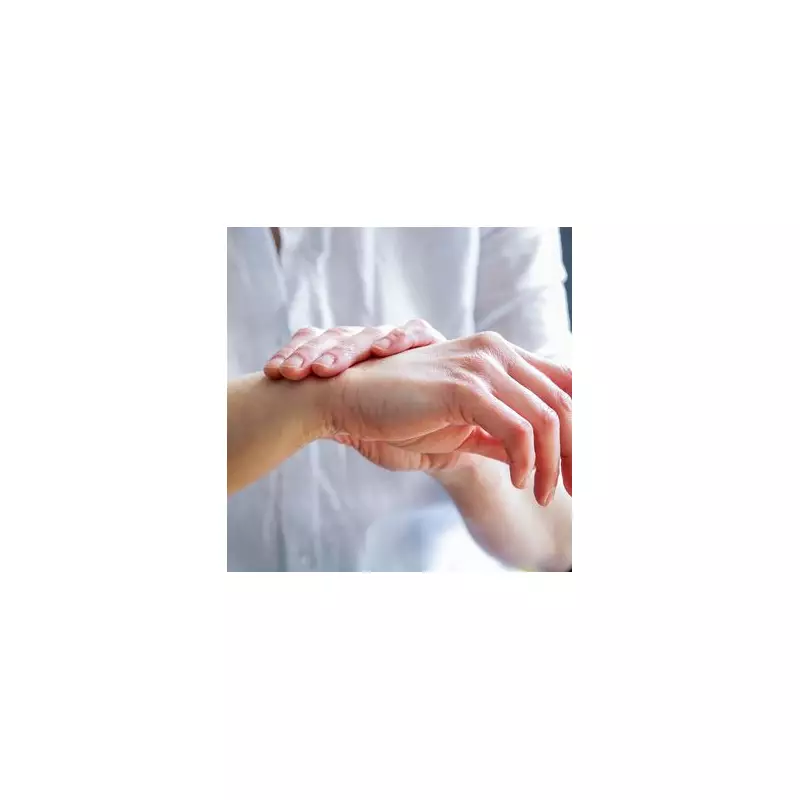
The most critical step, however, happens immediately after bathing. "This is one of the most effective ways to soothe eczema symptoms," she states, recommending that moisturiser be applied to damp skin within moments of stepping out of the shower. Keeping the moisturiser close to the shower acts as a helpful reminder.
This technique helps "lock water into" the skin by creating a protective seal, preventing precious moisture from evaporating. Dr Craythorne specifically highlights products containing ceramides as being particularly beneficial for eczema-prone skin. After applying moisturiser, pat the skin dry gently before getting dressed.
Additional Lifestyle Adjustments for Relief
For further management, Dr Craythorne proposes additional strategies. When outdoors, wearing a warm coat with a faux-fur hood can act as a "moisture trap" for the face. Inside the home, investing in a humidifier can reintroduce moisture into the dry air created by heating systems, potentially easing symptoms.
The NHS supports these management approaches, advising people with eczema to avoid soaps and detergents, use emollients for washing, and keep nails short to prevent damage from scratching. The health service also recommends trying to stay cool and avoiding smoking.
"Living with atopic eczema can be difficult," the NHS notes, adding that those whose mental health is affected may be referred for specialist support. Anyone whose symptoms do not improve with over-the-counter treatments is encouraged to consult their GP or visit the official NHS website for further guidance.