A state of emergency has been declared across parts of England's health service as six NHS hospital trusts activated critical incident protocols. The move comes in response to what officials describe as "severe and sustained pressure" on emergency and inpatient services, driven by a sharp rise in seasonal illnesses.
Hospitals Under Severe Strain
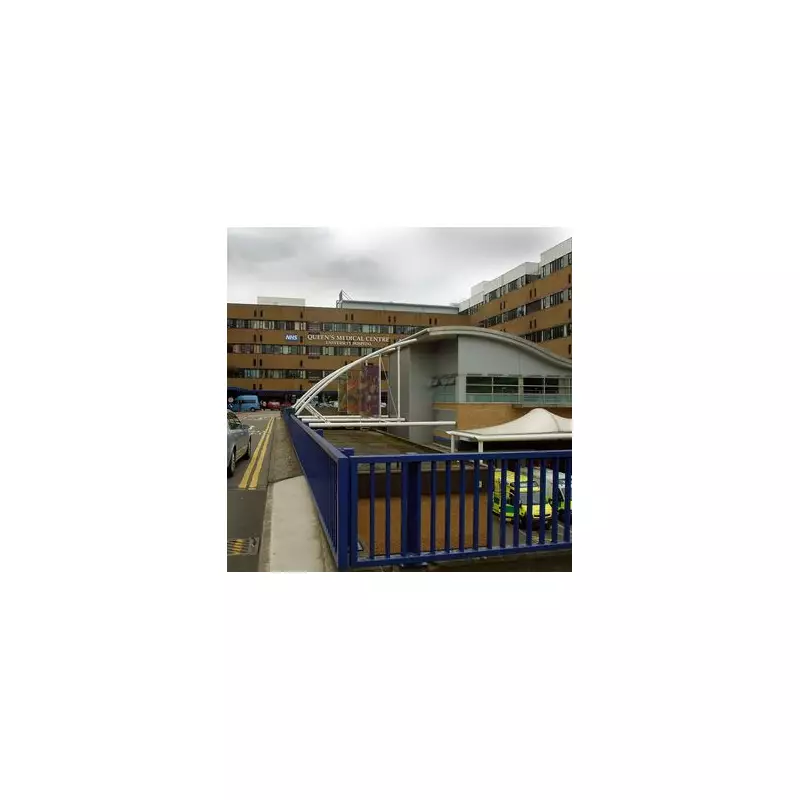
The crisis unfolded on 13 January 2026, with trusts taking the drastic step to manage overwhelming demand. Among those affected are Nottingham University Hospitals NHS Trust and Sherwood Forest Hospitals NHS Foundation Trust. The Queen's Medical Centre in Nottingham, a major trauma centre, is understood to be at the heart of the escalating situation.
Declaring a critical incident is a formal recognition that a trust's resources are stretched beyond normal limits, threatening to compromise patient care. It triggers emergency measures, often including calls for additional staff, the cancellation of non-urgent procedures, and efforts to discharge patients who are medically fit to leave.

Double Threat of Winter Viruses
The intense pressure is being fuelled by a concurrent surge in cases of influenza and norovirus, the winter vomiting bug. These highly contagious illnesses are contributing to:
- A rapid influx of patients requiring emergency care.
- High levels of staff sickness, reducing workforce capacity.
- Bed shortages as wards deal with infected patients needing isolation.
This perfect storm of high community infection rates and internal staffing challenges has pushed hospital systems to a breaking point. The situation highlights the ongoing vulnerability of the NHS during the winter months, even years after the COVID-19 pandemic.
National Implications and Response
The fact that six separate trusts have simultaneously reached this critical stage indicates a widespread problem across regions. It raises urgent questions about resilience and preparedness within the health service for predictable seasonal pressures.
While the specific locations of the other four trusts were not detailed in the initial alert, the declaration by multiple organisations suggests a coordinated national response may be required. Health leaders are likely urging the public to use services responsibly, reserving A&E for genuine life-threatening emergencies and utilising pharmacies, GP services, and NHS 111 for advice on less severe conditions.
The coming days will be crucial in determining whether these emergency measures can stabilise the situation or if further escalation is needed. The incident serves as a stark reminder of the relentless pressure facing frontline NHS staff and the fragility of care systems under strain.