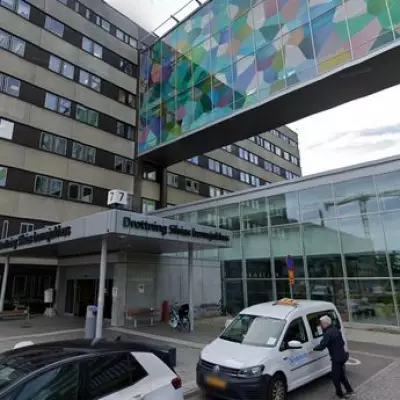
Six NHS hospital trusts across the country have been forced to declare critical incidents, signalling a state of severe crisis within their services. The move comes as a relentless surge in seasonal illnesses, including flu and norovirus, collides with existing pressures, pushing hospitals to their limits.
Nottingham Trusts Among Those Under Severe Pressure
The situation is particularly acute in the Midlands. Nottingham University Hospitals NHS Trust and the Sherwood Forest Hospitals NHS Foundation Trust have both officially declared critical incidents. This formal status indicates that the demand for care is outstripping available resources, threatening to disrupt core services.
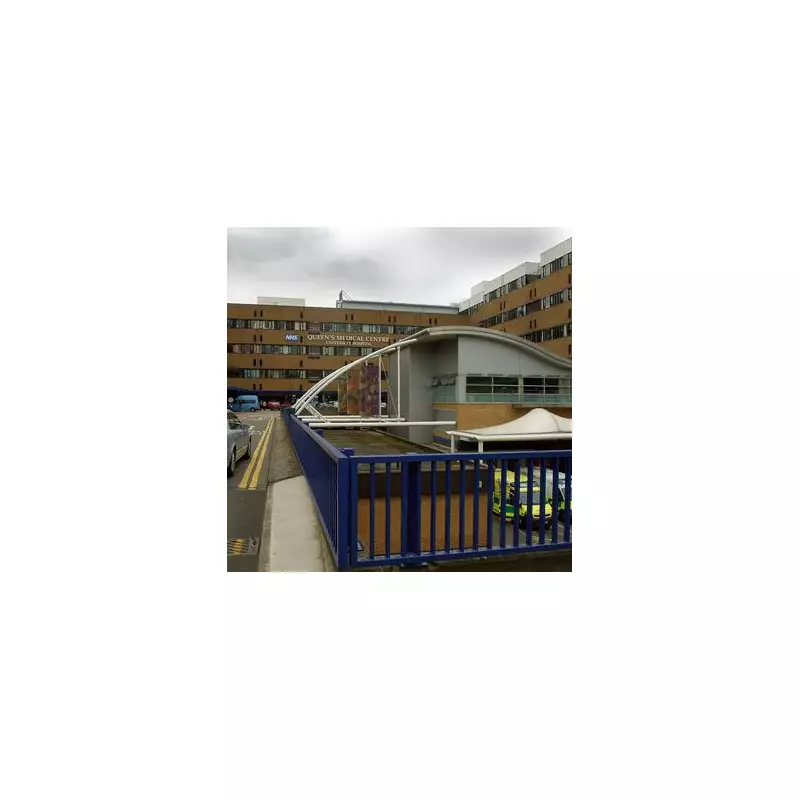
Hospitals within these trusts, including the major Queen's Medical Centre in Nottingham, are experiencing what officials describe as "severe and sustained pressure." The dual threat of influenza and the highly contagious norovirus, which causes vomiting and diarrhoea, is driving a sharp increase in admissions while also sidelining healthcare staff who fall ill.

National Picture of Winter Strain
The declaration by six separate trusts paints a worrying national picture of a health service buckling under familiar winter pressures. A critical incident is typically declared when a trust's internal capacity is overwhelmed, requiring special measures to maintain patient safety and essential services.
This often leads to measures such as:
- Postponing non-urgent elective procedures and outpatient appointments.
- Redirecting ambulances to other hospitals where possible.
- Calling in off-duty staff and utilising all available space for patient care.
- Appealing to the public to use alternative services like pharmacies or NHS 111 for non-emergencies.
The incidents were declared on 13 January 2026, highlighting the intense early-year strain on the NHS. The specific trusts involved, beyond the two in Nottingham, have not been named in the initial report but the situation indicates a widespread challenge.
Implications and Public Advice
These critical incidents have significant ramifications for patient care. Lengthy waits in emergency departments, delays for planned operations, and extreme stress for frontline staff are the immediate consequences. The situation underscores the vulnerability of the health system to seasonal viruses and capacity shortages.
Health leaders are likely to reiterate standard public health advice to help alleviate the burden. This includes urging those eligible to get their flu and COVID-19 vaccinations, practising good hand hygiene to prevent the spread of norovirus, and using health services responsibly. The public is often asked to reserve A&E departments for genuine, life-threatening emergencies during such periods of critical pressure.
The coming weeks will be a crucial test for the affected trusts as they work to stabilise services and manage the ongoing wave of winter illness.