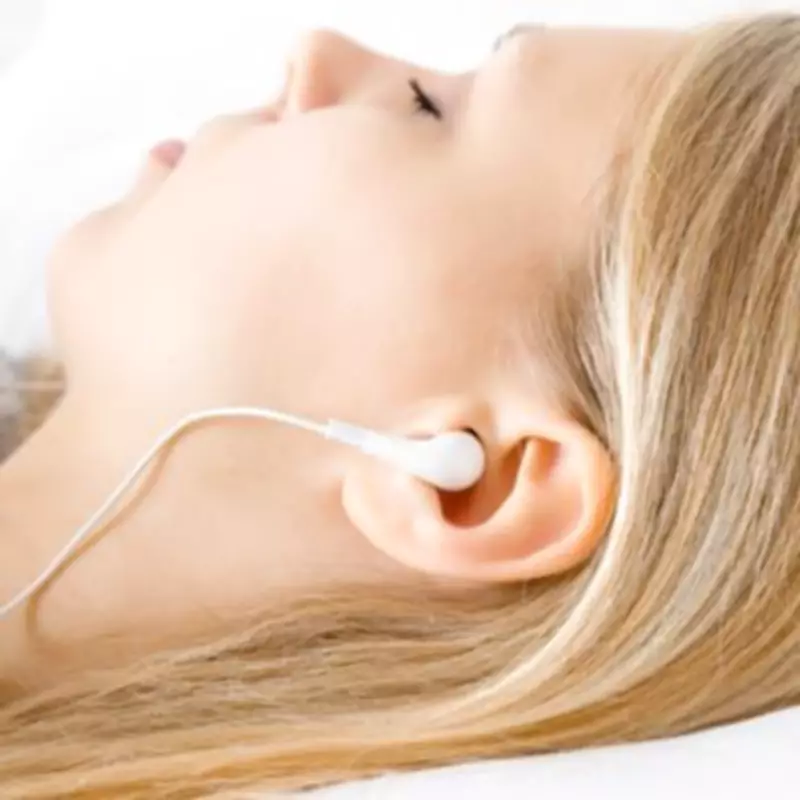
If you enjoy drifting off to sleep while listening to music, ocean sounds, or podcasts, you are part of a widespread habit. However, is it safe to wear earphones as you fall asleep? According to audiologist Valerie Pavlovich Ruff from the Cleveland Clinic, there are significant risks that many people overlook.
Health Risks of In-Ear Devices
Dr. Pavlovich Ruff highlights that in-ear earphones can cause discomfort and bacterial infections over time. While hard plastic earbuds might be tolerable for short periods, sleeping with them regularly can lead to issues. She explains, "In-ear earbuds can trap moisture in your ear canal, especially if you go to bed right after a shower." This moist environment encourages bacterial growth, increasing the risk of outer ear infections.
Additionally, prolonged use of in-ear headphones can result in excessive earwax buildup. In some cases, this may require medical removal by a physician. Another concern is swimmer's ear, a condition typically linked to swimming but also possible when moisture is held in the ear for extended periods, such as with earphone use.

Symptoms and Prevention
Symptoms of swimmer's ear include redness, itching, pain, drainage of pus, and muffled hearing. The NHS advises consulting a pharmacist if these occur, as medicated ear drops may be necessary. Dr. Pavlovich Ruff adds that poorly fitting earphones can irritate and damage the skin inside the ear, potentially leading to necrosis in severe cases, where reduced blood flow causes skin death and sores.
Volume and Time Guidelines
To mitigate hearing damage, experts recommend the "arm's length" rule: if someone standing within arm's length can hear your audio, or you cannot hear them talk without removing your headphones, the volume is too high. Generally, listening at 85 decibels for up to eight hours is safe, but for every 3-decibel increase above 85, safe listening time halves.
For example, at 88 decibels, limit listening to about four hours. Dr. Pavlovich Ruff suggests keeping volume at half or lower and avoiding extended use. She warns, "You can listen to music all day at a safe level, but at very loud volumes, damage can occur in as little as 15 minutes."
Research Findings
A study on self-reported hearing habits found that people listening to music for over three hours were more likely to experience ringing in their ears. Alarmingly, 10% reported listening at 90-100 decibels for prolonged periods, even during sleep, heightening the risk of future hearing impairment.
Safer Alternatives for Sleep
For those who prefer audio while sleeping, wireless over-the-ear headphones are a better option as they are more comfortable and do not block the ear canal. Soft headbands with built-in headphones offer added comfort for side-sleepers. If possible, using an external speaker is ideal, as it reduces ear strain and allows for timer settings to automatically stop playback after a set time.
Dr. Pavlovich Ruff advises, "I normally don't recommend wearing headphones to bed, but if you do, choose over-the-ear or headband styles over in-ear ones. Using an external speaker would be best." By following these guidelines, you can enjoy your bedtime audio while protecting your hearing and ear health.