South Korea Announces Major Expansion of Medical School Admissions
In a significant move to address critical physician shortages, South Korea has unveiled plans to substantially increase medical school admissions over the coming years. The government confirmed on Tuesday that it will boost admissions by more than 3,340 students from 2027 through 2031, targeting one of the world's fastest-aging populations.
Scaled-Back Plan Follows Previous Strike Conflict
The announcement comes months after officials defused a prolonged doctors' strike by abandoning a more ambitious increase proposed by the previous conservative administration. While this scaled-down approach has drawn criticism from medical associations, it represents a compromise solution to a longstanding healthcare crisis.
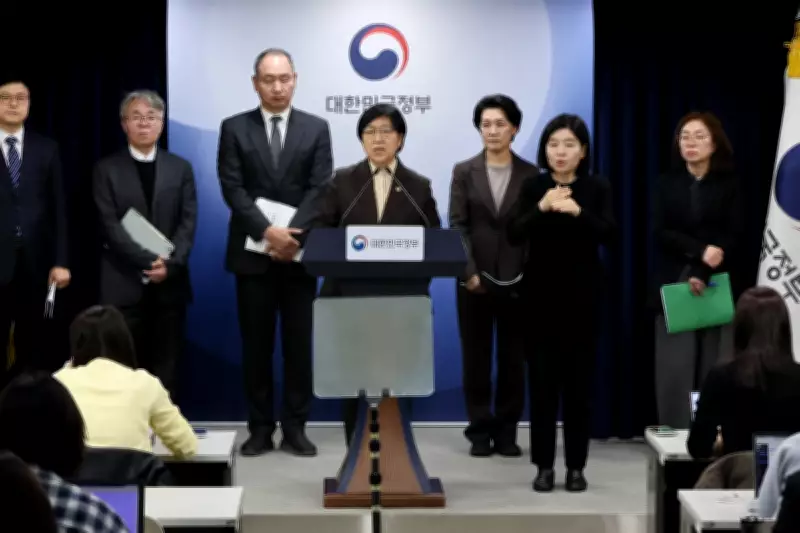
Health Minister Jeong Eun Kyeong detailed the specific admission increases: The annual cap will rise from the current 3,058 to 3,548 in 2027, with subsequent annual increases reaching 3,871 by 2031. This translates to an average yearly increase of 668 students—far below the 2,000-per-year hike initially proposed by former President Yoon Suk Yeol's government, which sparked months of strikes by thousands of doctors in 2024.

Doctors' Groups Express Opposition Through Boycott
The plan faced immediate resistance from medical professionals. Kwak Soon-hun, a senior Health Ministry official, revealed that the president of the Korean Medical Association attended the healthcare policy meeting but left early to boycott the vote confirming admission increases. Doctors' groups have consistently argued that medical schools lack the capacity to handle substantial student increases and that service quality could deteriorate.
Critics have accused these groups of prioritizing future income concerns over addressing the nation's looming physician shortages, particularly in rural areas and essential medical fields.
Regional Focus and Implementation Timeline
Minister Jeong emphasized that all additional students will be trained through regional physician programs specifically designed to increase doctor numbers in small towns and rural communities hardest hit by demographic pressures. The government aims to finalize specific admission quotas for each medical school by April.
"We all remember the difficulties experienced by both the public and medical workers because of conflicts over the scale of physician training," Jeong stated. She pledged that the government would collaborate with experts to "develop and responsibly implement a range of measures for strengthening regional, essential and public health care."
Background of Healthcare Policy Conflicts
The current announcement follows years of healthcare policy turbulence. In 2024, thousands of trainee doctors walked out of hospitals to protest the Yoon government's plan to increase medical school admissions by 2,000 annually, aiming to add up to 10,000 doctors by 2035. The strikes caused modest service disruptions across the country.
Faced with prolonged labor action, the Yoon administration eventually moderated its plans, allowing 1,500 additional students to enroll in 2025. However, the conflict remained largely unresolved until Yoon's impeachment in December 2024 over his brief declaration of martial law, which led to his removal from power in April 2025.
The current liberal government under President Lee Jae Myung restored the annual admission cap to 3,058 for 2026, accommodating medical schools' demands and encouraging remaining trainee doctors to return to work. This latest announcement represents the next phase in South Korea's ongoing effort to balance healthcare workforce expansion with medical community concerns.