Millions of individuals may unknowingly harbour a perilous health condition that often presents with minimal symptoms, yet possesses the capacity to inflict severe damage on vital organs. An esteemed expert has now highlighted "natural" strategies that could assist in managing elevated blood pressure levels effectively.
Natural Approaches to Combat Hypertension
Professor Tim Spector, co-founder of the Zoe Health Study, has cautioned that this 'silent killer' is already affecting countless people worldwide, with incidence rates escalating alarmingly. He recently elaborated on how dietary and lifestyle modifications can naturally reduce blood pressure, potentially diminishing dependence on pharmaceutical interventions, unless otherwise advised by a general practitioner.
Professor Spector emphasised: "If I aim to reverse high blood pressure, I intend to boost your potassium consumption. In nutrition, we have historically overemphasised one component—salt. Research indicates that, while salt remains significant, elements like potassium are actually more crucial. Traditionally, this is achieved by consuming bananas, but most green leafy vegetables also offer high potassium content."

He further noted that individuals adhering to high-plant diets naturally obtain substantial potassium. Increasing this intake can enhance blood pressure management naturally, even prior to initiating blood pressure medications.
Potassium-Rich Leafy Greens Identified
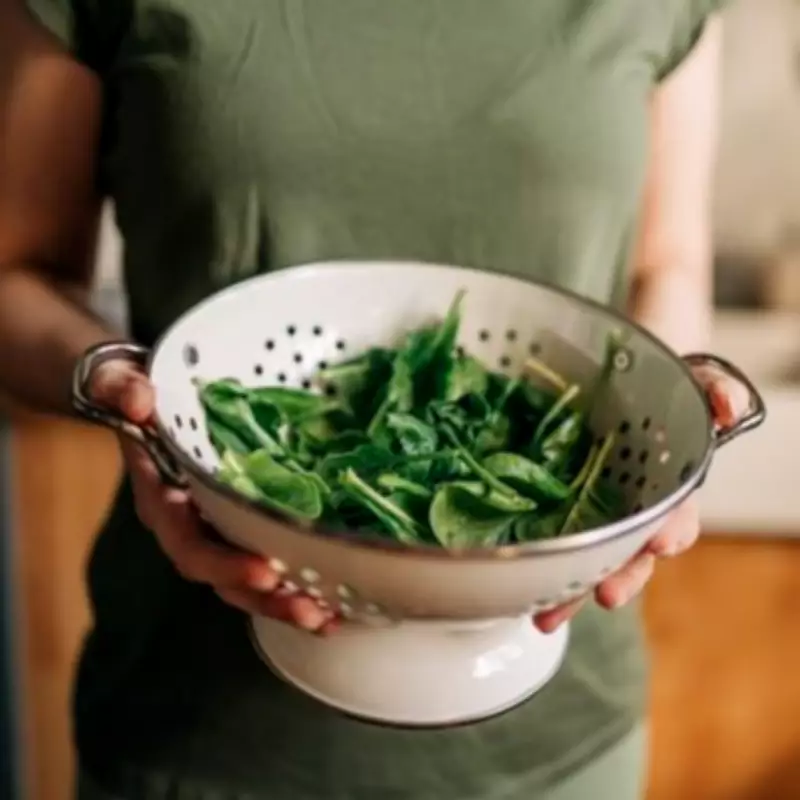
Beet greens and Swiss chard emerge as superior sources of potassium among leafy greens, providing an impressive 900-1,300 milligrams per cooked cup. Beet greens constitute the edible leafy tops of the beetroot plant.
Other excellent selections include cooked spinach, containing 839 milligrams per cup, and bok choy. For optimal potassium absorption, it is advisable to cook leafy greens, as this process elevates potassium levels.
Serious Risks Associated with Hypertension
According to the NHS, high blood pressure, or hypertension, can lead to grave complications such as heart attacks or strokes. Elevated blood pressure imposes extra strain on blood vessels, the heart, and other critical organs, including the brain, kidneys, and eyes.
Many remain unaware they are living with high blood pressure, as symptoms seldom manifest beyond easily disregarded signs like headaches and blurred vision. However, neglecting this condition can amplify risks of complications including heart failure, kidney disease, and vascular dementia.
Hypertension is exceedingly prevalent, particularly among older adults. The sole method to ascertain if you have high blood pressure is through measurement. Pharmacies offer free blood pressure checks for those aged forty and above, with some employers also providing such services.
Additional Strategies for Lowering Blood Pressure
Beyond prescribed medications, adopting healthier lifestyle habits can naturally lower blood pressure readings. Maintaining a "healthy, balanced diet" while accumulating "at least 150 minutes of exercise weekly" can significantly mitigate dangers.
Regarding potassium-rich fruits, dried varieties like apricots, raisins, and prunes lead the list, alongside avocados, bananas, coconut water, guava, kiwifruit, and melons such as cantaloupe and honeydew. All fruits contain some potassium, allowing individuals to mix favourites for added benefits.
The NHS also advises against excessive salt consumption, whether from salty foods or added seasoning, and recommends moderating caffeine-heavy beverages like coffee, tea, and cola. Various medications are available for treating high blood pressure, with suitability depending on factors like blood pressure elevation, age, and ethnic background.