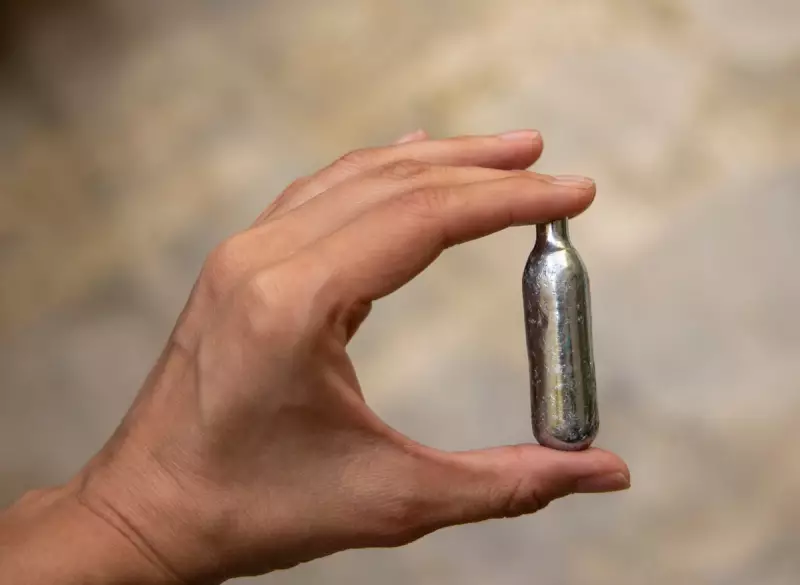
Medical experts are issuing stark warnings over a concerning increase in spinal cord damage among young people, directly linked to the recreational abuse of nitrous oxide. Commonly known as laughing gas or whippets, this substance is legally available for industrial and catering purposes but has become a popular, yet dangerous, pastime for children and teenagers.
Alarming Surge in Cases Post-Pandemic
Research published in the American Journal of Neuroradiology, led by consultant neuroradiologist Seamus Looby from Dublin's Beaumont Hospital, has identified a significant and troubling rise in such cases since the Covid-19 pandemic. Mr Looby emphasised the severity of the situation, stating: "The rise in cases of spinal cord damage since the pandemic is alarming."
While no cases were recorded at the hospital between 2012 and 2020, the study documented 14 diagnoses from 2021 to the end of 2024. The median age of patients affected was just 20 years old, highlighting the vulnerability of young adults to this form of substance abuse.

Permanent Neurological Consequences
Most patients in the study showed some improvement after receiving medical treatment, but crucially, none made a full recovery. Every individual was left with lasting neurological damage, underscoring the permanent risks associated with nitrous oxide inhalation.
The harm occurs when the drug interferes with the body's ability to process vitamin B12, leading to a condition known as subacute combined degeneration of the spinal cord (SACD). Symptoms of this condition include numbness in the hands or feet, alongside significant difficulties with balance and coordination.
Misconceptions Among Teenagers
Professor Looby noted that many teenagers engage in this behaviour under the false belief that it is harmless fun. "Teenagers are inhaling laughing gas canisters as they consider it a bit of harmless fun," he explained. "But what we're seeing tells a different story."
He expressed hope that the study would prompt greater awareness and education on the potential for permanent, damaging effects from nitrous oxide abuse. This research stands as the second-largest European case study focusing on nitrous oxide-induced SACD, adding substantial weight to its findings.
Legal Context in the UK
In the United Kingdom, possession of laughing gas with the intent to get high was made illegal in November 2023. Repeat offenders now face up to two years in jail under this legislation.
Nitrous oxide is classified as a Class C drug under the Misuse of Drugs Act 1971. Dealers who peddle the substance, often nicknamed "hippy crack," could face severe penalties, including up to 14 years behind bars, reflecting the serious legal stance against its distribution and abuse.
The findings serve as a critical reminder of the hidden dangers lurking behind what some perceive as a casual recreational activity, urging both public health initiatives and continued legal enforcement to protect young people from lasting harm.