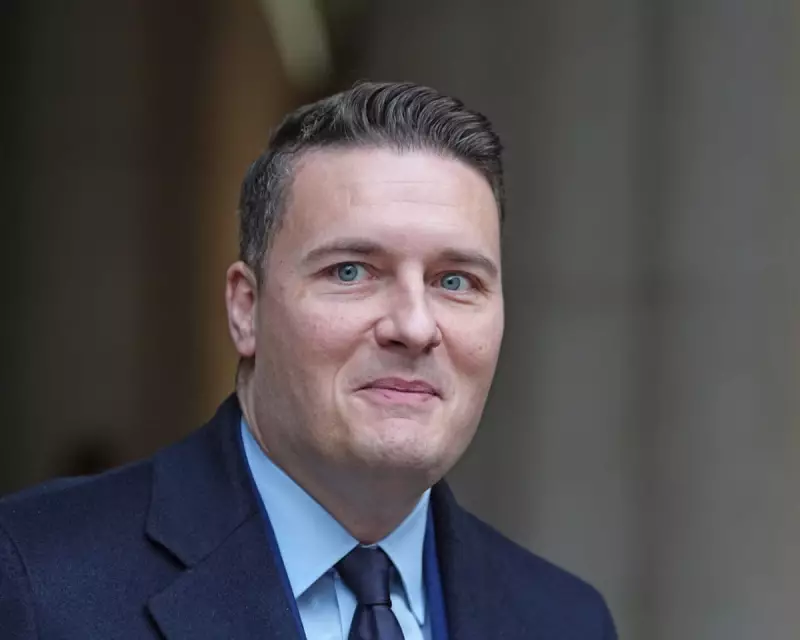
Health Secretary Wes Streeting is poised to deliver a scathing critique of Reform UK's healthcare proposals, branding Nigel Farage's plans for tax relief on private health insurance as a £1.7bn "tax cut for the wealthiest" that would fundamentally undermine the National Health Service.
Costly Proposal for Private Healthcare
In a speech scheduled for Saturday afternoon at a Fabian Society conference in central London, Streeting will reveal that civil servants at the Department of Health and Social Care have calculated the potential cost of Reform's policy using data from healthcare consultancy LaingBuisson. The analysis suggests the proposal could drain £1.7bn from public finances while primarily benefiting those already able to afford private medical cover.
The Labour health secretary is expected to tell delegates: "Reform is committed to spending £1.7bn, not on staff, buildings, or technology, but on tax relief for customers of private healthcare. This tax cut for the wealthiest would be the first step on the road to Farage's insurance system."

Farage's Healthcare Vision
Reform UK's manifesto commitment, made before the 2024 general election, pledged to offer 20% tax relief on all private healthcare policies if the party won power. Party leader Nigel Farage reinforced this position last summer, stating: "Perhaps if we gave people a bit of tax relief on paying for private health care, we might just relieve the pressure off the National Health Service."
Streeting will highlight Farage's broader healthcare philosophy, noting: "Farage says he wants an insurance-based system of healthcare. Just last year, he rejected the public funding model that survived since 1948, saying: 'I do not want it funded through general taxation. It does not work.'"
How the Numbers Stack Up
According to LaingBuisson data, the UK private healthcare market is valued at approximately £8.6bn annually. The majority of this expenditure comes from company healthcare plans worth about £5bn, with individual insurance accounting for roughly £3.6bn.
The government's cost estimate assumes Reform's proposed 20% tax relief would apply equally to both corporate and individual private healthcare plans. Currently, employees receiving company healthcare as a benefit in kind pay income tax on this perk at their normal rate, with the basic rate standing at 20%.
A Warning About Healthcare Principles
Streeting will deliver a stark warning about the implications of Reform's proposals, stating: "A system that checks your pockets before your pulse and asks for your credit card before your care. It's alright for mister moneybags. We know he can afford it. But what about those who can't?"
The health secretary will position Labour as the defender of traditional NHS values, declaring: "We should be in no doubt that the founding principles of the NHS are now contested terrain. And it falls to Labour to defend them. A publicly funded public service, free at the point of use. Back on its feet and fit for the future."
Political Context and Local Elections
Streeting's speech comes as Labour prepares to make the NHS a major focus in campaigns for May's local elections, where Reform UK is predicted to make significant gains. The health secretary will accuse Reform of political hypocrisy, stating: "Reform poses as the voice of the people while working for the interests of the powerful. No wonder they are such an attractive destination for Boris Johnson's Conservatives."
The Fabian Society event will also feature appearances from Energy Secretary Ed Miliband and Labour's deputy leader Lucy Powell, underscoring the importance Labour places on countering Reform's healthcare proposals.
As the debate over healthcare funding intensifies, Streeting's intervention highlights the growing political divide over whether Britain should maintain its traditional tax-funded NHS model or move toward a system incorporating greater private insurance elements.