Health Secretary Wes Streeting is set to meet with victims and families impacted by what has been described as a "silent scandal" involving the drug diethylstilbestrol (DES). This synthetic hormone was prescribed to pregnant women from the 1940s through the 1970s, and its legacy continues to affect multiple generations with severe health consequences.
The Silent Scandal of DES
Diethylstilbestrol, commonly known as DES, was administered to an estimated 300,000 women in the UK over nearly four decades. Initially intended to prevent miscarriages, premature labour, and other pregnancy complications, the drug has since been linked to a range of serious health issues. Studies indicate that women who took DES may face a 30% higher risk of breast cancer, alongside increased risks of pancreatic and cervical cancers.
Generational Impact and Personal Stories
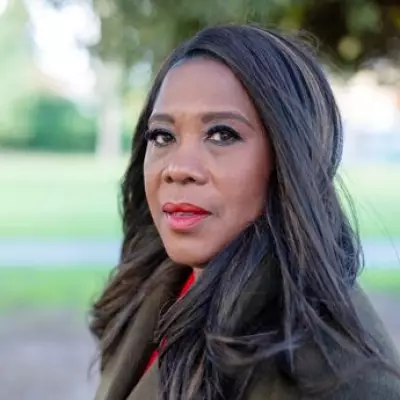
The harm caused by DES has been passed down through generations, affecting not only the women who took the drug but also their daughters, sons, and granddaughters. Many report infertility, reproductive abnormalities, and ongoing health battles. Susie Martin, a 55-year-old from Manchester whose mother was prescribed DES, has undergone between 20 and 30 operations as a result. She describes the physical and emotional pain as "unbearable," with a constant fear of further surgeries or cancer development.

"The impact of this terrible drug cannot be underestimated as it has ruined and devastated so many lives, including my own," Martin said. "This has been the silent scandal for too long, and I am grateful that our voices are finally being heard."
Calls for Action and Justice
Victims and advocacy groups, including DES Justice UK (DJUK), are urging the government to take concrete steps. They are calling for a full statutory public inquiry to uncover how DES was prescribed for so long despite known risks. Additionally, they demand the establishment of an NHS screening programme to identify those at risk and provide necessary medical support.
Clare Fletcher, a partner at Broudie Jackson Canter representing DJUK, emphasized the urgency: "This is one of the biggest pharmaceutical scandals this country has ever seen. The only way to get the truth is with a statutory public inquiry. It is a national disgrace that victims have been ignored, disbelieved, and humiliated."
Government Response and International Context
In November, Wes Streeting acknowledged the state's failure, apologizing to victims and urging those potentially affected to consult their GPs. However, unlike the US and Netherlands, which have implemented compensation schemes for DES victims, the UK has yet to establish similar support.
A Department of Health and Social Care spokesperson stated: "There are harrowing accounts of harm caused by the historic use of DES. The Secretary of State is seriously considering what more the government can do to better support impacted families. NHS England has alerted all cancer alliances to this issue to ensure healthcare professionals are aware of the risks and existing screening guidance."
As the meeting with Streeting proceeds, victims hope for more than just words. They seek a commitment to justice, including a public inquiry and comprehensive support systems, to address this enduring medical tragedy.