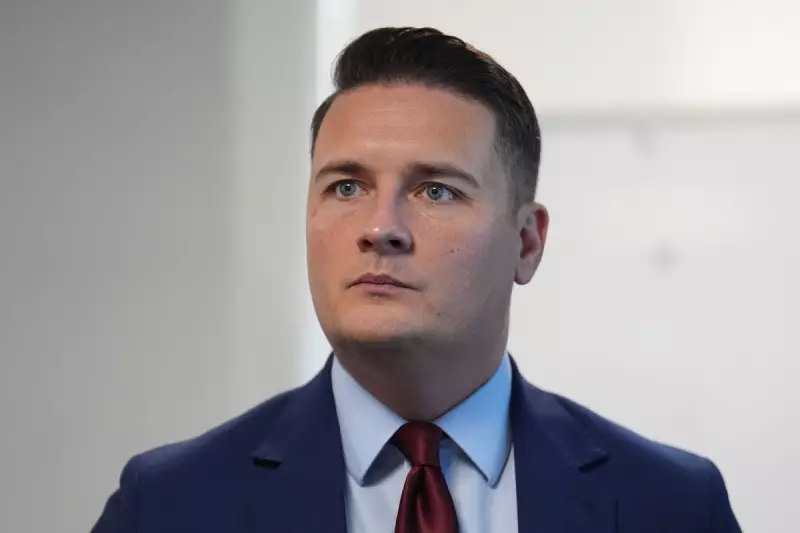
Health Secretary Wes Streeting has issued a stark warning that a severe cold snap sweeping the UK will intensify the already significant pressures facing the National Health Service this winter.
Freezing Weather Compounds Existing NHS Challenges
Amber snow warnings are active for northern Scotland from midday on Friday 2nd January 2026, with the severe weather forecast to move southeast into parts of England and Wales. Forecasters predict up to 2cm of snow in some areas, and as much as 5cm on higher ground.
Mr Streeting cautioned that the "bitingly cold snap" would add to the strain on hospitals, which are already contending with a wave of seasonal flu and ongoing industrial action by doctors. He made a direct appeal to the public to reserve Accident & Emergency departments for genuine, life-threatening emergencies only.

Mixed Picture on Winter Illness and NHS Performance
While acknowledging the immense challenges, the Health Secretary pointed to some positive signs. Hospital bed occupancy is currently lower than at the same time last year, and ambulance handover times are improving, which he attributed to the "Herculean efforts" of NHS staff and government investment.
However, wider demand remains exceptionally high. NHS 111 answered 87,318 calls last Saturday, 27th December, marking the second busiest day for the service in two years. Over the entire Christmas week, 414,562 calls were answered—nearly 24,000 more than the week before.
There is a silver lining regarding flu. The number of people hospitalised with flu in England has fallen for the second consecutive week. Daily averages dropped 13% from 3,061 to 2,676 in the week ending 28th December. This follows a peak of 3,140 in mid-December. Last winter's peak was significantly higher at 5,408 patients. Despite the overall drop, the number of flu patients in critical care beds rose slightly from 117 to 128.
Public Urged to Take Precautions and Use Services Wisely
Health experts warn that cold weather brings specific dangers. Data shows a rise in heart attacks, strokes, and respiratory illnesses during cold snaps, with older people and those with long-term conditions most vulnerable. Icy conditions also increase the risk of serious falls, leading to more A&E attendances.
Professor Meghana Pandit, NHS national medical director, echoed the Secretary of State's calls. She credited the drop in flu admissions partly to vaccination efforts, with over half a million more people vaccinated compared to last year. She urged the public to use NHS 111 online or by phone for non-emergencies and to ensure eligible individuals get their flu jab without delay.
Ruth Goss, a senior cardiac nurse at the British Heart Foundation, emphasised the particular risks for those with heart conditions. "Cold temperatures can increase the risk of heart attacks and strokes," she said, advising people to wrap up warm and get their free flu vaccination.
The latest NHS situation report showed some operational improvements. Delays in handing over ambulance patients to A&E teams are at their lowest this winter, with 18% waiting over 30 minutes, down from 22% the previous week.