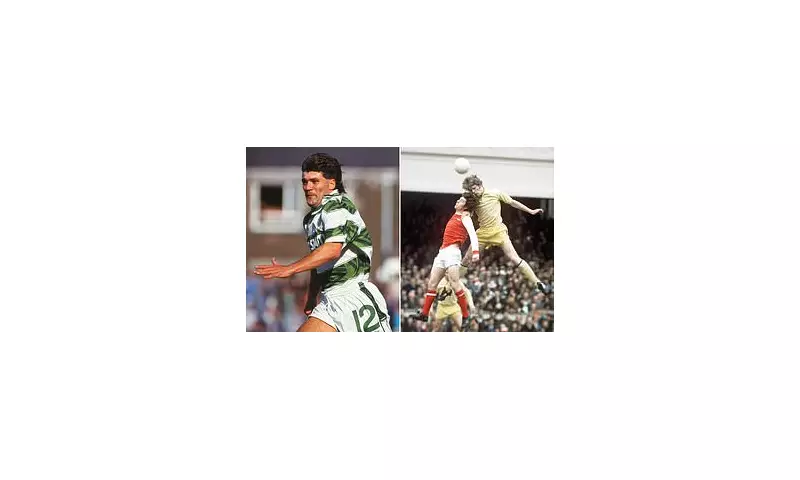
A major new scientific report has called for head injuries sustained during contact sports like football, rugby and boxing to be officially recognised as a cause of dementia. The study provides compelling evidence linking repetitive head impacts to chronic traumatic encephalopathy (CTE), a progressive brain condition that significantly raises dementia risk.
Groundbreaking Research on Brain Donors
The comprehensive report, published in the prestigious journal Alzheimer's & Dementia, examined 614 brain donors who had been exposed to repetitive head traumas, primarily contact sport athletes. Researchers discovered that brain donors with the most advanced form of CTE, showing no signs of other progressive brain diseases, were four times more likely to have dementia than those without the condition.
Professor Michael Alosco, neurology expert at Boston University and senior author of the study, stated: 'This study provides evidence of CTE being a possible cause of dementia. Establishing that cognitive symptoms and dementia are outcomes of CTE moves us closer to being able to accurately detect and diagnose CTE during life, which is urgently needed.'

Growing Legal Action and Recent Cases
The findings emerge amid increasing legal action against football authorities, with former players and their families claiming the sport failed to protect them from brain injuries caused by repeated impacts, including heading the ball. Yesterday, a coroner ruled that heading a football 'likely' contributed to the brain injury that was a factor in the death of former Scotland defender Gordon McQueen.
The coroner specifically stated: 'It is likely that repetitive head impacts sustained by heading the ball while playing football contributed to the CTE.' McQueen died aged 70 after a 16-year professional career, having been diagnosed with both vascular dementia and CTE.
High-Profile Football Cases
A string of high-profile footballers have been diagnosed with dementia before their deaths, including 1966 World Cup winner Nobby Stiles, Sir Bobby Charlton, Ray Wilson and Martin Peters. More recently, former Burnley striker Andy Peyton was diagnosed with young-onset dementia at just 57 after suffering persistent headaches and memory problems.
Peyton reportedly sought a brain scan after his former teammate Dean Windass received the same devastating diagnosis. These cases highlight how dementia linked to contact sports continues to affect players across generations.
Understanding CTE and Its Distinctive Pattern
CTE is marked by a distinctive build-up of toxic tau proteins in the brain, which form clumps known as plaques and tangles – similar to those observed in Alzheimer's disease, the most common cause of dementia. However, researchers emphasise that CTE has its own characteristic pattern of damage and can trigger a different clinical picture, meaning many cases are missed or mistaken for other conditions.
Early symptoms may include subtle changes in mood, personality and behaviour, before progressing to more obvious short-term memory loss, confusion and difficulties with planning and organising daily activities. Some patients can also develop problems with movement and coordination as the condition advances.
Misdiagnosis Concerns
The study revealed alarming rates of misdiagnosis for dementia linked to CTE. Among 186 donors who had received a dementia diagnosis while alive, 40 per cent were told they had Alzheimer's disease – despite there being no evidence of Alzheimer's at autopsy. Another 38 per cent had been told the cause of their dementia was 'unknown' or could not be specified by medical professionals.
Professor Alosco added: 'There is a viewpoint out there that CTE is a benign brain disease; this is the opposite of the experience of most patients and families. Evidence from this study shows CTE has a significant impact on people's lives, and now we need to accelerate efforts to distinguish CTE from Alzheimer's disease and other causes of dementia during life.'

Symptom Development Timeline
Symptoms of CTE-related dementia tend to develop gradually, often appearing around a decade after years of repeated head impacts from contact sports. This delayed onset makes diagnosis particularly challenging and underscores the importance of recognising the connection between sports injuries and later cognitive decline.
The research team emphasised that better diagnostic tools and increased awareness among medical professionals are urgently needed to identify CTE accurately during patients' lifetimes, rather than relying on post-mortem examinations.