Surgeon Cleared of Antisemitism Accuses GMC of Political Appeal
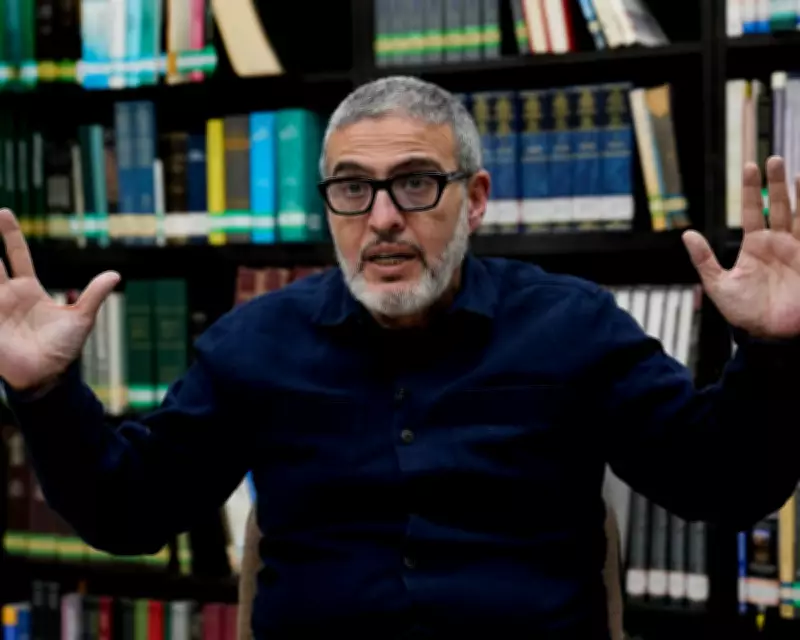
Dr Ghassan Abu-Sittah, a prominent surgeon and rector of the University of Glasgow, has launched a scathing critique against the General Medical Council (GMC) after it announced plans to appeal a tribunal decision that cleared him of alleged antisemitism and support for terrorism. The surgeon, who previously provided testimony to the International Criminal Court regarding Israel's assault on Gaza, described the GMC's move as an attempt to secure a "politically acceptable" outcome, following a two-year period of what he termed "continuous harassment."
Background of the Case and Tribunal Ruling
The allegations against Dr Abu-Sittah stemmed from a newspaper article he authored for a Lebanese publication and two social media posts on X, formerly known as Twitter. These were brought to light after a complaint by the lobby group UK Lawyers for Israel (UKLFI). In January, the Medical Practitioners Tribunal Service (MPTS) thoroughly examined the evidence and dismissed all misconduct claims. Ian Comfort, the chair of the panel, emphasised that the tribunal did not selectively quote from the article but evaluated it in its entirety, finding no substantiation for antisemitism or support for terrorism or violence.
Similarly, the tweets referencing Hamas and the Popular Front for the Liberation of Palestine were assessed and deemed not to incite or endorse violent acts. Dr Abu-Sittah has consistently maintained his innocence, stating, "I do not, and have never, supported violence against civilians. The allegations made against me were rejected by the tribunal and, in my view, form part of a broader attempt to discredit my professional and humanitarian work."

GMC's Appeal and Financial Implications
Despite the clear ruling, the GMC has decided to exercise its right to appeal the decision to the High Court. This action has compelled Dr Abu-Sittah to initiate a crowdfunding campaign, aiming to raise £150,000 to cover legal expenses for his defence. He expressed frustration, noting that the MPTS's dismissal should have marked the end of a protracted ordeal. "When the MPTS rejected the allegations, I felt that a two-year period of continuous harassment and attempts to undermine my credibility, including my evidence before the ICC and ICJ, had finally come to an end," he remarked.
Dr Abu-Sittah accused the GMC of persisting until it achieves a verdict aligned with political pressures, highlighting the financial burden on fee-paying members. "The significant cost of pursuing this appeal, borne by fee-paying GMC members, raises serious questions about the degree of external political pressure being exerted on the regulator," he asserted. In response, a GMC spokesperson defended the appeal, stating it is undertaken with great care and detailed consideration, with a focus on public protection given the nature of the allegations.
Broader Context and Support
The case unfolds against a backdrop of potential regulatory changes, as the government has indicated intentions to revoke the GMC's appeal rights—a move the regulator's chief executive, Charlie Massey, acknowledged in a parliamentary committee earlier this year. A 2018 review had previously noted perceptions that the GMC effectively had "two opportunities to make its case," first before the MPTS and then through an appeal if dissatisfied with the outcome.
Dr Abu-Sittah reported receiving substantial support from various quarters, including Jewish colleagues, patients, and even Israeli co-workers, who submitted testimonials to the GMC tribunals. Meanwhile, UKLFI distanced itself from the GMC's appeal, clarifying that it has lodged a separate complaint with the Professional Standards Authority regarding the handling of the case and the MPTS decision, alleging that the GMC failed to present comprehensive evidence about Dr Abu-Sittah's conduct.
This controversy underscores ongoing tensions in professional regulation, political influences, and the challenges faced by individuals in high-profile humanitarian roles. As the appeal process advances, it continues to spark debate over fairness, accountability, and the intersection of healthcare with global political issues.