NYC's Deadly Cold Snap Claims Ten Lives, Exposing Shelter System Failures
At least ten people have perished in New York City since a brutal Arctic blast and significant snowfall descended upon the metropolis late last Friday. The mounting death toll has sparked intense scrutiny of the city's emergency preparedness and its capacity to protect its most vulnerable residents during extreme weather events.
Tragic Discoveries Across the Boroughs
The victims were discovered in various locations across the city, each case highlighting the lethal nature of the freezing conditions. One man was found beneath a layer of snow on a park bench in Queens, while another was located just steps from a Manhattan hospital entrance. A third victim was pronounced dead on the ground beneath an elevated train line in the Bronx.
While official causes of death remain under investigation by medical authorities, several victims displayed signs consistent with fatal hypothermia. City officials have indicated that multiple victims were believed to have been experiencing homelessness prior to their deaths.

Mayor's Response and Emergency Measures
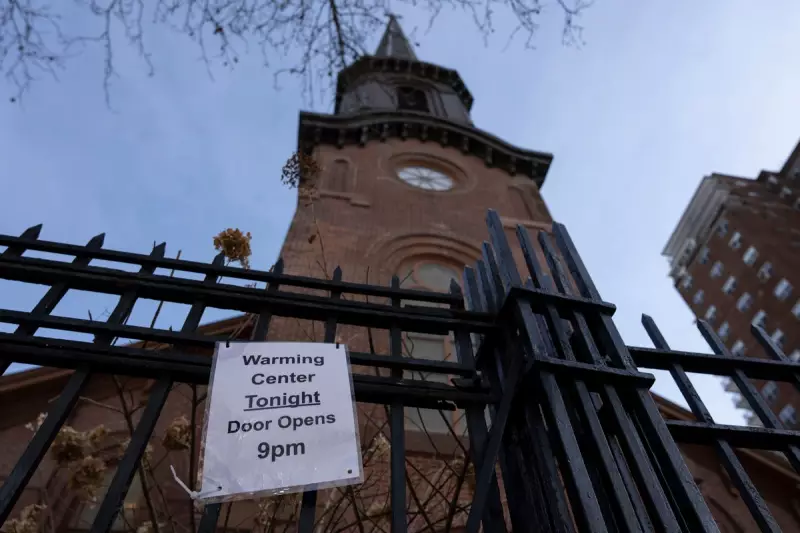
With temperatures plummeting to a bone-chilling 9 degrees Fahrenheit (minus 13 degrees Celsius) on Saturday, and continued frigid conditions forecast throughout the week, Mayor Zohran Mamdani has announced several emergency measures. The city is deploying additional homeless outreach teams, opening new warming centres, and instructing hospitals to limit discharges to prevent vulnerable individuals from being released into dangerous conditions.
"Extreme weather is not a personal failure, but it is a public responsibility," Mayor Mamdani stated on Tuesday. "We are mobilising every resource at our disposal to ensure that New Yorkers are brought indoors during this potentially lethal weather event."
Systemic Failures and Unanswered Questions
Despite these actions, the rising death toll has prompted serious questions about whether Mamdani's administration could have implemented more effective protective measures ahead of the Arctic blast and accompanying snowstorm that struck early Sunday.
A particularly troubling case involves a 52-year-old Queens man found on Sunday morning with hospital discharge papers in his pocket showing he had been released from Elmhurst Hospital, a city-run facility, on Friday. This release occurred after the city had already activated its Code Blue extreme weather protocols, which specifically include precautions to prevent homeless patients from being discharged onto the streets during dangerous conditions.
State Senator Jessica Ramos, who revealed details of this case, expressed profound concern. "It's devastating to know the government could have done more and didn't," she stated. "There are real questions here that demand answers." The man, originally from Ecuador, was discovered wearing only a thin jacket, with his body appearing frozen when police found him under snow on Sunday morning.
Advocates Highlight Shelter System Distrust
Homeless advocates have expressed particular alarm at the scale of fatalities occurring in such a brief period. David Giffen, Executive Director of the Coalition for the Homeless, emphasised that the problem extends beyond mere awareness of available shelters.
"The fact that this many people have passed away shows the city needs to do a much better job of making people feel safe when they come inside," Giffen explained. "It's not that most people on the streets are unaware of the shelter system, but that they've had experiences there that make them not want to return."
Outreach Efforts and Involuntary Interventions
In the days preceding the storm, city-contracted outreach teams canvassed all five boroughs, attempting to persuade vulnerable individuals to accept placements in shelters, transitional housing, or even heated buses. According to Social Services Commissioner Molly Wasow Park, at least 200 people have voluntarily accepted shelter since the storm began.
Commissioner Park also revealed that the city has moved to involuntarily hospitalise a small number of individuals deemed particularly at risk, including those who were wet, inappropriately dressed, or "unable to acknowledge that there are real dangers."

Historical Context and Ongoing Investigations
While studies indicate approximately fifteen cold-related deaths occur in New York City annually, advocates note they cannot recall another recent storm resulting in so many outdoor fatalities in such a concentrated timeframe. The city has yet to release the names of any storm-related victims, and inquiries to City Hall, the Department of Homeless Services, and the public hospital system regarding specific cases remain unanswered as investigations continue.
As the cold persists, the tragic loss of ten lives serves as a stark reminder of the deadly consequences when extreme weather intersects with systemic vulnerabilities in urban infrastructure and social support systems.