Three Remarkable Body Transformations After 16 Months of Sobriety
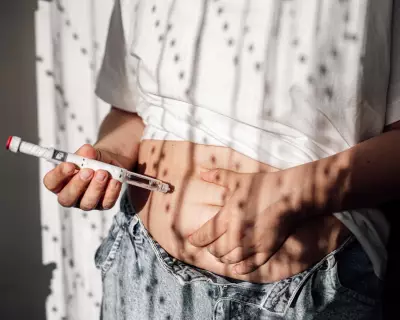
In late August 2024, I made the life-changing decision to eliminate alcohol from my life entirely. This choice stemmed from ongoing health issues that appeared to be exacerbated by drinking, prompting me to take a definitive break. Within a few weeks, I had shed half a stone in weight and received a formal medical diagnosis: ulcerative colitis. This chronic inflammatory bowel disease causes inflammation and ulcers in the large intestine and rectum, leading to debilitating symptoms including severe stomach cramps, profound exhaustion, unexplained weight loss, and bloody diarrhoea.
I quickly observed that my symptoms intensified considerably whenever I consumed alcohol, particularly the agonising stomach cramps. Reflecting on this pattern, I recognised that alcohol likely acted as a trigger for flare-ups in my condition. Consequently, I resolved to abstain from drinking indefinitely, or at least until I felt confident my body could tolerate it again.
It has now been just under sixteen months since my last alcoholic drink. Honestly, most of the time I do not miss it at all. There have been occasional moments—like wanting a glass of fizz at Christmas or a red wine by a cosy cabin fire—but generally, I barely notice the absence of alcohol. Let me be clear: I do not judge anyone who chooses to drink. When enjoyed responsibly, alcohol can provide genuine pleasure, relaxation, and sociability. However, since embarking on this sobriety journey, I have witnessed three profound and undeniable changes in my body.

1. A Significant Reduction in Anxiety
As someone who has struggled with anxiety for years, I am the type of person who rehearses conversations to avoid misspeaking. I never previously connected my drinking habits to my anxious feelings. Following social gatherings where I had a few drinks, I would often wake up consumed by anxiety, worrying I had embarrassed myself. Since giving up alcohol, I now wake up most mornings without that familiar, anxious "hangover" feeling.
While alcohol initially induced a sense of calm, those effects were always temporary, often leaving me feeling more anxious than before. According to experts at Drinkaware, alcohol and anxiety frequently fuel each other in a destructive "vicious cycle." Alcohol acts as a depressant, slowing brain function and the central nervous system, which can create an initial feeling of relaxation. However, as these effects wear off, anxiety often returns—sometimes more intensely—prompting some individuals to drink again to manage those feelings.
Drinkaware further explains that regular heavy drinking can condition the central nervous system to alcohol's suppressing effects. If alcohol levels then drop suddenly, the brain can react by triggering a 'fight or flight' response, mirroring the symptoms of an anxiety disorder.
2. Noticeably Healthier and More Radiant Skin
My skin has improved dramatically since I stopped drinking. While I still experience occasional spots and dry patches, especially in colder weather, my overall complexion appears healthier, more radiant, and less lacklustre. I maintain a rigorous skincare routine involving hyaluronic acid, PDRN, niacinamide, eye serums, creams, and moisturisers, but I no longer battle facial puffiness or dull skin.
Drinkaware notes that alcohol is a diuretic, causing the skin to lose vital fluids and nutrients. This can lead to skin appearing wrinkled, dull, grey, bloated, or puffy. Dehydrated skin also becomes more susceptible to conditions like eczema. Dr Anatalia Moore of Dr Anatalia Aesthetics elaborates that alcohol accelerates water loss from the body, leading to dehydration that significantly impacts skin appearance the following day.
On her website, Dr Moore states: "Dehydrated skin looks lacklustre with lines and wrinkles appearing worsened, tone looking sallow and dull, and under eyes can look more sunken. Dehydrated skin is more unstable and prone to inflammation." In response to this dryness, the skin may overproduce oils, contributing to acne flare-ups in prone individuals. Additionally, alcohol converts to sugar in the body, triggering hormone releases that can further promote oil production.

3. Dramatically Improved Sleep Quality
Achieving a decent night's sleep was a real struggle when I drank alcohol. Booze created a misleading impression of rest—I would fall asleep quickly but wake up feeling absolutely dreadful. This occurs because alcohol disrupts REM sleep, the crucial phase linked to memory consolidation and emotional processing. As explained by the Sleep Foundation, this disruption leaves individuals exhausted and unable to concentrate properly the next day.
Nowadays, I have no trouble sleeping, largely thanks to eliminating alcohol. Given that my health condition can leave me feeling utterly drained, removing alcohol has allowed me to focus on obtaining genuinely restorative, high-quality sleep each night.
The Unexpected Reward of Sobriety
There is one aspect of abstaining from alcohol that nobody warns you about: it becomes strangely compelling. Living without booze has proven more rewarding than I ever anticipated. While my medical issues and overall wellbeing provide strong motivation to remain teetotal, I have recently discovered an even more powerful driving force: my own sense of personal achievement. I feel genuinely proud of myself for giving up drinking, and each passing milestone strengthens my resolve further.
I am committed to maintaining sobriety for as long as it benefits me. With every new landmark reached, I have come to realise I have virtually no inclination to consume alcohol ever again. This journey has revealed that the benefits extend far beyond managing a medical condition—it has fostered a profound transformation in both body and mind.