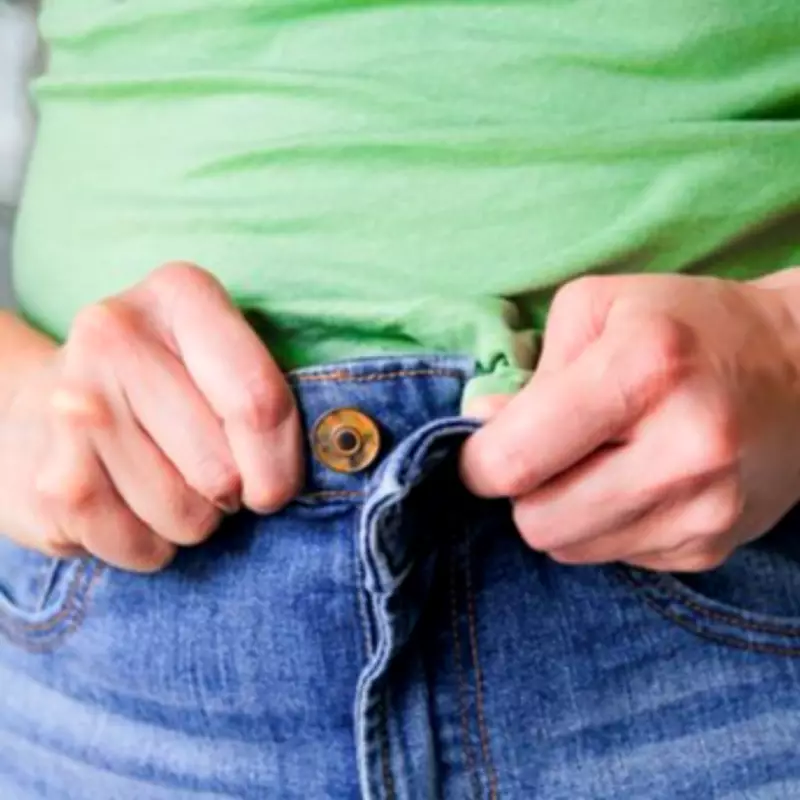
Tightening Clothes Could Signal Chronic Lymphoedema Requiring Urgent Treatment
Clothes, watches, and jewellery suddenly feeling tighter could be a warning sign of a chronic disease affecting over 200,000 people across the United Kingdom. Lymphoedema, a lifelong condition with no cure, often goes undiagnosed for years due to low public awareness and understanding of its symptoms.
Recognising the Lesser-Known Symptoms
While swelling in the arms, legs, or other body parts is the most recognisable symptom of lymphoedema, the condition manifests through various other indicators that might seem unrelated at first glance. According to NHS guidance, these include:
- Repeated skin infections that become frequent and troublesome
- Development of hard, tight, or noticeably thickened skin in affected areas
- Wart-like growths emerging unexpectedly on the skin's surface
- Fluid leaking through the skin, creating persistent moisture
The Lymphoedema Support Network emphasises that these symptoms may initially appear mild or intermittent, with swelling potentially worsening during daytime hours or in warm weather before easing overnight. Experts stress that early intervention during this phase can often resolve swelling through simple measures.

The Progression of Untreated Lymphoedema
When lymphoedema remains untreated, the swelling becomes increasingly permanent, failing to subside overnight as tissues harden and solidify. Many patients first notice something is wrong when their clothing and accessories feel unexpectedly constricting, followed by movement limitations and sensations of aching or heaviness in affected limbs.
This progressive condition originates from malfunctions in the lymphatic system - the network of vessels and glands responsible for transporting lymph fluid throughout the body to combat infections and drain excess tissue fluid. When this system fails, fluid accumulates, causing the characteristic swelling.
Primary Versus Secondary Lymphoedema
Medical professionals distinguish between two main types of lymphoedema. Primary lymphoedema results from genetic factors and typically emerges during infancy or adolescence. Secondary lymphoedema develops later in life due to damage to the lymphatic system from various causes including:
- Serious infections that compromise lymphatic function
- Physical injuries that disrupt normal fluid drainage
- Reduced limb movement from various medical conditions
- Cancer treatments that inadvertently damage lymphatic pathways
The Lymphoedema Support Network warns that without proper management, the condition can lead to severe physical deformity, significant disability, and potentially life-threatening complications. The visible nature of the swelling also frequently contributes to psychological distress among sufferers.
Management Strategies and Treatment Approaches
Although lymphoedema has no cure, multiple management approaches can significantly improve quality of life. Treatment protocols typically include:
- Compression garments designed to apply consistent pressure and reduce swelling
- Meticulous skin care routines to prevent infections in vulnerable areas
- Emphasis on regular movement and exercise to encourage fluid drainage
- Specialist massage techniques that manually stimulate lymph fluid movement
March 6th marks Lymphoedema Awareness Day, highlighting the importance of early recognition and intervention for this chronic condition. Medical professionals urge anyone experiencing unexplained swelling or sudden clothing tightness to seek medical evaluation, as timely diagnosis remains crucial for effective symptom management.