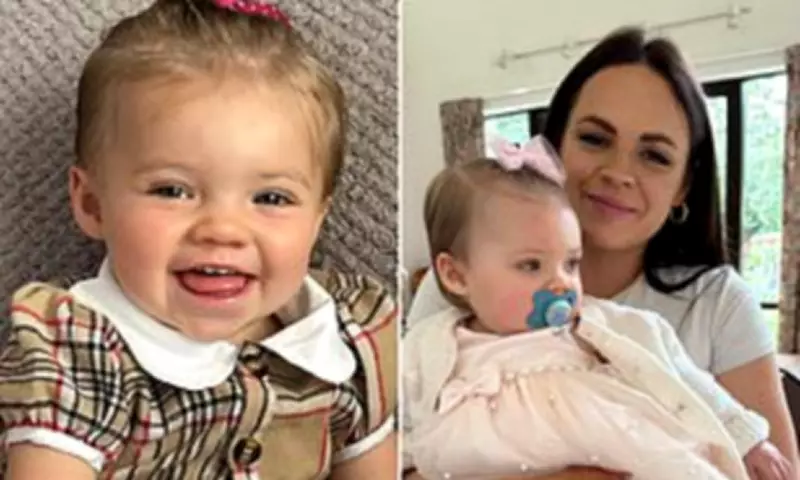
A grieving mother from Southampton has spoken out after her 18-month-old daughter died from a cardiac arrest triggered by a common respiratory virus, despite her repeated warnings to medical professionals about the child's deteriorating condition. Jaqueline Manley, 30, says her concerns about her daughter Connie's laboured breathing were consistently dismissed by doctors who assured her there was 'nothing wrong' with the toddler.
Repeated Dismissals of Maternal Concerns
Ms Manley regularly took Connie to doctors due to persistent breathing difficulties, but medical staff attributed her symptoms to laryngomalacia, a common infant condition where floppy tissue from the vocal chords collapses inwards, causing wheezing. She was repeatedly told this condition wasn't concerning and that Connie's oxygen levels were 'absolutely fine'.
'Connie was always the one out of my three children to pick up a bug,' Ms Manley recalled. 'She was ill from birth, but she never got diagnosed with anything, my concerns were never taken seriously. She would get ill once a month, and when she was ill she would just lie there looking so limp and poorly.'

The Final Medical Journey
In July 2024, Connie's GP detected dangerously low oxygen levels and recommended immediate hospital admission. At hospital, doctors diagnosed Respiratory Syncytial Virus (RSV), a common respiratory virus that infects the nose, throat and lungs, and sent her home with a three-day course of antibiotics.
Despite Ms Manley's protests and questioning of this decision, medical staff insisted Connie was fine enough to return home. Within hours, Connie's condition worsened dramatically, prompting her mother to call emergency services.
Hospitalisation and Tragic Outcome
Back in hospital, Connie's condition continued to deteriorate. 'I was fighting with doctors to make them see how poorly she was but no one was listening to me, it was awful,' Ms Manley said. On her third hospital day, despite Connie appearing blue and freezing cold, a nurse assured Ms Manley her daughter was 'absolutely fine'.
Moments later, Connie suffered a cardiac arrest. She passed away in August 2024, with her death report stating she died from significant brain injury due to hypoxic cardiac arrest, where the heart stops due to lack of oxygen, caused by RSV.
Medical Analysis and Aftermath
Doctors later suggested the likely reason for Connie's cardiac arrest was a mucus blockage, possibly related to nebuliser treatment she was receiving in hospital. The death report confirmed Connie had low blood pressure readings that should have indicated a brewing cardiac arrest.
'How could she be in hospital and them not have a clue?' Ms Manley questioned. 'I just don't have any answers, it's just horrible, you wouldn't think something like this would happen in this day and age.'
Understanding RSV Risks
RSV is an extremely common virus that infects almost all children before they reach two years old. While typically causing mild cold-like symptoms, it can lead to serious complications including:
- Bronchiolitis (chest infection causing breathing problems)
- Pneumonia in infants and older adults
- In rare cases, fatal outcomes like Connie's
The virus poses particular risks for infants and those over 65, with symptoms including wheezing, fever and breathing difficulties that may require hospital treatment.
A Mother's Plea and Institutional Response
Ms Manley has issued a heartfelt plea to other parents: 'I urge mothers to trust your guts, a mother's instinct is always right, just because you have a doctor stood next to you doesn't mean they're right at all.'
Describing Connie as 'the loveliest and happiest little girl' who is deeply missed by her family, Ms Manley continues to seek answers about why her daughter wasn't properly treated.
Dr Natalie Borman, acting chief medical officer at Portsmouth Hospitals University NHS Trust, responded: 'Following Connie's death, we followed our usual process of carrying out a thorough review to identify any areas of improvement. This included reinforcing with our teams the importance of consistently recording concerns raised by family members.'

The Trust stated they display information to support family members raising concerns about patient care and are committed to 'listening and learning from our patients and their loved ones to continue improving the way we provide safe, compassionate care.'