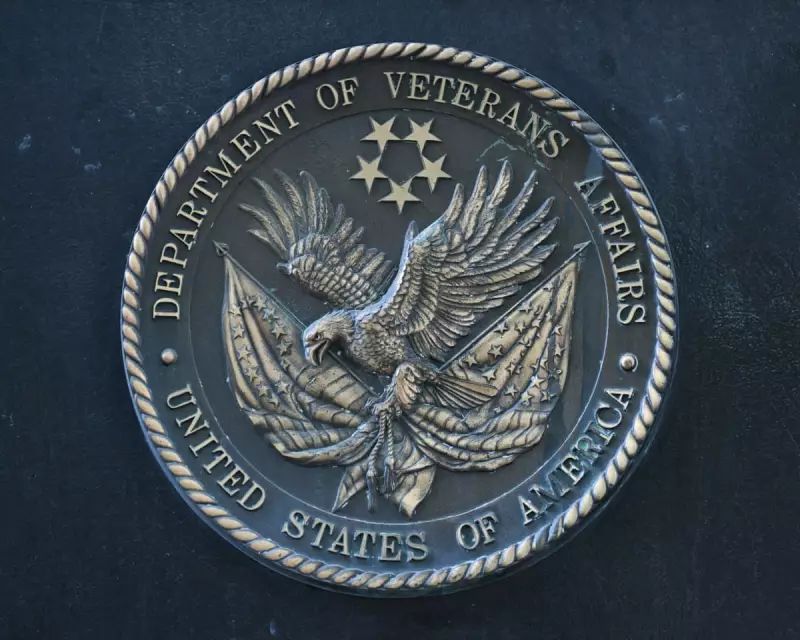
The administration of US President Donald Trump has moved decisively to block access to abortion services for American veterans, reversing a policy established just over a year ago. The Department of Veterans Affairs (VA) confirmed the immediate halt to providing abortions or abortion counselling in its medical facilities, even in cases of rape, incest, or when the veteran's life is at risk.
Reversal of 2024 Policy and Legal Justification
This action directly overturns a rule change implemented by the VA in September 2024. That earlier policy, enacted after the Supreme Court's Dobbs decision overturned Roe v Wade, allowed the VA to offer abortion services in the limited circumstances now being prohibited. A senior VA official, speaking on condition of anonymity, stated the decision was made to align VA practices with a strict interpretation of existing federal law.
The legal foundation cited is a statute from 1992, which the administration argues prohibits the VA from providing abortion services under any conditions. The official explicitly stated that the VA "does not have statutory authority to provide abortions or abortion counselling," marking a definitive shift from the previous interpretation under President Joe Biden's administration.

Immediate Impact on Veteran Healthcare
The consequences for veterans are immediate and significant. The VA is the largest integrated healthcare system in the United States, serving millions of former service members. Under the new directive, VA doctors and staff are barred from performing abortions or offering counselling on the procedure. Veterans seeking such care will now be forced to seek it outside the VA system, potentially facing substantial financial, geographical, and logistical barriers.
This change is particularly impactful for veterans living in states that have enacted near-total bans on abortion since 2022. For them, the VA had become a critical, and sometimes the only, federal pathway to access this care. The policy shift effectively cuts off that avenue, even for those who became pregnant as a result of rape or whose health is endangered by the pregnancy.
Political Reactions and Future Challenges
The decision has ignited fierce political debate. Democratic lawmakers and veterans' advocacy groups have condemned the move as a cruel betrayal of those who served. They argue it denies essential healthcare to veterans, particularly women, and represents a politically motivated intrusion into personal medical decisions.
Conversely, social conservatives and anti-abortion groups have applauded the administration's action as a correction of an overreach and a proper adherence to the law. The issue is now poised to become a focal point in the ongoing national battle over reproductive rights. Legal challenges are anticipated, and the policy's fate may ultimately hinge on the results of future congressional and presidential elections, which could see it reversed once more.
For now, the directive stands, creating a stark new reality for America's veterans seeking reproductive healthcare through the system designed to serve them.