Dental Crisis Looms as UK's Elderly Keep More Natural Teeth
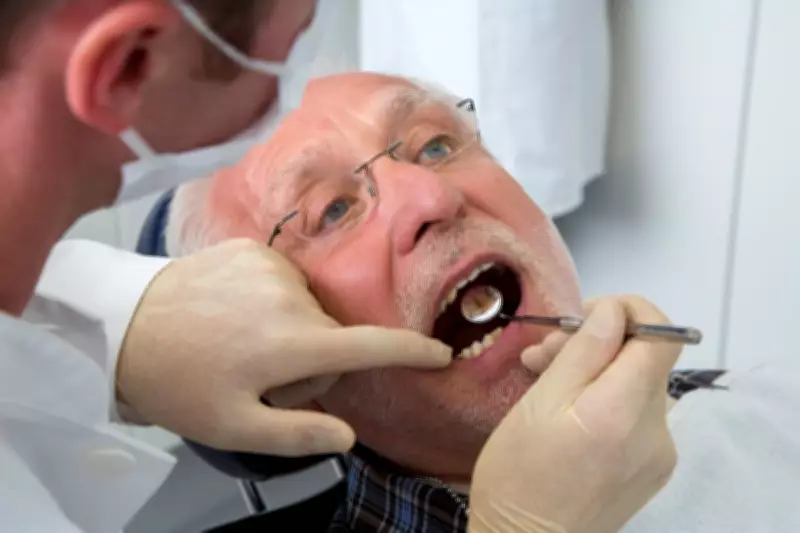
A significant transformation in the dental health of older Britons is poised to create substantial challenges for dental professionals across the United Kingdom. According to a comprehensive new report from the Association of Dental Groups (ADG), the landscape of oral healthcare is undergoing profound changes that will strain existing resources.
The Dramatic Decline in Tooth Loss
In the 1970s, over a quarter (28%) of individuals aged 75 and above had lost all their natural teeth, a condition known as edentulism. Today, that figure has plummeted to just 11%, representing a remarkable improvement in dental health among the elderly population. This increased retention of natural teeth means that the majority of people over 65 now maintain some or all of their original teeth, which frequently require complex restorative work as they age.
The ADG, representing approximately 10,000 dental professionals, notes that this trend has led to a "decreased massively" in the number of elderly patients requiring complete sets of dentures. While full dentures offer advantages like ease of cleaning and immunity to cavities due to their removable nature, they are becoming less common as natural teeth are preserved for longer periods.

Complex Dental Needs on the Rise
"While full denture use has decreased, many elderly patients now have partial dentures, implants or complex restorations," the ADG report explains. These dental solutions require ongoing maintenance and can be affected by medications commonly taken by older adults, including blood thinners and bisphosphonates.
The report warns of a potential "dentistry silver tsunami" as cases become increasingly complex with advancing age. Glen Taylor, chief dental officer for Community Dental Services, emphasized: "As more older adults retain their natural teeth, maintaining good oral hygiene becomes more challenging, as the complexity of their dental need increases."
Tomorrow's Elderly Present Additional Challenges
The ADG cautioned that dental professionals could face a "massive increase" in demand from "tomorrow's elderly" – people currently in their 30s, 40s and 50s who are undergoing cosmetic dental procedures, including so-called "Turkey teeth" obtained through dental tourism abroad.
ADG executive chairman Neil Carmichael stated: "The ADG's future of dentistry report predicts a massive increase in the demand for dental treatments by those who are in their 30s and 40s now who are currently having cosmetic dentistry and implants. Some are going abroad for these cosmetic dental treatments – for so-called 'Turkey teeth' – where the quality of the work cannot always be guaranteed."
Taylor added: "Looking ahead, the next generation of older adults — those currently in their 30s to 60s — will present even greater challenges. Many will have implants and cosmetic dentistry that require lifelong maintenance and are vulnerable to the effects of medications or the impact of medical interventions and dementia-related illnesses."
Workforce Shortages and Government Response
The report highlights a "massive gap" in the dental workforce and calls for urgent action to reverse this trend to ensure patient access to care. Carmichael warned: "Today, oral healthcare provision is already stretched with gaps in the workforce, tomorrow this will become even more acute."
Health minister Stephen Kinnock, speaking at the report's launch event, outlined the government's response: "We will deliver an NHS dentistry system that is fair and accessible, one that provides more readily accessible, good quality care – including better prevention – to those most in need. We have been taking urgent action to rebuild NHS dentistry now, while laying strong foundations for the future."
Kinnock added: "The NHS dentistry workforce is our greatest asset. As part of our 10 year health plan, we have also announced that newly qualified dentists will be required to practise in the NHS after they graduate. That will mean more NHS dentists, more NHS appointments and better oral health."

The ADG report concludes that dentistry in the UK faces multiple "tectonic plate shifts," including demographic changes that will see more elderly people requiring complex dental care alongside a reduction in the young workforce available to provide that care. The organization calls for collaboration across healthcare professions to address these mounting challenges before they overwhelm the system.