UK Faces Critical Drug Shortages for Cancer and Stroke Treatments
The United Kingdom is confronting a significant healthcare challenge as nearly 400 essential medicines have been identified as being at risk of shortages, with cancer and stroke drugs among the most critical. NHS England has compiled a list of 378 medicines that currently have either no supplier or only a single supplier, raising serious concerns about the continuity of care for patients across the nation.
High-Risk Medications and Patient Impact
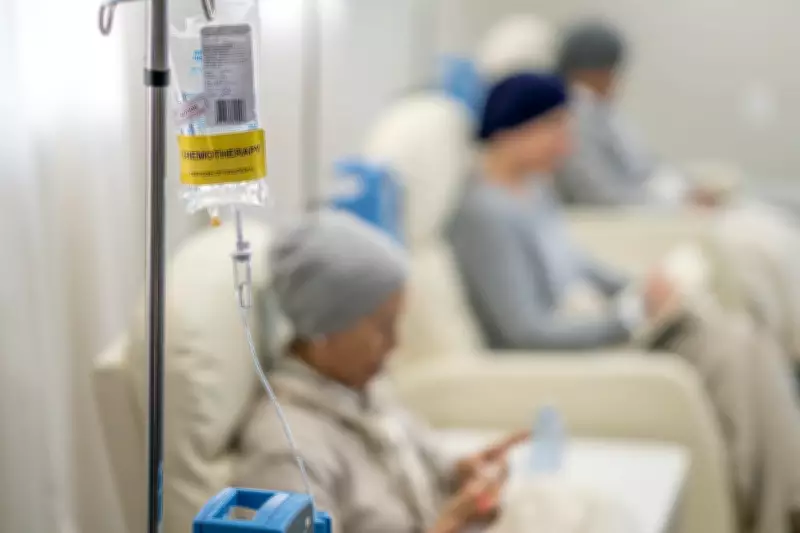
The list includes a range of vital treatments, such as chemotherapy drugs used in cancer therapy, blood clot medications essential for stroke prevention and management, and antipsychotic drugs for conditions like schizophrenia. This precarious situation could force healthcare professionals to seek alternative treatments for patients, potentially disrupting established care plans and leading to suboptimal outcomes.
Medicines UK has issued a stark warning that if demand for these drugs outstrips the available supply, it could result in higher prices for the NHS and patients alike. The organisation emphasises that such shortages not only affect patient health but also place additional strain on an already overburdened healthcare system, requiring doctors to navigate complex and time-consuming alternatives.

Project Revival: A Strategic Response
These 'critical' medicines were identified through Project Revival, a collaborative initiative launched by NHS England, Medicines UK, and the Medicines and Healthcare Products Regulatory Agency (MHRA). This scheme aims to address the root causes of drug shortages by incentivising manufacturers to supply commercially unviable but medically essential drugs.
Key measures under Project Revival include offering financial and operational incentives to pharmaceutical companies, fast-tracking licence approvals to expedite the availability of these medications, and guaranteeing supply approval to provide certainty for manufacturers. A pilot programme is currently running for 12 months to test the effectiveness of these strategies in stabilising the supply chain for high-risk drugs.
Broader Implications for Healthcare
The identification of nearly 400 at-risk medicines highlights systemic vulnerabilities in the UK's pharmaceutical supply chain. Factors such as global manufacturing issues, regulatory hurdles, and economic pressures on drug production contribute to these shortages, underscoring the need for robust, long-term solutions beyond immediate interventions.
Patients relying on these medications, particularly those with life-threatening conditions like cancer or those at risk of strokes, face uncertainty and potential delays in treatment. Healthcare providers are urged to monitor stock levels closely and develop contingency plans to mitigate the impact of any disruptions, ensuring that patient care remains a top priority amidst these challenges.