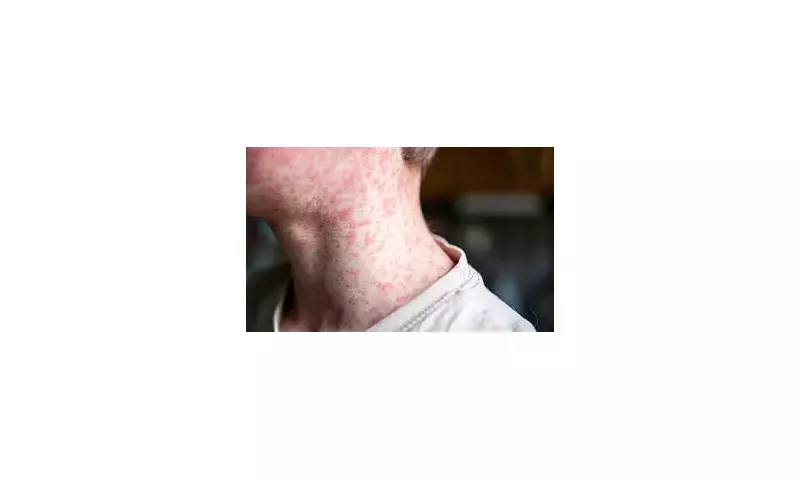
The United Kingdom has been stripped of its hard-won measles elimination status by the World Health Organisation, marking a significant setback in the nation's public health efforts. This decision follows a dramatic and sustained surge in cases throughout 2024 and into 2025, driven by dangerously low vaccination rates.
A Status Lost and a Warning Issued
The global health body confirmed that measles transmission has been 're-established' in the UK. This follows the worst measles outbreak on record in 2024, with 3,681 confirmed cases. More than 1,000 infections have already been recorded in 2025, part of a wider record-high surge across Europe.
Elimination status is granted when there is no continuous, endemic transmission of a disease for at least 12 months. The UK first achieved this status in 2017, lost it in 2019, and regained it in 2021—largely due to Covid restrictions halting spread. However, circulation resumed in late 2023, triggering the current crisis.

The Root Cause: Falling Vaccine Uptake
Health officials state the revocation directly reflects a dangerous erosion of herd immunity. Vaccine uptake has slipped below the critical 95% threshold required to prevent sustained outbreaks.
- First dose MMR coverage stands at around 92%.
- Second dose coverage is just under 85%.
Dr Vanessa Saliba, consultant epidemiologist at the UK Health Security Agency, issued a stark warning: 'Infections can return quickly when childhood vaccine uptake falls. Measles elimination is only possible if all eligible children receive two MMR doses before school and older children and adults who missed vaccination must be caught up.'
Symptoms, Risks, and the NHS Response
Measles typically begins with cold-like symptoms: a fever, cough, and a runny or blocked nose. A few days later, small white spots may appear inside the mouth, followed by the disease's distinctive rash.
The illness is far from trivial. One in five infected children requires hospitalisation, with around one in 15 developing severe complications like meningitis or sepsis. The virus can be deadly if it spreads to the lungs or brain.
In response, the NHS is urging families to come forward and is offering the second MMR dose earlier, moving it to a new 18-month appointment to boost protection.
A Wider European Problem
A WHO spokesperson indicated the UK's situation is part of a broader regional challenge. 'Outbreaks of measles and other vaccine-preventable diseases are threats to health security in Europe,' they said, citing persistent immunity gaps that led to a region-wide resurgence in 2024.
The spokesperson added that through strengthened surveillance and efforts to reach under-vaccinated communities, 'all countries can achieve and sustain elimination.'
The Legacy of Vaccine Hesitancy
The MMR vaccine has been offered in the UK since the late 1980s. However, uptake collapsed after the now thoroughly discredited 1998 study by Andrew Wakefield falsely linked the jab to autism. This claim spawned widespread fear, leading tens of thousands of parents to refuse the vaccine for their children.
The echoes of this misinformation persist. Earlier this year, Robert F. Kennedy Jr, a prominent figure in anti-vaccine circles, vowed to 'look at vaccines.' Yet, by April, amid a major US measles surge, he performed a notable about-face, stating the MMR jab was the 'most effective way' to prevent the virus.
The loss of elimination status serves as a sobering reminder of the fragility of public health gains and the continuous need for robust, well-communicated vaccination programmes.