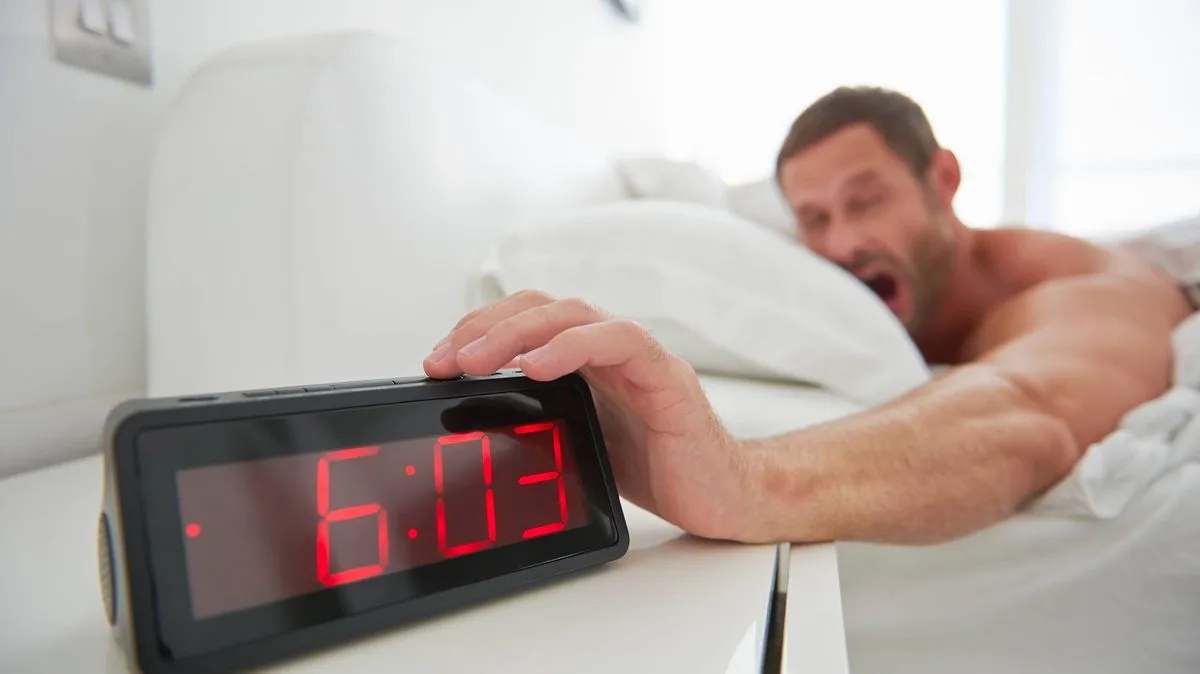
A comprehensive new survey has uncovered a significant sleep deficit among adults in the United Kingdom, with the average person managing only six hours of rest per night. This falls well below the official NHS guidelines, which recommend between seven and nine hours of sleep for optimal health and wellbeing.
The Scale of the Sleep Shortfall
The research, which involved 4,000 adults across the UK, indicates a weekly sleep deficit exceeding eight hours per person. This alarming shortfall is equivalent to missing an entire night's sleep every single week, highlighting a pervasive public health concern.
Disturbingly, one in four Britons survives on a mere five hours of sleep nightly, while 44% of respondents describe themselves as 'sleep deprived.' Among individuals living with diagnosed health conditions, this figure rises sharply to 54%, underscoring the compounded challenges faced by those managing chronic illnesses.
Health Impacts and Consequences
The consequences of inadequate sleep are severe and multifaceted. For those experiencing a fortnight or more of poor sleep, 10% report weight gain, 24% feel overwhelmed by small tasks, and 23% note a detrimental impact on their mental health.
Adults with diagnosed health conditions suffer even more serious effects. Nearly one in five (18%) find their symptoms worsen, 21% fall ill more easily, and 24% experience impaired memory function.
Dr David Garley, a sleep expert, explains the physiological toll: "One disturbed night can be enough to throw the body off balance. If poor sleep accumulates, it heightens emotional reactivity, reduces resilience, and leaves the mind and body struggling to cope. It lowers pain thresholds, disrupts repair pathways, and affects emotional regulation—risks heightened for those with chronic pain or mental health conditions."
Root Causes and Ineffective Solutions
The leading causes of sleep difficulties identified in the survey include nocturnal bathroom visits (45%), stress or anxiety (40%), and poor sleep routines (22%). Those who wake during the night do so twice on average, with the period between 2am and 3am being the most common time for disturbance.

Many individuals have turned to various 'sleep hacks' in desperation, including sleep sprays, natural sleeping pills, and changing mattresses or pillows. However, these measures often prove ineffective, with 16% admitting to resorting to alcohol as a sleep aid—a practice that can further disrupt sleep architecture.
Medical Cannabis and Sleep Improvement
The survey was commissioned by Curaleaf Clinic, the UK's first medical cannabis clinic, to raise awareness about sleep disruption's impact, particularly among those with chronic conditions. Notably, 28% of individuals with health conditions stated they would do "anything" for a good night's rest.
Dr Simon Erridge, research director at the clinic, comments: "Poor sleep is a daily struggle for too many people, and for those living with long-term health conditions, the impact can be especially severe. Lack of rest doesn't just leave people tired—it can worsen symptoms, reduce emotional resilience, and make everyday life much harder to manage."
Emerging evidence suggests that some patients prescribed medical cannabis report improvements in sleep quality. Tom Evans, a patient at Curaleaf Clinic with ADHD, shares his experience: "For years, poor sleep was just part of life. My medication helped with focus but made it even harder to sleep, and most nights I'd wake up three or four times. Sleep playlists and white noise only got me so far." He reports sleeping through the night since starting medical cannabis treatment.
Dr Erridge adds: "Emerging evidence shows that some patients prescribed medical cannabis report improvements in sleep quality, helping to break the cycle of disrupted rest and declining wellbeing."
A Growing Public Health Concern
This research illuminates a critical public health issue extending beyond mere tiredness. The widespread sleep deficit represents a significant burden on individual health, workplace productivity, and healthcare systems. With nearly half the population identifying as sleep deprived, addressing this crisis requires greater awareness, improved sleep hygiene education, and potentially innovative therapeutic approaches for those most severely affected.