New projections from the Stroke Association have issued a stark warning that strokes in the United Kingdom could surge by almost 42% unless urgent preventative action is taken. The charity estimates that by 2035, the nation could witness over 151,000 strokes annually, equating to a staggering 414 people every single day. This represents a sharp escalation from current figures of approximately 280 strokes daily, or 106,565 each year.
Are Strokes Truly Preventable?
In light of these alarming statistics, we consulted Alexis Kolodziej, Deputy CEO and Executive Director of Influencing and Research at the Stroke Association, to outline practical steps individuals can take. "Some members of the public think that strokes are an inevitable consequence of older age, but that's absolutely not the case," Kolodziej emphasises. According to the Stroke Association's own data, a remarkable nine in ten strokes are considered preventable through proactive measures.
"If you take action on blood pressure, follow healthy living advice and make sure that heart conditions are picked up and monitored, all these things can have a significant positive impact on your stroke risk," Kolodziej explains. While age remains the primary uncontrollable risk factor, with most strokes occurring in people over 70, the expert notes a concerning trend: "What we're seeing at the moment is that the rate of incidence is rising in younger people faster than it's rising in older people. So, we're seeing more strokes happen to people who are under the age of 55 and we think they are most likely to be due to factors around lifestyle."

Understanding the Critical Role of Blood Pressure
High blood pressure stands as a major risk factor, implicated in about half of all strokes. Kolodziej clarifies the mechanism: "High blood pressure puts more pressure on the arteries all over your body, but specifically in your brain, that can cause a bleed. A blood vessel rupturing causes a hemorrhagic stroke. Also, when your arteries and blood flow breaks down, it's more likely for clots to form. Then if they travel to the brain and block blood flow that causes an ischemic stroke that's caused by a clot."
Essential Steps to Reduce Your Stroke Risk
1. Check Your Blood Pressure Regularly
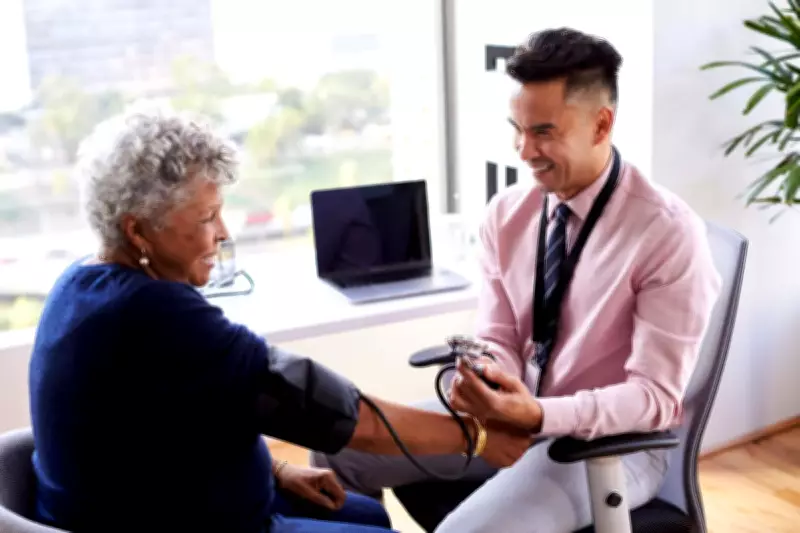
"It's never too early to start checking your blood pressure," advises Kolodziej. Options are widely accessible: you can get your blood pressure checked at a GP surgery, most pharmacies, and increasingly at supermarket machines. Home monitoring has also become more feasible with affordable, readily available devices. The NHS generally defines high blood pressure as a consistent, long-term reading of 140/90 mmHg or higher when measured by a healthcare professional.
2. Book an NHS Health Check
Kolodziej highlights the NHS Health Check as "one of the most effective initiatives in the UK to help reduce the incidence of a stroke." Individuals aged 40 to 74 without pre-existing conditions should be invited by their GP or local council for this check every five years. "During the NHS Health Check they check lots of different things that can increase your risk of lots of different health conditions, but a really important part of that is a blood pressure check," she notes. "If you get that invitation from a GP and you're over 40, you should absolutely go."
3. Stay Active with Manageable Exercise
"Exercise is important because it helps healthy blood flow, and if you have healthy blood flow, it keeps your arteries healthy and reduces the chance of clots and the risk of your arteries rupturing," Kolodziej explains. She dispels the myth that intense activity is necessary: "People often think, oh I must have to be super active to reduce my risk of stroke, but actually, that's not true. Even just going out and having a walk around the block or doing some gardening is really helpful in reducing your stroke risk."
4. Be Mindful of Your Salt Intake
"Salt is really bad for blood pressure, so it's important to be mindful of your salt intake," Kolodziej warns. She advises checking food packaging, utilising the traffic light system, and avoiding products marked red for salt. Processed foods often contain high levels, but salt can also be hidden in items like soups and cooked meats.

5. Quit Smoking
"Smoking is one of the worst things that you could do for your stroke risk, because the toxins that you're putting in your body clog up your arteries," Kolodziej states emphatically. The benefits of quitting are immediate and significant: "As soon as you quit, your stroke risk starts to reduce, and within five years of quitting, you can reduce your stroke risk significantly. So even if you have been a smoker for years, it's never too late to quit."
6. Avoid Binge Drinking and Recreational Drugs
Kolodziej advises adhering to recommended alcohol limits, noting that binge drinking poses a greater risk than moderate, occasional consumption. Furthermore, she cautions that "pretty much all recreational drugs raise your risk of a stroke, so try to avoid them."
7. Monitor Heart Conditions Like Atrial Fibrillation
Atrial Fibrillation (AF), a heart rhythm disorder, can increase stroke risk fivefold. The challenge, as Kolodziej points out, is that "often it doesn't have symptoms." She recommends manual pulse checks, referencing an instructional video on the Stroke Association website, and suggests requesting a pulse check during GP visits. "If you are diagnosed with AF, you should be offered an oral anticoagulant which is a daily medication that stops blood clots and that significantly reduces the risk of stroke," she concludes.
By adopting these evidence-based strategies, individuals across the UK can take meaningful control of their cardiovascular health and contribute to reversing the projected rise in stroke cases.