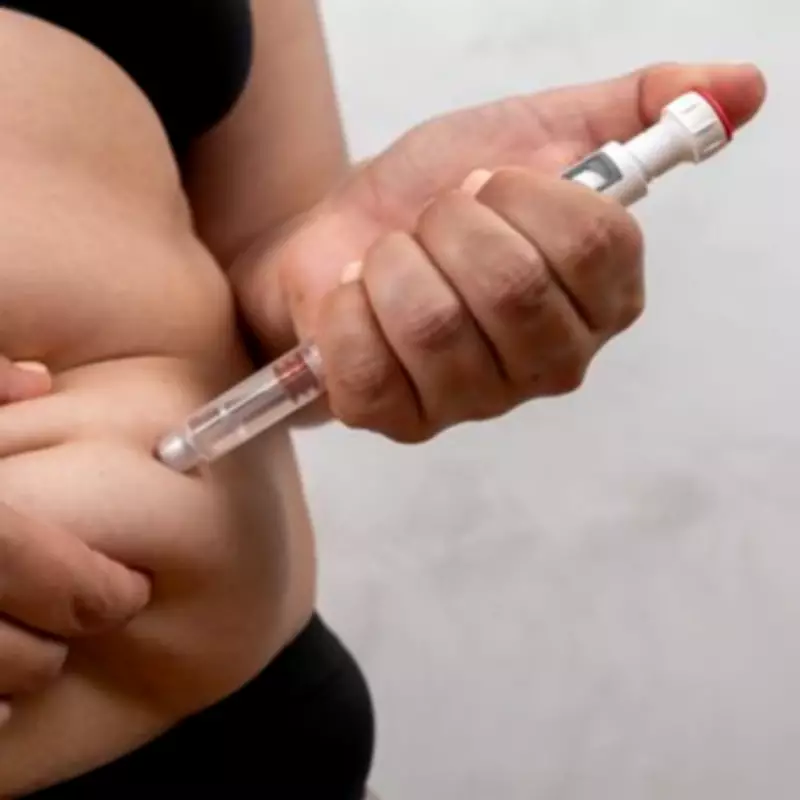
Weight Loss Injections Linked to Significant Increase in Gallbladder Removal Operations
Leading surgeons have raised serious concerns about a potential connection between popular weight loss injections and a sharp rise in gallbladder removal operations across the National Health Service. The medical professionals are calling for immediate research to investigate whether medications like Wegovy and Mounjaro are contributing to this worrying trend.
Surgeon Observations and Statistical Evidence
Consultant surgeon Ahmed Ahmed, who serves as president of the British Obesity and Metabolic Specialist Society, has reported that "more and more" of his patients requiring gallbladder removal operations have disclosed using weight loss injections. This anecdotal evidence aligns with concerning NHS statistics showing that England recorded 80,196 gallbladder operations during the 2024-25 period.
This figure represents a substantial 15% increase compared to the previous year and marks the highest number of such procedures in a decade. The correlation between these statistics and the growing popularity of weight loss medications has prompted medical professionals to question whether there might be a causative relationship.

Understanding the Potential Connection
Mr Ahmed explained the complexity of determining causality to the BBC: "We don't know whether it's the injections that are causing the gallstones, or is it because the injections are causing rapid weight loss, which then in turn causes the gallstones? Clearly this area needs further research to find out if it's causative or not."
Gallstones, which are hardened deposits of digestive fluid that form in the gallbladder, represent a known potential side effect of GLP-1 injections like those used for weight management. Medical experts note that several factors can contribute to gallstone formation including:
- Rapid weight loss
- Diets low in fibre and high in fat
- Obesity itself
Medical Community Observations
James Hewes, a Bristol-based consultant surgeon specialising in obesity and bariatric surgery, has corroborated these observations, telling the BBC: "Anecdotally, we are seeing more patients presenting with gallstones. Often it is difficult to know if that's related to the injection, or whether they had them originally but weren't assessed properly beforehand."
The weight loss injections in question, including Ozempic, Wegovy and Mounjaro, function by mimicking a hormone called glucagon-like peptide 1 (GLP-1) which regulates hunger and feelings of fullness. These weekly injections slow digestion and reduce appetite, with an estimated 1.6 million Britons using GLP-1 medications last year alone.
Pharmaceutical Company Responses and Known Side Effects
Eli Lilly, the manufacturer of Mounjaro, has confirmed that their patient information leaflet explicitly warns that gallstones represent a common side effect when the drug is used for weight management, potentially affecting up to one in ten people. The company noted that gallbladder issues are less common when these medications are used for type 2 diabetes management, potentially impacting approximately one in a hundred patients.
Novo Nordisk, which produces Wegovy, emphasised that GLP-1 drugs represent "a well-established class of medicines" that have undergone rigorous clinical trials, adding that "patient safety is of the utmost importance." The company disclosed that acute gallstone disease was reported in 1.6% of patients during clinical trials of semaglutide, with 0.6% of patients developing cholecystitis (inflammation of the gallbladder).
A spokesperson for Novo Nordisk stated: "For this reason, acute gallstone disease is listed as a 'common' potential adverse reaction for Wegovy in the product's UK SMPC and should be considered when patients are being evaluated for this medicine."

Current NHS Prescribing Practices and Patient Considerations
The NHS currently prescribes both Mounjaro and Wegovy specifically for weight loss management, while Ozempic remains approved only for diabetes treatment. These medications commonly cause various side effects including vomiting and typically require personalised support from medical specialists to ensure weight loss is maintained effectively and safely.
As the popularity of these weight loss injections continues to grow, medical professionals stress the importance of proper patient assessment and monitoring. The emerging pattern of increased gallbladder operations among users highlights the need for both patients and healthcare providers to remain vigilant about potential risks while benefiting from these effective weight management tools.