Weight Loss Jabs Prescribed More to Women and Affluent Groups, Study Finds
New research has uncovered significant disparities in who is accessing weight loss injections through private prescriptions. An analysis of over 113,000 patients reveals that nearly 80 percent of private prescriptions for GLP-1 drugs like Mounjaro and Wegovy are issued to women, with the highest uptake among individuals aged 30 to 49.
Demographic and Socioeconomic Patterns in Prescription Data
The study, conducted by The Health Foundation in collaboration with online weight management provider Voy, examined private prescriptions from November 2024 to October 2025. Researchers collected data on age, sex, BMI, and socioeconomic background, painting a detailed picture of usage trends.
Key findings include:

- Almost 80% of prescriptions are for women, indicating a strong gender bias in access.
- Prescription rates peak among men and women aged 30 to 49, then decline sharply after age 60.
- People in the most deprived regions are approximately one-third less likely to receive these jabs compared to those in the least deprived areas, despite obesity being twice as common in deprived communities.
Delayed Treatment and Health Risks in Deprived Areas
The research highlights concerning delays in treatment for individuals from disadvantaged backgrounds. Among 30 to 49-year-olds in the most deprived areas, around 45 percent began treatment with a BMI of 35 or above, compared to only 30 percent in the least deprived areas. This suggests that people in poorer regions are accessing weight loss drugs later, potentially putting their health at greater risk in the interim.
Samantha Field, senior fellow in prevention at The Health Foundation and co-author of the study, emphasized the implications: "The groups bearing the greatest burden of obesity are seeking GLP-1 treatments less frequently, and often at higher BMIs. The NHS should be taking these findings into account as the rollout of these medications progresses, to ensure they are reaching the people who are most in need of them."
Cost Barriers and Study Limitations
The study acknowledges limitations, noting that it relies solely on data from Voy, a single provider with specific pricing and support structures. Voy charges between £144 and £324 per month depending on the medication type and dose, which may influence accessibility. Researchers suggest that the high monthly cost could lead to higher discontinuation rates among people in less affluent areas, exacerbating health inequalities.
Field added a broader perspective: "Ensuring fair public provision is essential, but these medications address a problem that is preventable. It's more important than ever that government retains focus on making the changes to our food environment that will prevent obesity occurring in the first place."
NHS Rollout and Access Challenges
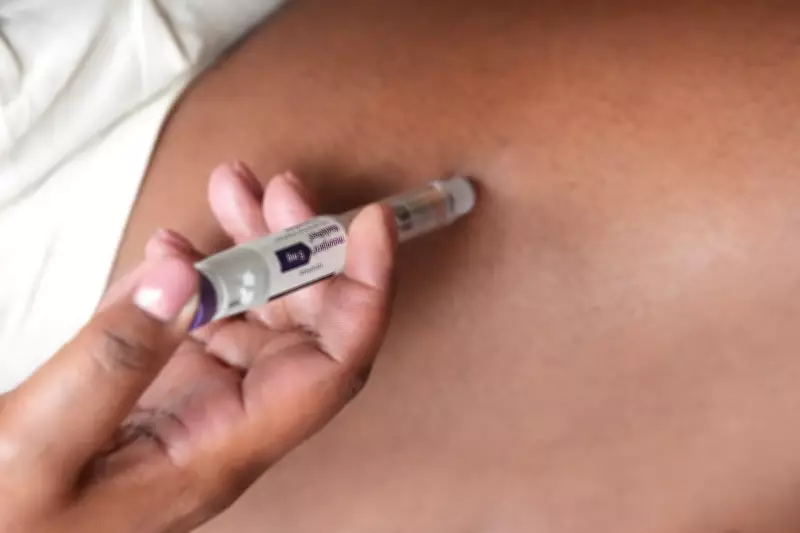
Weight-loss injections, known as GLP-1 receptor agonists, mimic natural hormones to regulate blood sugar, appetite, and digestion. On the NHS, access is restricted to patients with a BMI of 40 or more, while private providers often offer them to those with a BMI over 30.
NHS England has implemented a phased rollout of Mounjaro over up to 12 years, but current data indicates that even eligible patients often cannot obtain the drug through public channels. In the first three years of the rollout, only 220,000 patients have been prioritised, meaning the majority of Mounjaro users pay privately.
An NHS spokesperson commented: "The NHS is rightly prioritising the rollout of weight-loss drugs for those in the greatest clinical need and is exploring ways to accelerate the offering so that eligible people can benefit from safe and effective treatment wherever they live in England. The NHS also offers a wide range of other support for people to lose weight, which has helped tens of thousands of people achieve a healthier weight and wider lifestyle benefits."
The GLP-1 drug semaglutide (Wegovy) is also available on the NHS for individuals with weight-related health issues and a high BMI. However, the slow rollout and high costs continue to pose significant barriers to equitable access, underscoring the need for policy adjustments to address these disparities.