Weight Loss Injection Prescriptions Reveal Stark Gender and Socioeconomic Divide
New research has uncovered significant disparities in who is accessing weight loss medications through private prescriptions, with women and middle-income individuals dominating usage while deprived communities face substantial barriers.
Gender Imbalance in Weight Loss Treatment
An analysis of private prescriptions for drugs such as Mounjaro reveals that almost 80 percent of users are women, according to research conducted by the Health Foundation in collaboration with online weight management provider Voy. The study examined 113,630 patient prescriptions between November 2024 and October 2025, providing unprecedented insight into the demographics of those seeking pharmaceutical weight management solutions.
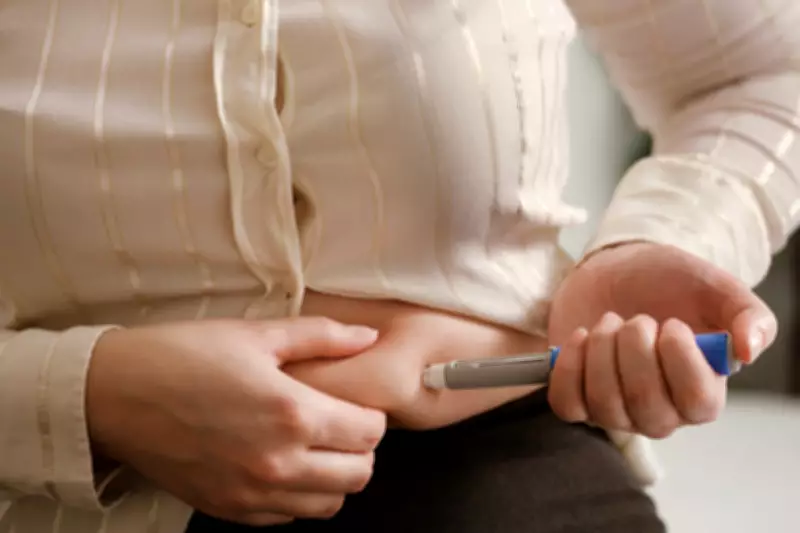
The medications, known as glucagon-like peptide-1 receptor agonists (GLP-1s), work by mimicking a natural hormone released after eating, helping individuals feel fuller and reducing appetite. Despite their effectiveness, access appears heavily skewed toward specific population groups.

Deprivation Creates Treatment Barriers
The research revealed that people living in the most deprived regions of the UK were approximately one-third less likely to obtain weight loss jabs compared to those in the least deprived areas. This disparity exists despite the fact that deprived regions typically have far higher obesity levels and could potentially benefit more substantially from these pharmaceutical interventions.
"The groups bearing the greatest burden of obesity are seeking GLP-1 treatments less frequently, and often at higher BMIs," said Samantha Field, senior fellow in prevention at the Health Foundation and co-author of the research. "The NHS should be taking these findings into account as the rollout of these medications progresses, to ensure they are reaching the people who are most in need of them."
Delayed Treatment in Deprived Areas
The study found concerning patterns in when different demographic groups begin treatment. Among 30 to 49-year-olds in the most deprived areas, around 45 percent started treatment with a body mass index (BMI) of 35 or above, compared with approximately 30 percent in the least deprived areas.
This suggests that individuals in more deprived communities tend to initiate treatment at higher weight levels, potentially putting their health at greater risk while waiting to access medication. The Health Foundation noted that this delay in treatment represents a significant health inequality that needs addressing.
NHS Rollout Limitations and Private Market Dominance
NHS England has implemented a phased rollout of Mounjaro over a period of up to 12 years, but current data indicates that even eligible patients cannot consistently access the drug through public healthcare. In the first three years of the 12-year rollout, approximately 220,000 patients have been prioritised, meaning the vast majority of Mounjaro users pay for it privately.
Eligibility criteria for NHS prescriptions during the first year included patients with a BMI over 40 alongside complicating illnesses such as high blood pressure, obstructive sleep apnoea, cardiovascular disease, and type 2 diabetes. NHS England previously estimated that if all eligible patients (thought to exceed three million) sought the drug in the first year, with 70 percent beginning treatment, the impact on primary care would be profound, consuming approximately 18 percent of GP appointments.
Age Distribution and Treatment Patterns
The research identified that uptake of weight loss injections is highest among both men and women aged 30 to 49, with usage falling sharply after age 60. This age distribution pattern suggests that middle-aged adults are most actively seeking pharmaceutical weight management solutions, potentially reflecting both health concerns and financial capacity to access private treatment.
Calls for Systemic Change
Health experts emphasize that while ensuring fair public provision of weight loss medications is essential, these drugs address a problem that is fundamentally preventable. "It's more important than ever that government retains focus on making the changes to our food environment that will prevent obesity occurring in the first place," Field added.

Dr David Huang, director of clinical innovation at Voy, commented on the collaboration: "We're pleased to have collaborated with the Health Foundation on this analysis to help improve transparency of health inequality in the UK. By providing real-world patient insights we can bring greater visibility and awareness to the barriers within the UK's health system, and ultimately inform measurable steps to address the obesity crisis."
An NHS spokesperson responded to the findings: "The NHS is rightly prioritising the rollout of weight-loss drugs for those in the greatest clinical need and is exploring ways to accelerate the offering so that eligible people can benefit from safe and effective treatment wherever they live in England. The NHS also offers a wide range of other support for people to lose weight, which has helped tens of thousands of people achieve a healthier weight and wider lifestyle benefits."
The research highlights the complex intersection of gender, socioeconomic status, and healthcare access in the UK's approach to obesity management, raising important questions about equity in emerging medical treatments.