Widow Credits Counselling After Husband's Brain Cancer Death Following Deja Vu Symptoms
A lawyer whose husband died just ten months after a sudden brain cancer diagnosis has spoken about how professional counselling provided crucial support in helping her rebuild her life following his devastating loss.
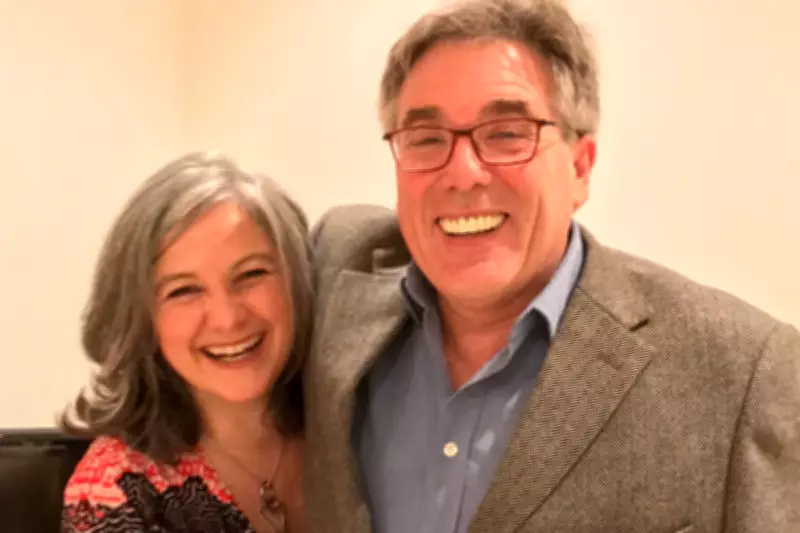
Helen Taylor, 57, from Chichester in West Sussex, described how her husband Nick Taylor began experiencing unusual symptoms in the summer of 2018 that would ultimately lead to a terminal diagnosis. The previously healthy 62-year-old started suffering from persistent episodes of deja vu and began losing his sense of direction, prompting medical investigation.
Sudden Diagnosis and Terminal Prognosis
Following a scan in July 2018, the couple received the devastating news that Nick had glioblastoma, an aggressive and fast-growing type of brain tumour. Medical professionals informed them from the outset that the prognosis was terminal, with average life expectancy estimated at approximately one year.

"It came totally out of the blue," Helen explained. "The hardest thing for both of us was the complete lack of hope. We were utterly devastated to learn the prognosis was terminal from the very beginning."
Nick underwent surgery just over a week after diagnosis, followed by radiotherapy treatment. He had a second surgical procedure in January 2019 as the cancer progressed aggressively despite medical intervention.
Rapid Deterioration and Final Months
The couple made the decision to marry on just 24 hours' notice in August 2018, surrounded by loved ones, determined to celebrate their relationship despite the challenging circumstances. Helen described their wedding as "completely joyous" during what would become their final months together.
Throughout his treatment, which caused significant side effects including drowsiness, sight loss and memory problems, Helen noted that Nick "remained himself" with his characteristic sense of humour "undimmed" by his deteriorating health.
By May 2019, just ten months after his initial diagnosis, Nick's condition had worsened significantly. The couple sought support from St Wilfrid's Hospice in Chichester, where Nick died aged 62 after ten days in their care.
Navigating Complex Grief
Helen described experiencing what she called a "tsunami of emotions" following her husband's death, with overwhelming waves of grief that felt both primal and isolating. She explained that the intensity of her emotions could shift dramatically within minutes, moving from laughter to profound sorrow without warning.
"Overnight, my world had fallen apart," Helen said. "Our lives together had been a riot of love, friendship, laughter and fun. With Nick's death, I lost 'my person', our future together, our shared history, memories and in-jokes - our everything."
Just before Nick's death, Helen encountered a hospice counsellor who offered ongoing support. She began weekly sessions that continued throughout the following year, providing what she described as a "safe, non-judgmental space" to process her complex emotions.
Counselling as a Transformative Tool
Through counselling, Helen learned to accept that every emotion she experienced was valid and that she didn't need to feel guilty about her grief. She described the process as giving her "the freedom to let myself be whatever I needed to be" during her mourning period.
"I had a very physical need to talk - it was so physical I felt I was literally going to pop," Helen explained. "Grief is not a civilised emotion, it's primal, it's hugely raw. It feels quite violent and panic-inducing and just so, so powerful."
Over time, the counselling support helped Helen rebuild her life in practical ways. She moved to a new home by the sea, returned to work, pursued creative interests and watched her children flourish despite their loss.
Campaigning for Mental Health Support
Helen is now sharing her story as part of the British Association for Counselling and Psychotherapy's No More Stiff Upper Lip campaign, which aims to empower more women to access therapy during midlife. The campaign responds to research showing that many women over 50 struggle with mental health issues in silence.

"A problem shared is a problem halved," Helen said. "I think withdrawal in difficult circumstances is often an attractive option, but it is important to understand that this may not necessarily be a healthy option for the long term."
She described counselling as "one tool in the toolbox" of grief recovery, alongside maintaining routines, proper nutrition, sleep, exercise and social connections. Her experience has convinced her of the importance of seeking professional support during life's most challenging moments.
"Nick lost his life, and it's very important to me that I don't waste the life that I have," Helen concluded. "I think one of the best ways of honouring what we had is by going out and living, whatever form that takes, because otherwise that's two lives lost."