A grieving widow is spearheading a campaign for a major change in brain tumour care, following the death of her husband which she attributes to an inconsistent 'postcode lottery' within the NHS.
The Campaign for 'Owain's Law'
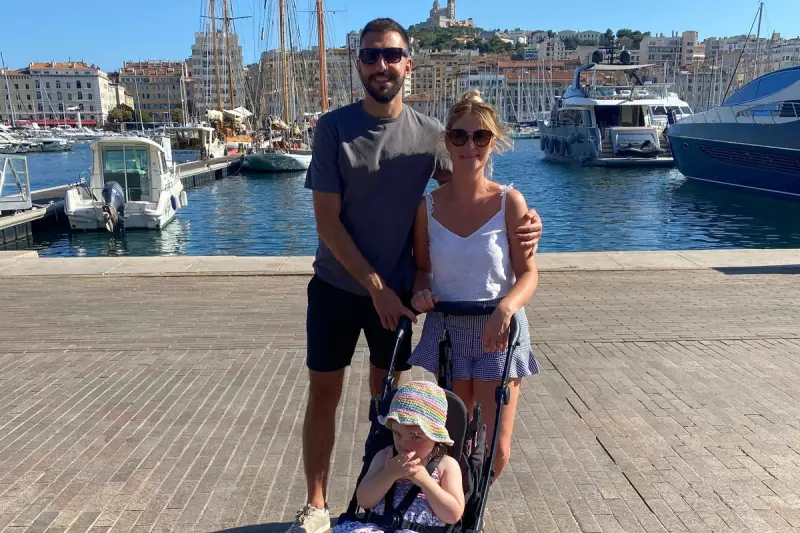
Ellie James is calling for new legislation, named 'Owain's Law' in memory of her husband, Owain, who died in 2024 from an aggressive type of brain cancer known as a glioblastoma. The proposed law seeks to establish a clear legal right for patients to have their tumour tissue frozen and stored after surgical removal.
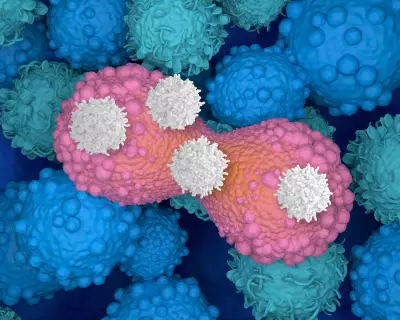
This preserved tissue is vital for enabling advanced genetic tests and creating bespoke, personalised treatments, such as cancer vaccines tailored to an individual's specific tumour. Mrs James's campaign highlights a critical gap in current care, where access to such life-extending options depends heavily on where a patient lives and the policies of their local NHS trust.

A Personal Tragedy Fuelling Change
The campaign is born from profound personal loss. Owain James's opportunity to receive a crucial personalised vaccine treatment was severely hampered because most of his tumour tissue was not frozen after surgery, rendering it unusable for the necessary analysis.
Ellie James firmly believes her husband would still be alive today if a law guaranteeing the preservation of tumour tissue had existed. She describes the current system as a damaging 'postcode lottery', where the chance to access cutting-edge treatments is not based on clinical need alone but on geographical luck and local hospital protocols.
Political Momentum and National Debate
The issue of patient consent and the storage of tumour tissue is now gaining political traction. It is scheduled for discussion in a dedicated Westminster Hall debate, putting the spotlight on the need for standardised, equitable care across the country.
This debate will be a crucial step in examining the legal and logistical frameworks required to implement 'Owain's Law'. Supporters argue that enshrining this right in law would remove inconsistencies, drive innovation in oncology, and ultimately give every brain tumour patient in the UK the same fighting chance.
The campaign underscores a growing demand within the NHS for more personalised medicine, particularly in complex cancer cases like glioblastoma, where standard treatments often have limited effect. By securing the biological material needed for research and therapy development, campaigners hope to transform outcomes for future patients.