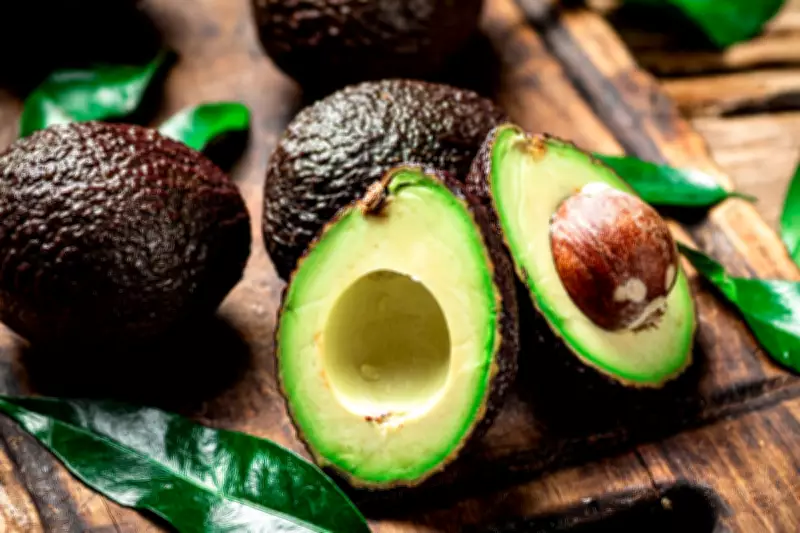
The Rise of Avocado Consumption in America
On average, American adults consume approximately 20 avocados, equivalent to 9 pounds of the fruit, each year. This represents a dramatic sixfold increase from 1998, highlighting a significant shift in dietary habits across the nation. The Super Bowl weekend alone drives a staggering demand, with Americans expected to devour nearly 280 million pounds of avocados, setting a historical record for consumption during this event.
Nutritional Powerhouse: What Makes Avocados Healthy?
One medium Hass avocado contains about 320 calories and 30 grams of heart-healthy monounsaturated fat. A typical serving is around 50 grams, or one-third of a medium fruit, but portion sizes can be flexible based on individual calorie needs. For instance, a person consuming 2,000 calories daily requires about 44 to 78 grams of total fat, allowing a whole avocado to fit into a balanced diet.
Monounsaturated fats in avocados help lower cholesterol, reducing the risk of heart disease. According to Dalina Soto, a registered dietitian based in Philadelphia, these fats also enhance the absorption of vitamins such as A, D, and folate through the gut and into the bloodstream.

Avocados are rich in fiber, with one fruit providing 14 grams—roughly half of the daily requirement. Soto explains that they offer both soluble fiber, which supports gut bacteria and blood sugar regulation, and insoluble fiber, which aids digestion and gut motility. This combination is crucial for overall gut and metabolic health.
Additionally, avocados deliver vitamin E, an antioxidant that boosts immune defense and skin resilience. They contain lutein, an eye-specific carotenoid that accumulates in eye tissues, potentially reducing the risk of age-related conditions like macular degeneration and cataracts, as noted by Tufts University research. Studies also suggest that daily avocado intake may improve working memory and attention in older adults, supporting brain health.
Weight Loss and Dietary Shifts
In 2021, a randomized controlled study found that families consuming 14 avocados per week, compared to three for a control group, reported fewer overall calories and improved diet quality over six months. Dr. Lorena Pacheco, the study's first author and a nutritional epidemiologist, attributes this to avocados' fiber content, which promotes fullness and reduces calorie intake without conscious effort.
However, the calorie reduction did not lead to weight loss in participants, possibly due to insufficient lifestyle changes or the study's limited timeframe. Pacheco notes that avocados often replace less healthy foods, such as mayonnaise on sandwiches, thereby reducing intake of sugar, refined carbs, or saturated fats. Replacing saturated fats with monounsaturated fats from avocados can lower heart disease risk by up to 21%, as shown in Pacheco's 2022 statistical estimates.
Environmental Concerns and Sustainability Efforts
Most avocados in the US are imported from Mexico, primarily from the state of Michoacán. Historically, avocado cultivation has contributed to illegal deforestation, affecting biodiversity and monarch butterfly habitats. Between 2018 and 2024, avocado orchard expansion led to approximately 49,400 acres of deforestation, an area comparable to a mid-sized city, according to Mexico's secretary of environment and natural resources, Alicia Bárcena Ibarra.
To address these issues, the Mexican government and the Association of Avocado Exporting Producers and Packers launched a deforestation-free certification program in 2024. This initiative tracks compliance with environmental laws and protects key biological areas, with third-party auditors ensuring governance. Kimin Cho, a PhD candidate at the University of Hawai’i at Mānoa, explains that this certification aims to curb new forest loss. As of January, Mexican avocados must meet deforestation-free criteria for export, marking a step toward more sustainable practices.
While not a complete solution, these efforts indicate progress in making avocado production more environmentally responsible, aligning with growing consumer awareness of ecological impacts.