Bacon Battle: Oven Triumphs as Crispiest & Cleanest Cooking Method
Bacon stands as one of the most versatile and beloved ingredients in British kitchens, capable of transforming everything from fluffy scrambled eggs and juicy burgers to rich quiches and loaded jacket potatoes. Even stacked atop pancakes, it creates that irresistible sweet-and-savoury contrast that has become a breakfast staple. Yet when it comes to cooking this culinary favourite, people typically divide into two distinct camps: those who crave perfectly crispy, evenly rendered rashers, and those who prefer their bacon with a bit more chew and texture.
As someone firmly in the crispy, well-rendered camp, I've experienced inconsistent results across different cooking approaches. My usual go-to method involves the air fryer, though occasionally I revert to the traditional frying pan when convenience dictates. Determined to settle this culinary debate definitively, I conducted a head-to-head comparison of three popular techniques: frying pan, oven, and air fryer. The goal was to identify which method delivers the ultimate bacon experience. Surprisingly, the winning technique not only produced superior results but also left virtually no mess behind, though it wasn't without its practical drawbacks.
Pan Frying: The Traditional Approach
Pan frying remains the default method for most home cooks, involving the straightforward process of cooking bacon rashers in a heated pan. For this test, I warmed a pan over moderate heat before laying out bacon strips in a single layer. You can typically accommodate around four rashers comfortably using this approach.

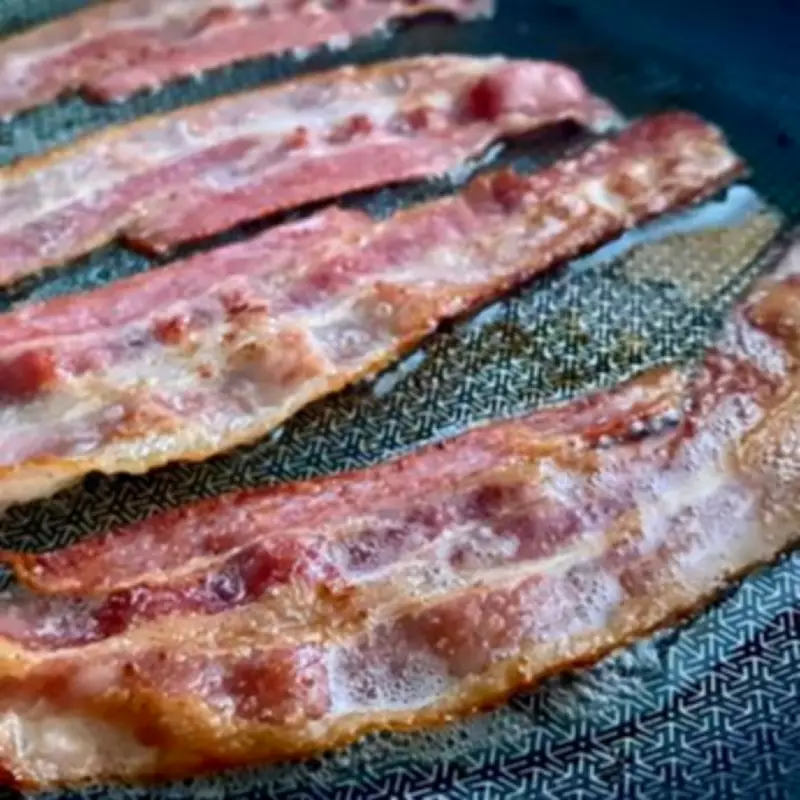
I cooked the bacon until it reached that perfect crispy state, which required approximately eight to ten minutes. Throughout the process, I turned the bacon regularly and adjusted the heat as necessary to prevent burning. This method proves ideal for those who prefer their bacon more on the chewy side rather than extremely crispy. While the bacon developed a hint of crispness, the overall crunch remained relatively modest compared to other techniques.
The significant drawbacks of pan frying became immediately apparent. I needed to add oil to prevent the bacon from sticking to the pan, which left the finished product excessively oily. Furthermore, this cooking method created considerable splatter across the hob, resulting in a messy cleanup operation that many home cooks would prefer to avoid.
Air Frying: The Modern Convenience
Cooking bacon in an air fryer offers the benefit of minimal supervision, though it involves certain trade-offs that might not suit every preference. I began by heating my air fryer to 180°C, then positioned three bacon rashers vertically in the air fryer basket – the maximum capacity for my particular model.
I cooked the bacon for approximately seven minutes, turning it over at the halfway point. This technique works particularly well for those who enjoy bacon with contrasting textures throughout each rasher. Certain sections will remain delightfully chewy, while others become completely rendered and crispy. Although this represents a decent cooking choice, it didn't emerge as my top pick among the three approaches tested.
The air fryer method provides reasonable results with less mess than pan frying, but it lacks the consistency and capacity that other methods offer for cooking larger quantities of bacon simultaneously.
Baking in the Oven: The Clear Winner
For the final test, I had only three rashers of bacon remaining, but this method proves absolutely brilliant for anyone cooking substantial quantities simultaneously. I began by heating the oven to 180°C Fan and laying the bacon on a lined baking tray. The bacon requires approximately twenty minutes to become golden and crispy, with rashers needing to be flipped halfway through the cooking process.
The oven method emerged as the definitive winner for achieving perfectly even, crispy bacon in large quantities. This became my preferred technique because it ticked every important box: completely hands-off cooking, flawlessly crispy results, and virtually no mess whatsoever. It's also one of the most straightforward techniques, proving that often the simplest, no-fuss approaches deliver the finest culinary outcomes.

The only notable downside to this method involves time commitment – cooking bacon in the oven requires approximately twice as long as the other two techniques. However, for those prioritising consistent results, minimal cleanup, and the ability to cook larger batches simultaneously, this trade-off seems more than reasonable. The oven method delivers bacon that's evenly cooked throughout, with that perfect balance of crispiness and flavour that bacon enthusiasts truly appreciate.