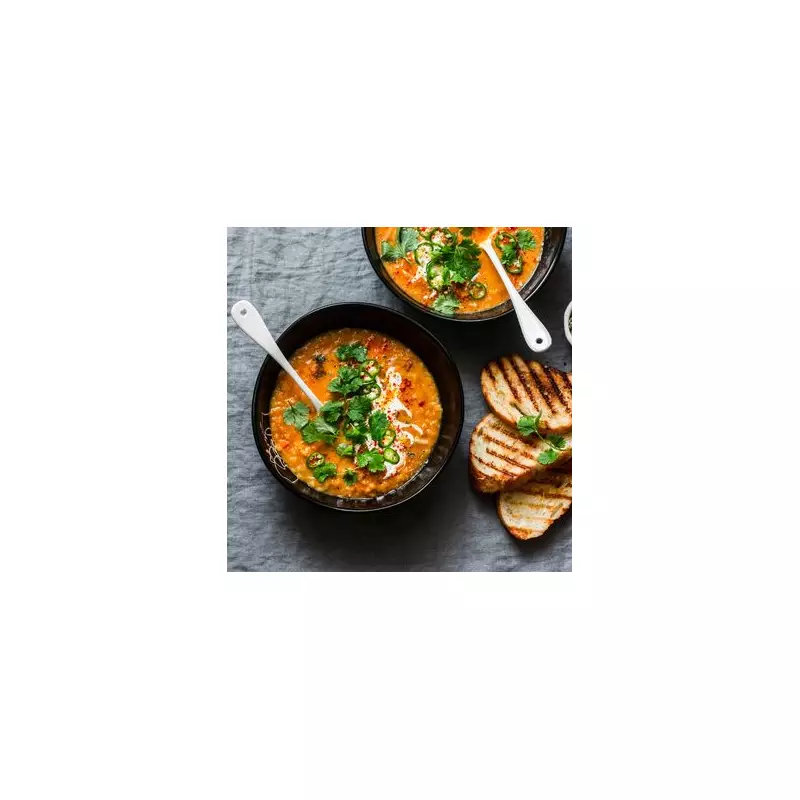
In the midst of an enduring cost of living crisis, households across the UK are actively seeking innovative methods to reduce their grocery expenditures and minimise food waste. A surprising culinary revelation from a prominent food content creator suggests that a commonly discarded kitchen scrap could hold the key to enhancing the flavour of everyday meals.
The Unexpected Kitchen Hero
Imran Ali, featured in a recent TikTok video from Channel 4 Served, has championed banana peels as an overlooked ingredient with significant potential. His demonstration highlights how these typically thrown-away items can be transformed into a delicious addition to various dishes, particularly curries.
"You've been flippin' throwing away your banana peels? You son of a gun. You can eat them!" Imran exclaimed in the viral clip, which has amassed over 165,900 views and thousands of engagements.

How to Prepare Banana Peels for Cooking
The preparation method is refreshingly straightforward. First, remove the stalk from the banana peel and use a spoon to scrape away the inner white flesh. Next, slice the remaining peel into small, uniform chunks approximately one to two centimetres thick.
Imran recommends adding these chopped banana peels to your curry base after cooking your aromatics and tomatoes, but before introducing any liquid components. This timing allows the peels to absorb the foundational flavours while contributing their own subtle notes during the simmering process.
Audience Reactions and Skepticism
The unconventional suggestion has sparked considerable discussion among viewers. One commenter, Samira, questioned: "I can't tell if this is real! Can someone confirm if they have eaten banana peel curry?"
Others expressed enthusiastic willingness to experiment. Jake responded: "All these negative comments, I'm trying this TONIGHT!!! You gotta be open to something new people."
Meanwhile, Vicky saw practical household applications: "I hate bananas, but I bet I'll love this! My daughters are banana mad, so we always have loads of peels! Gonna make it and not tell the kids until they've eaten it!"
Complete Banana Peel Curry Recipe
For those ready to embrace this sustainable cooking hack, here is Imran's detailed recipe to recreate banana peel curry at home.

Ingredients (Serves Two)
- Four large banana peels, cut into one-centimetre strips
- Four tbsp olive oil
- Pinch of cumin seeds
- Pinch of mustard seeds
- One medium red onion, finely diced
- Four garlic cloves, grated or minced
- One tsp ginger paste
- One green chilli, chopped
- One tomato, chopped
- Pinch of salt
- ½ tsp turmeric
- ½ tsp cumin powder
- ½ tsp curry powder
- ½ tsp coriander powder
- ½ tsp chilli powder or chilli flakes
- 250ml coconut milk
- Pinch of fresh coriander, chopped
Method
- Prepare the banana peels by scraping out the insides with a spoon and discarding them. Slice the peels into strips.
- Warm the olive oil in a pan over medium heat. Add the cumin seeds and mustard seeds, allowing them to sizzle briefly.
- Add the diced red onion and fry for several minutes until softened.
- Incorporate the garlic, ginger paste, and green chilli, cooking until the onion begins to colour.
- Add the chopped tomato and cook for a few more minutes.
- Season with salt, turmeric, cumin powder, curry powder, coriander powder, and chilli powder. Cook for approximately six minutes until the spices release their oils, adding a splash of water if needed to prevent sticking.
- Add the prepared banana peel strips and cook for a few minutes.
- Pour in a splash of water, stir well, then add the coconut milk. Cover with a lid and simmer gently for 12 to 15 minutes, stirring halfway, until the banana skins have softened.
- Remove the lid, stir through the fresh coriander, and simmer for one final minute before serving with additional coriander garnish.
This inventive approach not only introduces an unexpected twist to traditional curry recipes but also aligns with growing environmental consciousness and economic pressures facing modern households. By repurposing what would otherwise become waste, home cooks can simultaneously enhance flavour profiles and contribute to more sustainable kitchen practices.