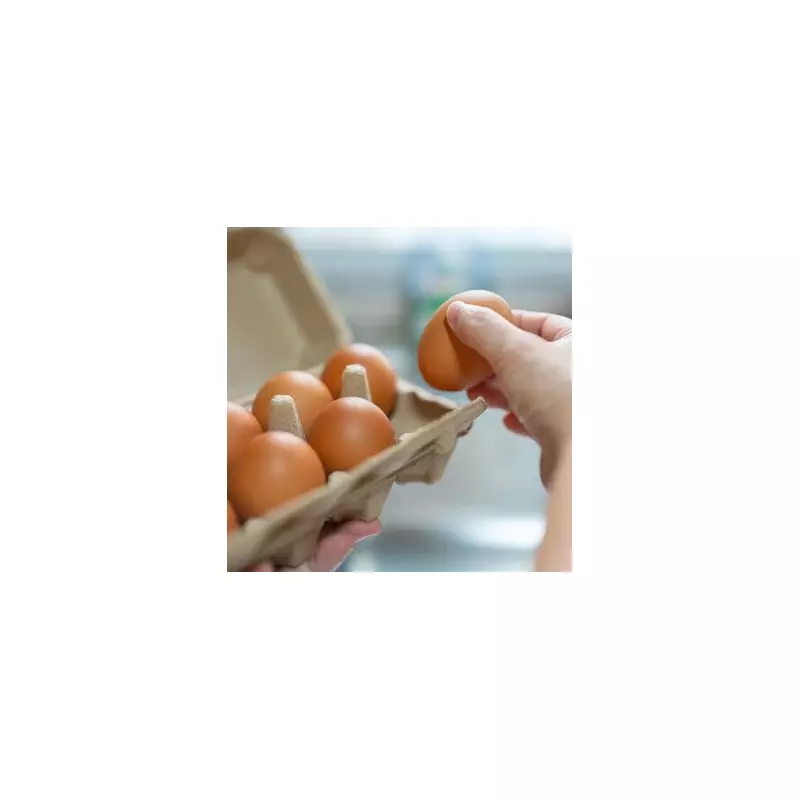
The age-old kitchen debate over whether to keep eggs in the fridge or on the counter has been reignited by a definitive tip from celebrity chef James Martin. The culinary expert has issued a clear warning about the common practice of refrigeration, explaining a crucial reason why he always keeps his eggs at room temperature.
The Porous Problem with Chilling Eggs
During an appearance on ITV's This Morning with hosts Philip Schofield and Holly Willoughby, Martin explained the science behind his advice. He highlighted that "all eggs are porous", meaning their shells are covered in tiny, invisible holes. This natural texture is the key reason he advises against refrigeration.
"They absorb all the flavours from the fridge," Martin stated. He warned that eggs stored alongside pungent foods like cheese, onions, or fish can take on those aromas and tastes without any visible sign. You might only discover the unwanted flavour when you crack them open to cook.

How to Store Eggs Correctly for Safety and Taste
This advice aligns with guidance from the British Lion eggs scheme, the UK's leading egg safety body. Their experts confirm that bacteria and strong odours can also pass through the shell's pores. Their primary recommendation is to always keep eggs in their original cardboard carton, whether stored in a pantry or the fridge.
The carton protects the eggs from damage and odours, and provides a clear best-before date for reference. For optimum quality and safety, eggs require a consistent temperature below 20°C. A cool, steady pantry is ideal, but they caution that standard kitchen cupboards can heat up during cooking.
If a consistent cool room temperature cannot be maintained, refrigeration becomes the safer option. However, the specialists strongly advise against using the egg shelf built into many fridge doors, as the frequent temperature fluctuations from opening and closing the door are detrimental.
Culinary Tricks and Practical Tips
Interestingly, James Martin noted that this porous quality can be used creatively in professional kitchens. He gave the example of infusing eggs with truffle flavour by storing them overnight in a sealed container with truffles and rice, creating truffle-scented scrambled eggs without adding any actual truffle to the pan.
For those who do refrigerate their eggs, the British Lion team has key advice: remove eggs from the fridge about 30 minutes before use to allow them to reach room temperature, which is better for cooking and baking. For leftover raw egg whites or yolks, store them in airtight containers in the fridge.
Yolks can be kept soft for up to four days by covering them with a thin layer of milk, while whites will stay fresh for roughly two days. The overarching message from both the chef and the experts is clear: thoughtful storage is essential for preserving the pure, intended flavour of your eggs.