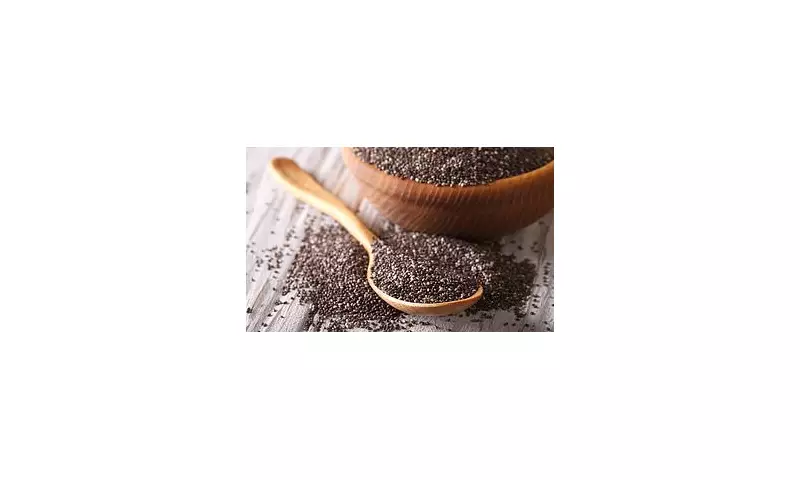
New scientific research suggests that incorporating chia seeds into one's diet could provide crucial protection for both brain and body against the damaging effects of consuming ultra-processed foods. These findings offer potential hope in addressing the widespread health consequences of modern dietary patterns.
The Growing Problem of Ultra-Processed Consumption
Ultra-processed foods, typically characterised by high levels of saturated fats and refined sugars, have been consistently linked to adverse effects across virtually every organ system in the human body. A concerning report published in The Lancet last year revealed that the average person in the United Kingdom consumes more than half their daily calories through these nutritionally poor food products.
The implications extend far beyond digestive concerns and rising obesity rates. Diets high in fat and sugar can trigger significant inflammation within the brain, potentially increasing the risk of cognitive decline over time. Furthermore, these foods have been shown to disrupt the delicate gut-brain axis, interfering with normal satiety signals and promoting patterns of overeating.

Chia Seeds: A Nutritional Powerhouse
Brazilian scientists now propose that chia seeds might offer a natural solution to these dietary challenges. These small black and white seeds are remarkably rich in omega-3 fatty acids and represent a complete protein source, containing all nine essential amino acids required for proper bodily function.
Previous research has demonstrated that alpha-linolenic acid (ALA), an omega-3 fatty acid abundant in chia seeds, can help reduce inflammation in individuals with metabolic syndrome. This cluster of conditions, including obesity and hypertension, significantly elevates the risk of developing type 2 diabetes, cardiovascular disease, and stroke.
Experimental Design and Methodology
To investigate whether chia seeds could reverse damage caused by typical Western diets, researchers from the Federal University of Vicosa conducted a controlled study using rat models. Their findings were published in the scientific journal Nutrition.
During the initial eight-week phase, most rats were fed a diet designed to mimic unhealthy human eating patterns, high in lard and fructose sugar. This preliminary stage aimed to induce metabolic changes in the animals, making them more representative of the general human population. A control group received a standard, healthy diet for comparison purposes.
For the subsequent ten weeks, the researchers divided the animals into three distinct groups. One continued the high-fat, high-sugar diet without modification, another received the same unhealthy diet supplemented with chia oil, while a third group had their high-fat feed enhanced with chia flour. Following this period, the team collected brain tissue samples for detailed analysis.
Key Findings on Appetite Regulation
The results revealed significant differences between how chia flour and chia oil affected satiety and inflammatory markers. Rats consuming chia oil demonstrated increased activity in specific genes responsible for hunger suppression, suggesting that chia may promote feelings of fullness by activating this pathway within the central nervous system.
These genes produce proteins called POMC and CART, which signal to the body that sufficient energy has been consumed, resulting in sensations of satiety. Interestingly, researchers observed no similar activation in the group fed chia flour.
Both chia interventions, however, appeared to improve how the brain responds to leptin, a hormone produced by fat cells that regulates hunger sensations. In healthy brains, leptin binds to specific receptors to inhibit hunger signals, but high-fat diets typically suppress these mechanisms, leading to leptin resistance and consequent overeating.
The study found that feeding rats chia products helped restore normal brain functioning, effectively reducing the urge to overconsume food. Researchers noted that chia seeds' ability to enhance feelings of satiety bears comparison to how GLP-1 medications like Ozempic, Wegovy, and Mounjaro work to dull appetite and facilitate weight loss.

Anti-Inflammatory Effects and Important Caveats
Beyond appetite control, the research team discovered that unhealthy diets increased expression of a protein that activates cellular inflammation. Chia supplementation helped mitigate this effect, offering protection to brain cells against inflammatory damage.
Chia flour demonstrated particularly strong protective qualities, with compounds in the flour shown to bind directly to appetite receptors in the brain. The research team concluded that consuming chia flour and oil alongside high-fat, high-fructose diets modulated gene expression involved in both satiety and inflammatory response mechanisms, presenting a potential strategy for managing metabolic diseases associated with unbalanced diets.
Despite these promising neurological changes, researchers highlighted an important limitation: none of the animals consuming chia actually lost weight during the study period. They suggested this might be because the rats were consuming extremely high-calorie diets that could have masked any potential weight benefits from chia. The team added that behavioural changes in eating patterns and subsequent weight loss might require longer intervention periods to become apparent.
Broader Health Implications
Diets high in fat, salt, and sugar while being low in essential vitamins and fibre have long been associated with increased risks of serious health conditions including cancer, type 2 diabetes, and heart disease. This new research adds to growing evidence about the specific neurological impacts of poor dietary choices while suggesting possible nutritional interventions.
The study underscores the complex relationship between diet, brain function, and metabolic health, pointing toward chia seeds as a potentially valuable dietary component for those seeking to mitigate the effects of ultra-processed food consumption.