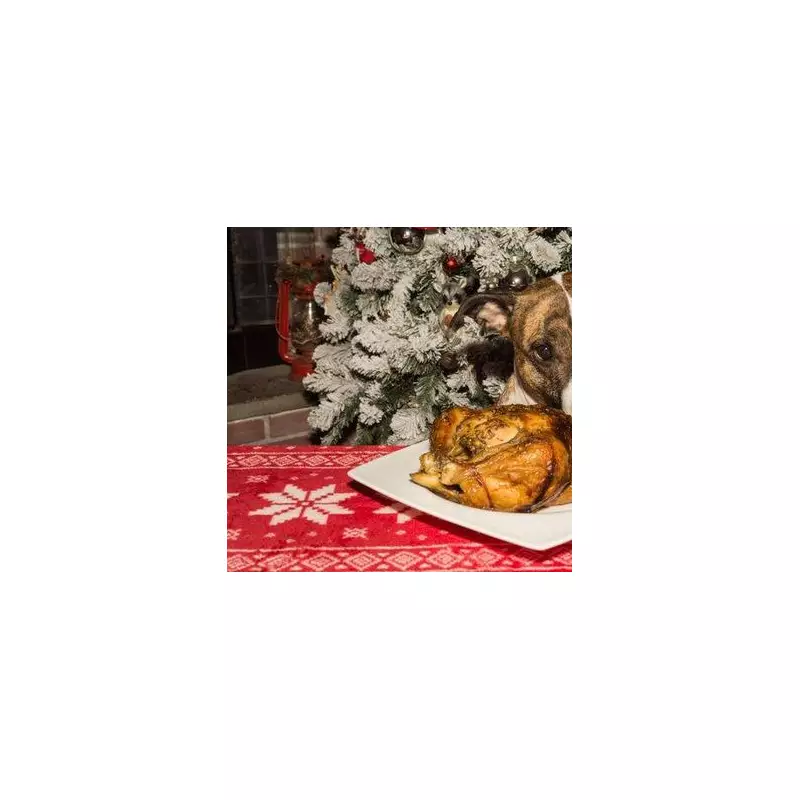
As families across the UK gather for festive feasts this Christmas, a leading veterinary expert has issued an urgent warning to pet owners about the hidden dangers lurking on the dinner table. Allowing dogs to share in the seasonal indulgence could lead to a life-threatening emergency, according to a registered veterinary nurse.
The Most Dangerous Festive Treats
Carolanne Cicero, a registered Veterinary Nurse and in-house adviser at pet food firm Bella+Duke, states that one of the gravest risks comes from anything containing dried fruits like raisins, currants, and sultanas. These are found in many traditional Christmas desserts.
"These are potentially highly toxic to dogs. There's no known safe amount, and for some dogs, even a single raisin can trigger serious kidney damage, which can be life-threatening," Cicero told the Express. She specifically highlighted Christmas cake, Christmas pudding, and mince pies as amongst the most hazardous nibbles for canine companions.

Chocolate and Savoury Hazards
While chocolate is a year-round threat, cases of theobromine poisoning see a dramatic spike from late November through January. Dogs frequently consume Advent calendars, selection boxes, and chocolate Santas, leading to symptoms that can include rapid breathing, muscle tremors, and seizures.
The dangers are not confined to sweet treats. Several savoury Christmas staples are equally perilous:
- Pigs in blankets: High in salt, fat, and grease, which can cause severe gastrointestinal upset.
- Gravy: Often contains onions or other allium family members, which can trigger anaemia and sickness in dogs.
- Stuffing: Typically includes onions, butter, and bread, making it unsuitable for pets.
- Cooked turkey bones: Can splinter and cause serious internal damage or blockages.
- Cheese (especially blue varieties): High in fat, which may lead to pancreatitis, and can contain moulds toxic to dogs.
Prevention and Safe Alternatives
"Prevention is always better than a cure," Cicero emphasised. She advises owners to keep all food and drink securely out of their dog's reach and to provide a comfortable, separate area for the pet during meals and celebrations.
If an accident occurs, owners should stay calm but act swiftly. "If you see your dog eat something they shouldn't, contact your vet immediately. Outside normal hours, owners can call the Animal Poison Line for advice," she urged.
Pets need not miss out entirely. Cicero recommends preparing a simple, dog-safe festive plate using ingredients the dog has tolerated before. Safe options include:
- Skinless, lean white turkey meat.
- Plain boiled vegetables like carrots, parsnips, broccoli, and Brussels sprouts.
"A simple, dog-safe festive plate could include turkey, chicken or beef paired with healthy vegetables like broccoli or Brussels sprouts. Avoid sauces and gravies," she concluded.
The warning comes as findings from the Blue Cross reveal that over 38% of pets receive a full turkey dinner on Christmas Day, with nearly 10% being served a dedicated seasonal spread, highlighting the scale of potential risk during the festivities.