Millions of Britons participating in Dry January are being cautioned that their chosen alcohol-free alternatives could be laden with shocking amounts of hidden sugar, potentially undermining their health goals.
The Sweet Truth Behind Popular 'Dry' Tipples
An investigation has uncovered that some of the most popular non-alcoholic beverages contain sugar levels comparable to confectionery. A 500ml bottle of Kopparberg Strawberry and Lime Alcohol Free was found to contain the equivalent of a staggering 12.6 teaspoons of sugar. To put that into perspective, a standard 41.5g KitKat bar contains roughly five teaspoons, meaning the drink holds the sugar of two-and-a-half chocolate bars.
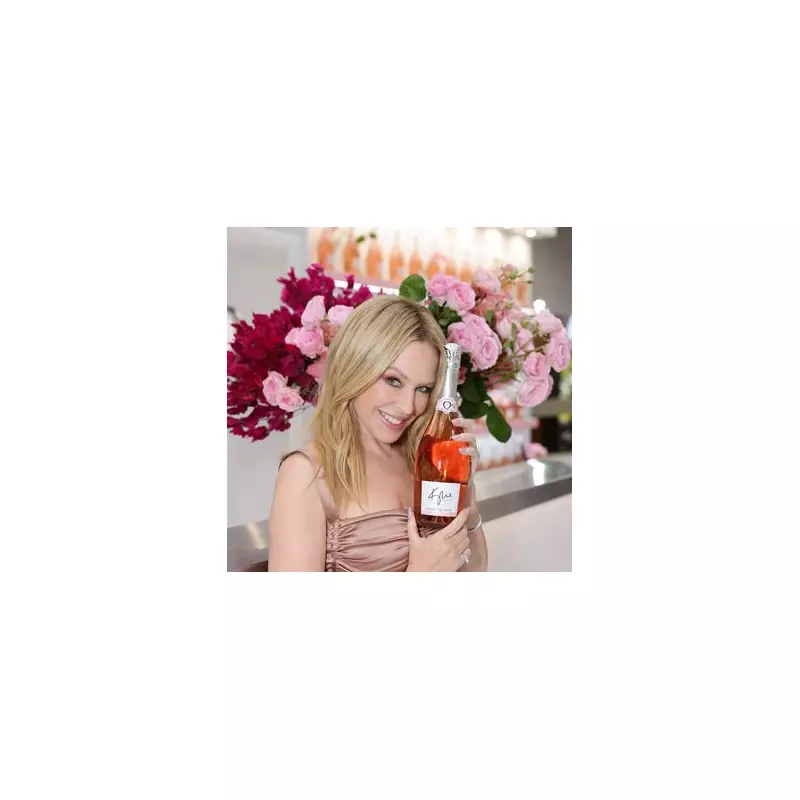
Other brands are also under scrutiny. A 100ml serving of pop icon Kylie Minogue’s Alcohol-Free Sparkling Rosé contains 1.25 teaspoons of sugar. Meanwhile, a 440ml can of Thatchers Zero Cider packs six teaspoons, and Inch's 0.0% Alcohol Free Apple Cider contains 6.5 teaspoons per can.

Health Experts Issue Stark Warning
This revelation comes as an estimated 17.5 million people in the UK are shunning alcohol this January. Health campaigners are now raising the alarm, stating that swapping booze for liquid sugar is not a healthy alternative.
Sonia Pombo, from Action on Salt and Sugar, stated: "Swapping alcohol for excessive sugar is not a health win. The rise of these drinks risks undermining public health efforts and confusing consumers who are trying to make better choices."
Nutritionist and podcast host Paul Evans offered a blunt assessment: "A single bottle of alcohol-free Kopparberg contains over 12 teaspoons of sugar – that’s nearly double the daily limit. Many of these booze-free drinks are basically liquid sugar. For a lot of people they’ll drive cravings, energy crashes and weight gain far more reliably than the odd alcoholic beverage ever would."
Long-Term Health Implications
The NHS recommends that adults consume no more than approximately seven teaspoons of added sugar per day. The sugar content in just one of these alcohol-free bottles vastly exceeds this guideline.
Tam Fry, chairman of the National Obesity Forum, highlighted the potential long-term consequences: "In the short-term you might think that the low alcohol is what the doctor ordered but the sugar will inevitably get to you in the end."
All manufacturers mentioned in the report were contacted for comment. The findings serve as a crucial reminder for consumers to scrutinise labels carefully, even on products marketed as healthier or 'free-from' alternatives, during Dry January and beyond.