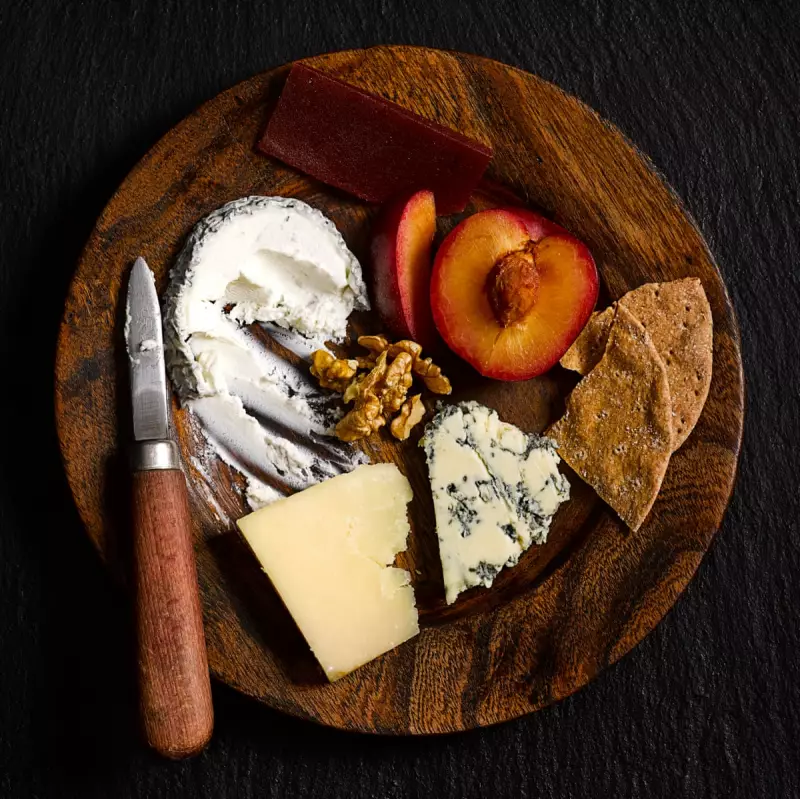
Creating a standout cheeseboard is a cherished part of the festive season for many households. With so many options, knowing where to start can be daunting. We asked leading cheese experts for their definitive guide to assembling a Christmas cheeseboard that will delight your guests.
The Golden Rules of Cheese Selection
According to the specialists, the key to a successful board lies in careful curation rather than overwhelming quantity. Bronwen Percival, technical director of Neal’s Yard Dairy, advocates for three to four generous wedges. "Choose handsome wedges, rather than slivers of too many options," she advises, noting that few people have "the time or attention for a board that needs a lot of explaining."
Mathew Carver, founder of Pick & Cheese, The Cheese Barge and Rind, suggests a thematic approach to keep things interesting. He often focuses on cheeses from a specific region, such as Scotland or Wales, to discover new favourites while still allowing room for a beloved classic like comté.

For the ideal balance, Carver recommends a mix of styles. "The perfect five would be a hard, a soft, a blue, a sheep and a goat’s," he says. On portions, he is generous: "The general consensus is 30-40g per person, but at Christmas you need more than you can fathomably eat." He suggests planning for 50-60g of each cheese per guest.
Standout British Cheeses to Consider
Both experts champion exceptional British cheeses that deserve a place on your festive table. Percival is passionate about reviving classic regional varieties. She highly recommends Stonebeck Wensleydale, describing it as "incredibly creamy with a flavour that unfolds long after you’ve eaten it. It will make you rethink everything you thought you knew about Wensleydale."
Her next pick is Appleby’s Cheshire, which she calls "succulent and mineral, with a gentle crumble and citrus brightness." She suggests serving a big wedge with salted cultured butter and crackers, accompanied by a glass of port or kombucha. For Christmas Eve, she proposes Mrs Kirkham’s Lancashire paired with gingerbread or gingersnaps.
Carver highlights the appeal of British sheep's milk cheese, which is less common. He recommends Wakebridge, made in Derby, which he says is "similar to a lancashire or cheddar, and it’s got a nice sweetness to it."
Accessorising Your Cheeseboard
The accompaniments are just as important as the cheese itself. Percival suggests a plum and red onion chutney, a drizzle of quality honey, or spiced poached quinces. She emphasises the importance of good crackers, naming sourdough and oatcakes as her go-to choices.
Carver prefers more adventurous pairings. "Think something that’s a bit out of the box," he says. He recommends trying a mild goat’s cheese with rose Turkish delight, stilton with kimchi, or brie with a roasted garlic and honey paste. "That, or a simple parsnip puree, would be really nice with a soft, bloomy rind cheese," he adds.
The Great Debate: When to Serve?
The experts have different views on the optimal time for the cheeseboard during Christmas Day. Percival, who is from the United States, often serves cheese before the main meal. "It’s something to nibble with a glass of something fizzy, and its job is to whet the appetite, not finish the meal," she explains.
Carver, however, is firmly in the traditional post-dessert camp. "I like to finish Christmas dinner at about 4pm, eat chocolate for a few hours, then have cheese and port around 6pm," he shares. "And then that’s Christmas Day done."
Whether you serve it as a starter or a grand finale, following these expert tips will ensure your festive cheeseboard is a memorable centrepiece of your Christmas celebrations.