For generations, the humble cabbage has been a staple in British kitchens, prized for its affordability and long shelf life. Yet, its reputation for being soggy and pungent has left many reluctant to eat it. According to a culinary expert, this bad rap is entirely down to one common cooking mistake.
The Problem With Boiling Your Greens
Boiling cabbage is the worst possible way to cook it, states healthy eating guru Lisa Bryan, creator of the popular website Downshiftology. She explains that submerging the vegetable in water causes it to disintegrate and release sulphur compounds, creating that infamous, off-putting smell and mushy texture. Furthermore, many of cabbage's valuable, water-soluble vitamins are lost straight down the drain.
"Cabbage has long been one of my favourite vegetables to cook with," says Bryan. "It adds a delicious crunch to salads like coleslaw, becomes meltingly tender in cabbage soup, and caramelises beautifully when it's sautéed."

The Secret to Sweet, Crispy Cabbage
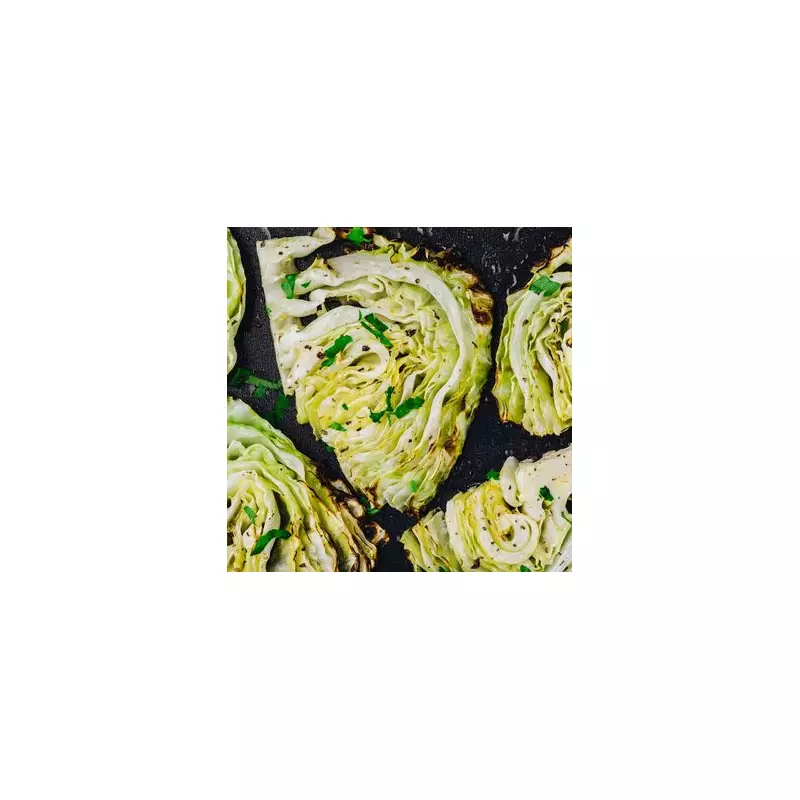
The superior method, according to the expert, is to sauté it. This technique crisps up the leaves and draws out a naturally sweet and nutty flavour that most people never associate with the vegetable. The process takes just about 20 minutes from start to finish.
However, Bryan reveals that the real game-changer is your choice of cooking fat. Her secret ingredient is ghee, a type of clarified butter common in Indian cuisine.
"My favourite method is cooking the cabbage with ghee," she advises. "If you sauté too long with butter it can easily burn and olive oil doesn't have as sweet a flavour." Ghee has a significantly higher smoke point than regular butter or olive oil, allowing you to cook the cabbage at a higher temperature to achieve perfect caramelisation and crispness without any risk of burning.
How to Make the Perfect Sautéed Cabbage
For those ready to transform their cabbage, Lisa Bryan shares her simple recipe. You will need one small green cabbage, one small yellow onion, two garlic cloves, two tablespoons of ghee, and salt and pepper to taste.
Start by preparing your vegetables: slice the cabbage in half, then into quarters, and remove the core. Cut it into thin strips. Finely chop the onion and mince the garlic.
Melt the ghee in a large pan over a medium heat. Cook the onion for a minute until softened, then add the garlic. Add the cabbage strips and cook for 12 to 15 minutes, stirring occasionally, until the cabbage is tender and beautifully caramelised. Season with salt and pepper before serving.
If you cannot find ghee, Bryan suggests a combination of butter and olive oil as an alternative, though she notes ghee remains the ideal choice for the richest taste and proper crispness.
This simple switch in technique and ingredient promises to turn the budget-friendly, nutrient-packed cabbage from a dreaded side into a delicious, go-to vegetable that might just become a regular feature on your dinner table.