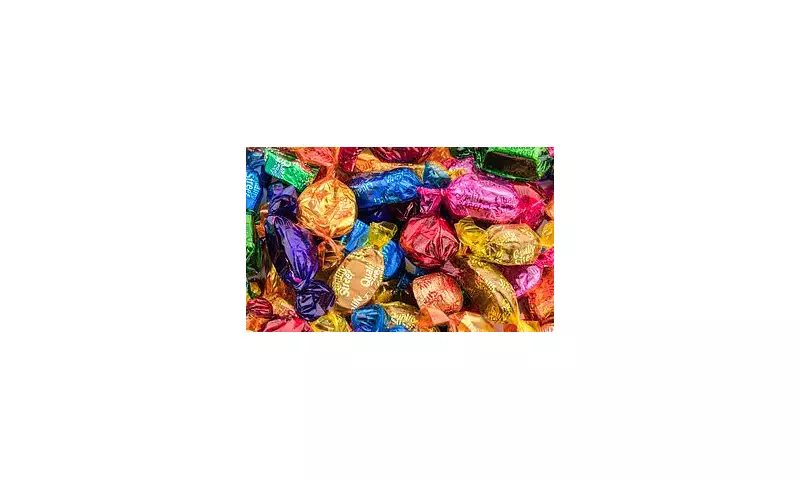
As millions of festive chocolates are unwrapped across the UK this Christmas, nutrition experts have issued a stark warning: many contain far more sugar and less cocoa than people realise. Some popular treats pack enough sugar to rival the sweetest fizzy drinks, offering almost none of cocoa's renowned health benefits.
The Bitter Truth Behind Sweet Treats
This calorific combination is a significant contributor to obesity and increases the risk of developing deadly heart disease, particularly during the indulgent festive period. Experts highlight that a single serving of Terry's Chocolate Orange – just four segments – contains more calories than a standard can of Coca-Cola. Meanwhile, a solitary Ferrero Rocher holds nearly the same amount of fat as a traditional mince pie.
The NHS advises adults to consume no more than 30g of added sugar daily, with children recommended to have even less. To be legally classed as chocolate in the UK, a product must contain a minimum of 25% cocoa solids, or 20% cocoa butter for white chocolate. However, the sugar content in a 100g bar can vary drastically from around 7g to a staggering 50g.

Excessive sugar intake is linked to high blood pressure, heart disease, and stroke, elevating the risk of long-term cardiovascular conditions. Yet, it's not all bad news. One leading expert told the Daily Mail that chocolate, eaten in moderation, can be beneficial for both heart and brain health.
From Worst to Best: The Festive Chocolate Ranking
Nutritionist Stefanie Daniels assessed popular Christmas chocolates for the Daily Mail, ranking them based on sugar, fat, and cocoa content to help consumers make informed choices.
The Lowest Ranked: Quality Street Toffee Penny (0/10)
Daniels awarded the iconic Quality Street Toffee Penny a score of zero. These disc-shaped chews are primarily made from sugar and glucose syrup, a 'free sugar' that offers zero nutrition and contributes to weight gain and tooth decay. Containing no cocoa, they provide negligible fibre or protein but cause rapid blood sugar spikes and crashes, encouraging overconsumption.
Middle of the Pack: Festive Favourites Under Scrutiny
Lindt Lindor White Chocolate Truffles scored 1/10. With 45g of sugar per 100g, they are typical of white chocolate, though cocoa butter provides a healthier fat source. Celebrations' Galaxy and Galaxy Caramel scored 3/10. Their bite-size portions encourage mindless snacking, leading to higher overall sugar and fat intake, and they often contain vegetable fats and emulsifiers.
Terry's Milk Chocolate Orange received a 4/10. A single serving contains 17g of sugar – nearly 20% of an adult's daily allowance. The added milk and sugar dilute the cocoa content, though its texture helps the body register satiety.
Ferrero Rocher scored 5/10. While low in cocoa solids, the roasted hazelnuts provide vitamin E. However, the palm oil content means just three chocolates contain nearly 17g of fat, over half the NHS daily recommendation.
The Healthier Choices: Darker Options Lead the Way
After Eights achieved a 7/10. With a minimum of 43% cocoa solids, the strong peppermint flavour can curb appetite, though they remain high in sugar.
Lindt Lindor Extra Dark Chocolate Truffles scored 9/10. At around 75% cocoa, they are naturally lower in sugar and rich in polyphenols, which reduce inflammation and boost brain health. Their melt-in-the-mouth texture, however, makes overeating easy.
Booja Booja Deeply Chocolate Truffles also scored 9/10. This organic, vegan option uses coconut oil instead of palm oil, but with 55% cocoa solids, it falls short of a perfect score.
Chocolate's Silver Lining: The Power of Cocoa
Nutritional therapist and former Cadbury recipe developer, Alix Tomkinson, emphasises that cocoa is a rich source of minerals like magnesium and iron. It is also one of the planet's richest dietary sources of antioxidants, known as flavanols, which are linked to disease protection. Scientists have even found that regularly eating dark chocolate can improve alertness, with a 100g bar containing nearly as much caffeine as a cup of coffee.

The key takeaway for chocolate lovers this Christmas is moderation and opting for higher cocoa content where possible. While the festive season invites indulgence, being aware of the hidden sugar and fat in colourful foils can help protect long-term health.