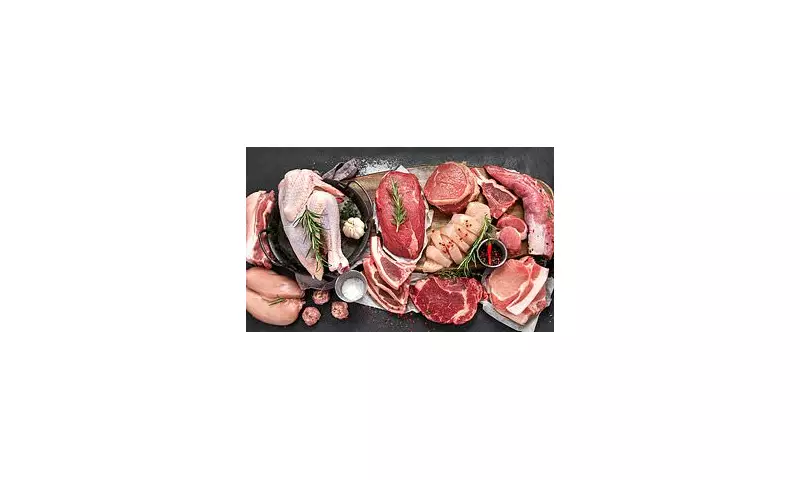
Navigating Britain's Meat Landscape: A Comprehensive Health Guide
From budget-friendly hot-dog sausages costing mere pennies to luxurious dry-aged fillet of beef commanding hundreds of pounds, meat occupies a central position in the dietary habits of millions across Britain. With recent research indicating a steady rise in meat consumption throughout the United Kingdom, a crucial question emerges with increasing urgency: which meat choices offer the greatest health advantages? While nutrition experts universally acknowledge that fresh meat provides valuable proteins, healthy fats, and essential micronutrients, certain processed meat products carry such significant cancer risks that the World Health Organisation advocates for health warnings on their packaging.
Understanding Meat's Nutritional Spectrum
Key determinants of meat's health impact include the animal's rearing conditions, the specific cut selected, its inherent fat content, and perhaps most importantly, the cooking and preparation methods employed. Nutritional therapist Amanda Serif, a respected member of the British Association of Nutrition and Lifestyle Medicine, observes: 'Despite the growing popularity of vegetarian and vegan lifestyles, many individuals still envision their meals around meat as the central component. However, the term "meat" encompasses an extraordinarily diverse range of foods. Moderate consumption of fresh meat, whether roasted, grilled, or prepared in casseroles, delivers essential amino acids necessary for numerous bodily functions. It serves as a vital source of iron, crucial for oxygen transportation, and zinc, which bolsters immune system performance.'
Conversely, Ms Serif cautions against regular consumption of heavily processed options, stating: 'A deep-fried chip-shop sausage encased in batter should never constitute anyone's conception of a balanced, healthy diet.' A comprehensive 2024 study revealed that fifty percent of Britons consume meat at least five times weekly, while the government's latest National Diet and Nutrition Survey calculated average annual consumption at 10.6kg of red meat, 13.9kg of white meat, and 9.5kg of processed meat per adult.

Expert Recommendations for Meat Consumption
Ms Serif advises her clients to limit fresh red meat intake to two or three portions weekly, selecting the leanest available cuts or trimming visible fat after cooking. She emphasises a frequently overlooked aspect of meat digestion: 'The nutritional value of all meat depends fundamentally on proper digestion. Stomach acid faces considerable difficulty breaking down meat fibres, making thorough chewing absolutely essential. Mechanically grinding the fibres at the digestion process's outset significantly enhances nutrient release.'
Following recent American research suggesting lean pork might offer health benefits comparable to lentils, peas, and beans—potentially improving cognitive function and supporting muscle maintenance in older adults—we examine the nutritional profiles of Britain's most commonly consumed meats.
Detailed Analysis of Popular Meats
Chicken: Britain's Favourite Protein
As the United Kingdom's most popular meat, with approximately 2.5 million tonnes consumed annually, chicken provides complete protein containing all nine essential amino acids necessary for muscle repair, bone health, and hormone production. Significant nutritional differences exist between cuts: 100g of roasted skinless breast fillet contains 28.9g protein, 147 calories, and 2.2g fat, while the same weight of roasted skin-on thigh meat offers 20.9g protein, 177 calories, and 9.2g fat.
Ms Serif explains: 'Breast meat delivers higher protein with lower fat and calorie content, though this often requires more culinary effort to enhance flavour. Legs and thighs contain more fat, resulting in richer taste, and their harder-working muscles provide elevated iron and zinc levels.' She recommends removing skin after cooking as a compromise between health and flavour, noting that occasional consumption of skin-on roast chicken poses minimal health risk.

Turkey: The Year-Round Protein Powerhouse
Although traditionally associated with Christmas celebrations, turkey deserves year-round consideration as both breast and leg cuts contain more protein and less fat than chicken. 100g of turkey breast provides 33.9g protein, 153 calories, and 2g fat, while turkey thigh offers 29.4g protein, 177 calories, and 6.6g fat. Beyond lean protein, turkey supplies iron, zinc, phosphorus for bone strength, and metabolism-boosting vitamin B6.
Ms Serif dispels the common myth about turkey-induced sleepiness: 'While turkey contains tryptophan, levels don't significantly exceed other protein-rich foods. Post-meal drowsiness more likely results from consuming large festive meals with roast potatoes, rich gravy, and alcoholic beverages.'
Goose and Duck: Occasional Indulgences
Goose represents one of Britain's fattiest meats, with 100g providing 28g protein, 310 calories, and 21.2g fat—more than double chicken thigh's fat content. Ms Serif notes: 'Although energy-dense and nutrient-rich, over half of goose fat comprises beneficial mono-unsaturated fats that support cell membranes and improve cholesterol profiles. However, less beneficial fats mean goose shouldn't feature in weekly diets.'
Duck, particularly Pekin or Gressingham breeds, offers 25g protein, 195 calories, and 10.4g fat per 100g of roasted skinless breast. Ms Serif comments: 'Roast duck qualifies as calorie-dense despite relatively lean meat, with most fat concentrated in the skin and rendered during cooking. Like goose, it provides valuable nutrition but warrants occasional consumption due to overall fat content.' Chinese-style crispy duck contains 331 calories and 24.2g fat per 100g, with hoisin sauce substantially increasing calorie and salt levels.
Beef: The British Staple
A centuries-old dietary cornerstone, beef provides readily-absorbed iron for haemoglobin production and oxygen transportation. Fillet steak contains 28g protein, 184 calories, and 7.9g fat per 100g, while tougher cuts like brisket offer 31g protein, 225 calories, and 11g fat. Minced beef demonstrates considerable nutritional variation, with fattier mince containing 273 calories and 19.4g fat compared to 124 calories and 4.5g fat in extra-lean versions.
Despite beef's nutritional benefits, the World Health Organization classifies all red meat as probably carcinogenic, recommending limited weekly intake of 350–500g across beef, lamb, and pork.
Pork: Britain's Popular Red Meat
As the United Kingdom's most consumed red meat in both fresh and processed forms, pork demonstrates remarkable nutritional variability. Pork tenderloin provides 34g protein, 170 calories, and 4g fat per 100g, while roast pork belly can contain up to 580 calories and 53g fat. Processed pork products like ham, bacon, and sausages often contain high salt and saturated fat levels, with WHO classifying processed meat as carcinogenic and linking 50g daily consumption to increased bowel cancer risk.
Lamb and Venison: Nutrient-Rich Options
British lamb, predominantly free-range and grass-fed, contains valuable vitamin B12 for nervous system function and red blood cell production, along with high Omega-3 fatty acid levels supporting brain function and cardiovascular health. 100g of roasted lamb leg offers 30g protein, 210 calories, and 9.6g fat.
Venison stands as the leanest red meat with highest protein content, providing 36g protein, 165 calories, and 2.5g fat per 100g—comparable to skinless chicken breast. Ms Serif remarks: 'Nutritionally, wild venison offers exceptional protein density with minimal saturated fat, though availability and consumer perceptions limit its popularity.'
Rabbit, Ostrich, Buffalo and Crocodile: Alternative Proteins
Rabbit meat contains 21g protein, 114 calories, and 3.2g fat per 100g, with iron levels nearly double those of beef. Ostrich provides 20g protein, 117 calories, and 2.4g fat per 100g, offering beef-like flavour with reduced fat and increased iron. Buffalo meat delivers 22g protein, 105 calories, and 2g fat per 100g, comparable nutritionally to skinless chicken breast but with richer iron and zinc content.
Crocodile, considered exotic in Britain, contains 30g protein, 166 calories, and 5g fat per 100g, with significant Omega-3 fatty acids, iron, and potassium. Ms Serif observes: 'Despite impressive nutritional credentials, crocodile meat seems unlikely to become mainstream in British diets due to availability and cultural perceptions.'
Conclusion: Making Informed Meat Choices
Britain's meat consumption landscape presents both opportunities and challenges for health-conscious consumers. By understanding nutritional variations between different meats, cuts, and preparation methods, individuals can make informed decisions balancing dietary preferences with health considerations. Regular consumption of lean, fresh meats in moderate portions, combined with mindful cooking techniques and thorough chewing, allows Britons to enjoy meat's nutritional benefits while minimising potential health risks associated with processed and high-fat options.