Heirloom Recipes: The Stories Behind Family Favourites
From baked beans with a Gujarati twist to billowing Yorkshire pudding with Bramley apples, Guardian readers have shared the dishes that have connected their families across generations. These recipes are more than just instructions; they are acts of cultural preservation, offering a taste of history and a link to loved ones, both past and present.
The Power of Family Recipes
Family recipes serve as a form of time travel, connecting us deeply to people we may never have met and places we might not have visited. They are a testament to the ingenuity of domestic chefs and the enduring power of human connection. In an age where any recipe is just a tap away, these heirloom dishes stand out for their personal stories and emotional resonance.
This compendium of reader-submitted recipes showcases how food can bridge gaps, preserve memories, and create new traditions. Each dish comes with a narrative that highlights resilience, love, and the simple joy of sharing a meal.

Bapa's Beans: A Taste of Home
Sonia, 40, from Manchester, cherishes her grandfather's recipe for Bapa's beans. This dish transforms tinned baked beans into a delicious Indian curry, a recipe her grandfather showed her before he passed away. Sonia makes it for her husband and two sons, serving it with hot buttery sourdough to create an Indian version of beans on toast.
For Sonia, the dish is a way to remember her grandad and hold on to her Indian identity. She recalls spending time with her grandparents in Bradford, where her grandmother cooked fresh vegetarian curries daily. When her grandfather took over the kitchen, he made Bapa's beans with rotis from the freezer. Sonia learned the recipe before leaving for university and has made it almost every month since.
Bapa's Beans Recipe:
- 2 tbsp cooking oil
- 1 brown onion, diced
- 1/2 tsp of asafoetida
- 5 cloves of garlic, thinly sliced
- 1/2 tsp mustard seeds
- 2 400g tins of baked beans
- 1 tsp carom seeds
- 1/2 tsp chilli powder
- 2 heaped tsp ground cumin
- 2 heaped tsp turmeric powder
- 1 heaped tsp coriander powder
- A handful of fresh chopped coriander
- Salt
Heat the oil, add mustard seeds, then asafoetida, onion, and garlic. Add spices, then baked beans and carom seeds. Simmer and stir in coriander before serving.
Grandma's Christmas Pudding: A Transatlantic Tradition
Grant Whitehead, 57, now living in Canada, grew up with a Christmas pudding recipe that travelled from Scotland with his grandmother. Made with chopped bread rather than flour, the recipe is written in her own hand on a fragile piece of paper. Every November, his parents would bring out a special pudding bowl, signalling the start of the festive season.
Grant describes the recipe as a piece of family history, barely changed since it crossed the ocean. The accompanying white sauce, found in a 1940s women's magazine by his Yorkshire grandmother, adds another layer of connection. For Grant, this dish links him to three women he never knew, making it a cherished part of his winter traditions.
Grandma's Christmas Pudding Recipe:
Combine dry ingredients like flour, baking powder, and spices with bread cubes and brown sugar. Mix with a fruit blend of raisins, currants, dates, peel, and optional walnuts. Cream butter with eggs, molasses, milk, and vanilla, then fold into dry ingredients. Steam in a greased bowl for one to three hours.
Spinaka: A Story of Resilience
Zack, 27, from New York, shares his family's recipe for spinaka, a spinach and feta pie that tells a tale of survival. His great-grandmother, Frieda, brought the dish from Turkey to New York after being orphaned at a young age. Spinaka nourished her through tough times, including the Great Depression, thanks to its affordable ingredients and nutritional value.
Unlike typical versions made with phyllo dough, Zack's family uses a peasant dough made from boiled water, olive oil, and flour. He seasons it with sumac and serves each slice with fresh lemon juice and cracked black pepper. For Zack, spinaka is more than a meal; it's his family's story on a plate, a dish that brings them together even during conflicts.

Boranja: A Serbian Stew with Rich Flavours
Desanka Bajic, 69, from London, enjoys boranja, a Serbian lamb and green bean stew passed down by her father. The dish, rich with sweet paprika and potatoes, cooks for four hours and tastes even better the next day. Desanka recalls how her Lancashire mother learned to make it, bringing exciting flavours to their otherwise boring 1950s English diet.
Boranja was a highlight at Slava, the annual celebration of their patron saint, filling their small terrace with inviting aromas. For Desanka, the smell of the stew cooking still evokes cherished memories of family gatherings and cultural pride.
Boranja Recipe:
Toss diced lamb in seasoned flour, then cook with sliced onions, tomatoes, tomato puree, lamb stock, and garlic. After two hours, add potatoes and runner beans, simmering on low heat for four hours. Stir regularly to prevent sticking.
Good Luck Honey Cake: A Sweet Connection
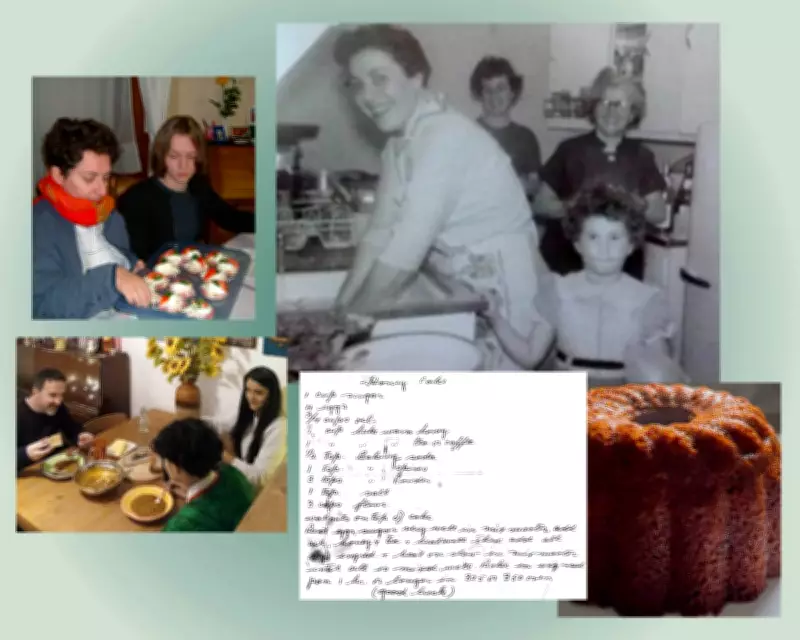
Ben, a 72-year-old economist from Canada, treasures his grandmother's honey cake recipe, now known as the Good Luck honey cake. While studying at Cardiff University in 1978, he called his grandmother for the recipe, missing a taste of home. She sent it in her handwriting, adding Good Luck at the end, perhaps doubting his cooking skills.
The cake, traditionally made in a round pan with a hole in the middle, is served during Jewish holidays like Rosh Hashanah and after Yom Kippur. Ben makes it to celebrate his grandmother and offer something sweet to guests, keeping her memory alive through this delicious treat.
Salami and Celeriac Toasts: Preserving Culinary Heritage
Justine, 34, from Cologne, Germany, digitised her grandmother's recipe notebook during the 2020 lockdowns, sharing it with her family. Among hundreds of Belgian and French recipes, the standout is Toasts au céleri et au salami, a family favourite for aperitifs, especially at Christmas.
The simple recipe involves mixing celeriac with mayonnaise and layering salami, tomatoes, egg, and parsley on white-bread canapés. Justine's grandmother saw the digitisation as a way to connect beyond her lifetime, and since her passing, the family has embraced these recipes as a precious legacy.
Apple Batter: A Comforting Yorkshire Pudding Twist
Susan Searle, 66, from Kent, recreates her late mother's apple batter, a Yorkshire pudding with Bramley apples and golden syrup. Despite leaving home unable to cook, Susan now enjoys making this warm, comforting dish, which melts on the tongue.
The recipe likely came from a women's magazine, as her mother had few cookbooks. Susan and her brother ensure they keep cooking their mother's recipes, offering comfort to their father and preserving family traditions.
Conclusion: The Enduring Legacy of Family Recipes
These heirloom recipes demonstrate how food can preserve knowledge, skills, and cultural identity across generations. They invite us to cook, share, and perhaps start new traditions in our own families. As these stories show, a simple dish can carry profound meaning, connecting us to our roots and to each other in ever-shifting culinary narratives.