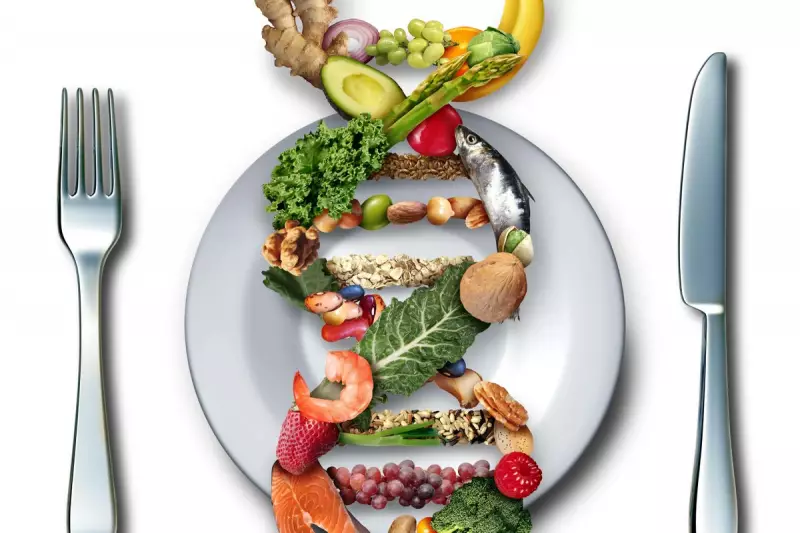
While the passage of time is unavoidable, a new book argues that the rate at which we physically and mentally age is not entirely fixed. Dr Ian K Smith, a Harvard-educated physician, has released a guide titled Eat Your Age, which provides a practical, decade-by-decade blueprint for preserving youthfulness and vitality.
A Science-Based Approach to Longevity
Dr Smith's central thesis is that our bodies' nutritional and metabolic requirements change significantly as we get older. His book, published by HQ and priced at £10.99, moves away from generic diet advice. Instead, it offers tailored strategies aligning food choices, physical activity, and preventive healthcare with the specific biological demands of each life stage, from your 30s to your 60s and beyond.
"The goal is to help slow metabolic decline, preserve muscle, reduce chronic disease risk, and extend health span – not just lifespan," Smith explains. He emphasises that this process is accessible to everyone, stating it "doesn't depend on how much money you have or how many times you visit the plastic surgeon." The focus is on intentional, science-backed habits that make longevity an achievable process.

Your 30s: Laying the Foundation for Future Health
Smith describes the fourth decade as a critical period where choices quietly begin to shape long-term ageing outcomes. The body remains resilient, but early metabolic shifts are underway. He advises a shift from simply counting calories to prioritising nutrient-dense foods like lean protein, fibre-rich vegetables, and healthy fats, while cutting back on ultra-processed items.
This approach aims to prevent insulin resistance before it starts. Establishing a consistent exercise routine is equally vital. Smith recommends resistance training at least two to three days per week to build muscle mass, which acts as "metabolic insurance" for later life. This should be paired with moderate cardio like brisk walking or cycling.
On the medical front, he urges people in their 30s to get baseline lab tests for fasting glucose, cholesterol, and blood pressure to establish a personal health starting line.
Your 40s: Strategic Maintenance and Metabolic Protection
This decade marks a transition to actively protecting health as hormonal changes and a gradual metabolic slowdown begin. Smith stresses the importance of spreading protein intake evenly across meals to support muscle, stabilise blood sugar, and manage appetite. Portion control becomes more critical as caloric needs subtly decline.
Exercise should evolve to include higher-intensity interval training to maintain cardiovascular fitness and counter metabolic slowdown, while also prioritising recovery and sleep. Proactive medical screening, including discussions about bowel cancer screening and regular monitoring of blood pressure and cholesterol, is key, especially with a family history of related conditions.
Your 50s: Preserving Strength and Fighting Inflammation
Health in the 50s shifts focus from weight to resilience, Smith says. The acceleration of muscle loss and chronic disease risk must be directly addressed. He advocates for an anti-inflammatory eating pattern rich in omega-3 fats, colourful vegetables, and whole grains, while reducing added sugars.
"Inflammation – not ageing itself – is a major driver of chronic disease," he warns. Strength training becomes non-negotiable to combat muscle loss, and it should be supplemented with balance and mobility work. Key medical screenings for this decade include bone density tests and checks for cardiovascular disease and diabetes.
Your 60s and Beyond: Sustaining Independence
The focus here turns to preservation and sustaining quality of life. Appetite may wane, but nutrient needs remain high. Smith highlights the danger of under-eating protein, which is crucial for muscle strength, immune function, and recovery. Meals should be simple, nutrient-dense, and easy to digest.
Movement priorities shift to functional fitness—maintaining strength, balance, and flexibility to preserve mobility and reduce fall risk. Consistency and safety trump intensity. Regular medical reviews of vision, hearing, cognitive health, and cardiovascular status are essential to protect independence.

Ultimately, Dr Ian K Smith's Eat Your Age empowers individuals to take a proactive, planned approach to ageing, proving that how you eat and live can profoundly influence how you age.