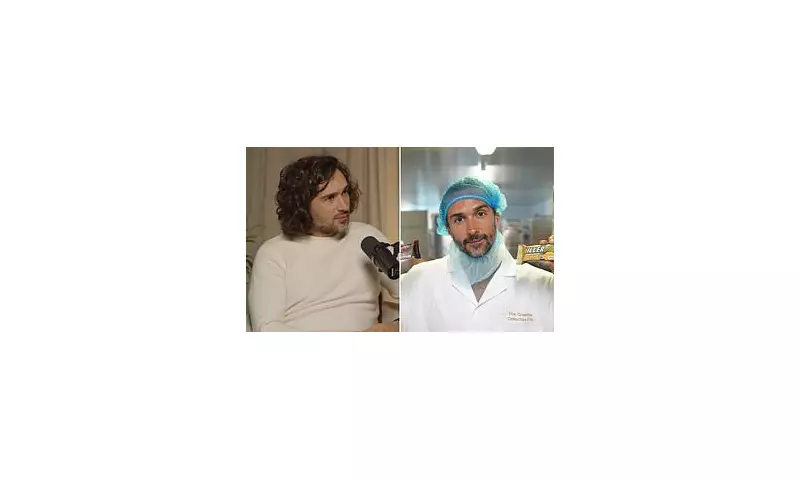
Fitness personality Joe Wicks has opened up about feeling deeply affected by the negative response to his recent documentary series, confessing he was both "offended and upset" by accusations that he was demonising certain foods and potentially promoting eating disorders.
A Controversial Television Project
The 39-year-old fitness mogul, widely known as The Body Coach, launched his Channel 4 documentary series in October last year. The programme aimed to investigate how ultra-processed foods (UPFs), which are often loaded with various additives, can still be marketed to consumers as healthy options despite their nutritional shortcomings.
During the series, Wicks unveiled what he dramatically termed "the UK's most dangerous health bar." In a controversial move, he encouraged his followers to purchase these bars but advised them not to consume the products, with the promise that all profits would be directed towards charities promoting healthy eating initiatives.

Expert Criticism and Public Backlash
This stunt attracted significant criticism from various quarters of the nutrition and fitness community. Numerous diet experts condemned the approach as mere "scaremongering," while fans and followers accused Wicks of unfairly "demonising sugar" and potentially "creating weird obsessions" around food consumption.
Speaking candidly on Emilie Lavinia's Well Enough podcast this Wednesday, Wicks shared his emotional reaction to the widespread criticism. "I was really surprised at the amount of anger and sort of pushback from the fitness community," he admitted. "It was really other fitness coaches and dietitians and nutritionists really pushing back with the narrative of you're demonising foods, you're stigmatising low income families, and you're promoting eating disorders."
Personal Impact and Professional Reflection
The fitness influencer revealed the criticism had a profound personal impact, stating: "I did take it personally. I felt offended. I was upset by it, but I had to, just like, ride it out. But it's definitely knocked my confidence a little bit."
Wicks expressed particular frustration with how snippets of his documentary were used by others in the fitness industry to generate engagement and controversy. "People take a clip, they use that to create their content, to wind people up, get engagement, get comments, and then a few days later, they'll sell, you know, their online plan to you," he observed.
Broader Concerns About Food Messaging
The backlash comes amid ongoing concerns within the online fitness community about Wicks' messaging around sugar consumption. Earlier this year, he faced further criticism from personal trainers, nutritionists and dietitians after claiming he had "relapsed" from his sugar-free lifestyle.
The star had been documenting his journey on social media as he attempted to eliminate all sugar from his diet, including natural sugars found in fruits. Many professionals raised concerns that this approach could send "irresponsible" messages about disordered eating to his millions of followers.
Childhood Experiences and Food Philosophy
Wicks has previously spoken extensively about his personal relationship with food, tracing many of his current concerns back to his childhood experiences. He has candidly discussed growing up in what he describes as a "not normal" household, with a father who struggled with heroin addiction and a mother who suffered from OCD and an eating disorder.
During an appearance on BBC Radio 5 Live's Headliners podcast, Wicks reflected on how his childhood diet of Sunny Delight, Wagon Wheels and jam sandwiches directly impacted his behaviour. "Looking back now, there's no doubt the food I was eating was directly linked to my behaviour," he stated.
He elaborated on his concerns about modern eating habits, particularly for children: "The thing about them is we can eat so much, so fast, because they're so palatable, we know these foods just taste amazing and we can consume so much of it. And then we're taught this is what kids eat, kids need these snacks in their lunchbox, this is what they have for dinner."

Future Directions and Energy Conservation
Despite the setback, Wicks appears to be considering how to move forward with his health advocacy work. "I'm really sort of configuring my mindset around what I can do next in that space, because I wasn't ready for the backlash," he confessed. "To be honest, I wasn't prepared."
He acknowledged the difficulty of challenging established food systems and government policies, noting: "I do feel like it knocked my confidence, not because I don't care about it… but trying to get the government to change these things, that's like a really big battle that you may never win. And I don't want to drain my energy. I need to protect my energy."
Wicks concluded with a reflection on societal resistance to dietary change: "It just goes to show that, you know, the system and the way it's set up, it's just so normalised. People don't want to hear that we should consume less of this."