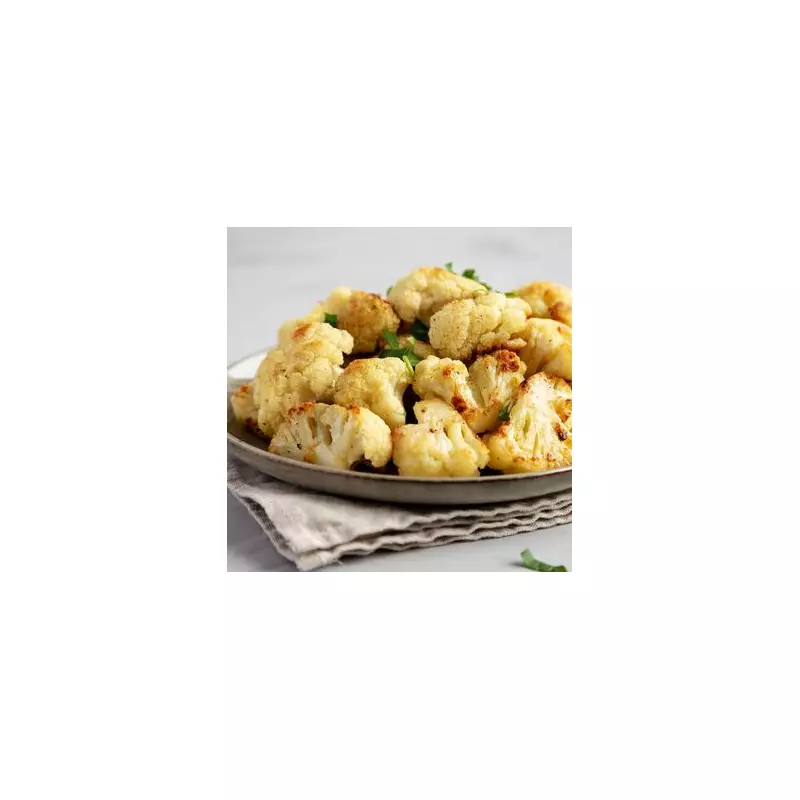
Many home cooks have been preparing broccoli and cauliflower incorrectly for years, but a simple tip from culinary legend Mary Berry offers a transformative solution. The traditional method of boiling these vegetables often results in bland, waterlogged florets that lose both flavour and nutritional value. However, Berry's recommended approach of stir-frying with olive oil creates a dish that is not only quicker to prepare but also significantly more delicious and nutritious.
The Problem with Boiling Broccoli and Cauliflower
Boiling broccoli and cauliflower has long been a standard kitchen practice, but this technique fundamentally undermines the vegetables' qualities. When submerged in boiling water, the distinctive flavours of these cruciferous vegetables leach out into the cooking liquid, leaving them tasting muted or even unpleasantly harsh. Beyond the flavour compromise, the nutritional profile suffers considerably as water-soluble vitamins like vitamin C and various B vitamins dissolve away during the boiling process. The result is vegetables that are both nutritionally depleted and texturally unappealing, often emerging soggy and lacking the satisfying crunch that makes them enjoyable.
Mary Berry's Game-Changing Alternative
In her acclaimed cookbook Mary Berry Everyday, the celebrated chef and television presenter reveals her preferred method for cooking these vegetables. She advocates for a quick stir-fry technique using olive oil, describing it as "very tasty" and noting that "the broccoli and cauliflower retain a nice crunch too." This approach represents a significant departure from conventional boiling methods and delivers superior results in multiple aspects.

The science behind this improvement is straightforward yet impactful. When broccoli and cauliflower are stir-fried over high heat, their natural sugars undergo caramelisation, developing richer, more complex flavours that range from pleasantly nutty to deeply umami. This flavour enhancement occurs alongside better nutrient retention, as the quick cooking process and minimal liquid exposure help preserve the vegetables' vitamin content. The method also maintains the desirable crisp-tender texture that boiling typically destroys.
Practical Implementation of the Stir-Fry Method
Implementing Mary Berry's technique requires just a few basic ingredients and straightforward preparation. The process begins with careful vegetable preparation, cutting both broccoli and cauliflower into small, uniform florets while discarding any tough leaves or stalks. This ensures even cooking and maximum surface area for caramelisation during the stir-frying process.
Step-by-Step Cooking Instructions
- Begin by finely slicing one onion and crushing two garlic cloves to create your flavour base.
- Heat olive oil in a large pan or wok until it reaches a high temperature, ensuring proper searing of the vegetables.
- Add the sliced onions first, stir-frying them for two to three minutes until they begin to soften and develop colour.
- Introduce the broccoli and cauliflower florets along with the crushed garlic, continuing to stir-fry for another two to three minutes as the vegetables start to turn golden brown.
- Reduce the heat slightly, cover the pan, and allow the vegetables to cook for approximately fifteen minutes, adjusting the timing based on your preferred level of crunchiness.
- Finish the dish by drizzling with one tablespoon of runny honey and seasoning generously with salt and pepper before serving.
Throughout the cooking process, it's advisable to monitor the pan closely and add additional oil if necessary to prevent sticking or burning. The honey addition at the final stage provides a subtle sweetness that beautifully complements the caramelised flavours developed during stir-frying.
Comparative Advantages Over Other Cooking Methods
This stir-fry approach offers distinct advantages beyond merely improving upon boiling techniques. Even compared to popular alternatives like oven-roasting with lemon juice, garlic, and parmesan, Berry's method delivers superior results in several key areas. The stir-fry technique is notably quicker than oven-roasting, requiring less than half the preparation and cooking time while still achieving excellent flavour development.

Nutritionally, stir-frying preserves more of the vegetables' inherent goodness than either boiling or prolonged roasting, maintaining higher levels of heat-sensitive nutrients. The method also offers greater textural control, allowing cooks to achieve their preferred balance between crispness and tenderness more precisely than with oven-based approaches. For those seeking to incorporate more vegetables into their diet without sacrificing flavour or nutritional value, this technique represents an ideal solution that transforms previously uninspiring ingredients into genuinely enjoyable culinary components.
Mary Berry's straightforward advice demonstrates how simple adjustments to cooking techniques can dramatically improve everyday meals. By abandoning traditional boiling in favour of quick stir-frying, home cooks can elevate broccoli and cauliflower from mundane side dishes to flavourful, nutrient-rich components that enhance any meal.