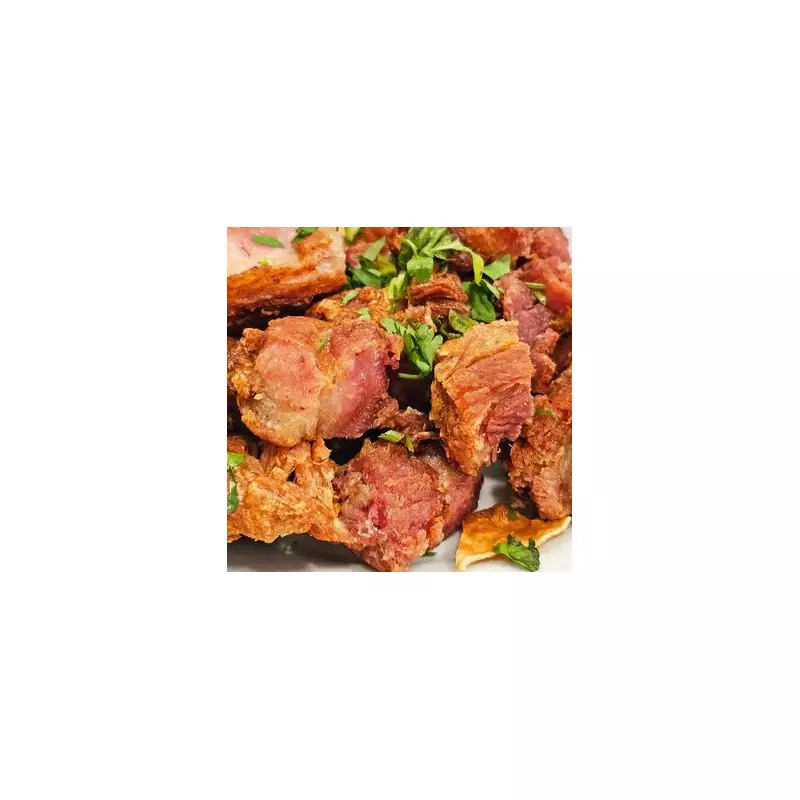
In a surprising turn for conventional dietary wisdom, an animal product has outperformed a host of celebrated fruits and vegetables in a global ranking of nutritional value.
Lard Outperforms Greens in Nutritional Ranking
According to a list compiled by BBC Future, pork fat, commonly known as lard, has secured the eighth spot among the world's 100 healthiest foods. It achieved a nutritional score of 73 out of 100, placing it ahead of 92 other items including green peas, red cabbage, tomatoes, mackerel, lettuce, oranges, and sweet potatoes.
The analysis, reported on January 20, 2026, highlights that pork fat is a rich source of B vitamins and various minerals. Crucially, it is noted as being more unsaturated and therefore healthier than lamb or beef fat.

The Heart-Healthy Profile of Pork Fat
The health credentials of lard are partly due to its fat composition. It contains monounsaturated fats like oleic acid, the same beneficial compound found in olive oil, which is known to support heart health. While it does contain some saturated fats, these are considered acceptable when consumed in moderation.
Experts emphasise that the farming method significantly impacts the nutritional quality. Lard from pasture-raised pigs tends to be healthier and can be a valuable source of fat-soluble vitamins like Vitamin D, especially if the animals are reared outdoors.
Interestingly, pork fat was the only animal fat or meat to make the prestigious list. The top spots were dominated by plant-based foods and fish, with almonds taking first place.
Ocean Perch Tops the List for Fish
The healthiest fish on the list was Ocean Perch, also known as rockfish, which ranked an impressive third overall with a score of 89. According to Facts.net, a 100g serving contains approximately 79 calories and 20 grams of protein, while being low in saturated fats.
This deep-water fish is also renowned for its high levels of:
- Vitamin B12, crucial for nerve function.
- Vitamin D, aiding bone health.
- Selenium, a powerful antioxidant.
- Phosphorus, important for energy metabolism.
The key takeaway for consumers is that while pork fat can be part of a balanced diet due to its unexpected nutritional profile, moderation remains essential. The findings challenge the automatic assumption that all animal fats are unhealthy and underscore the importance of considering both the food type and its source.