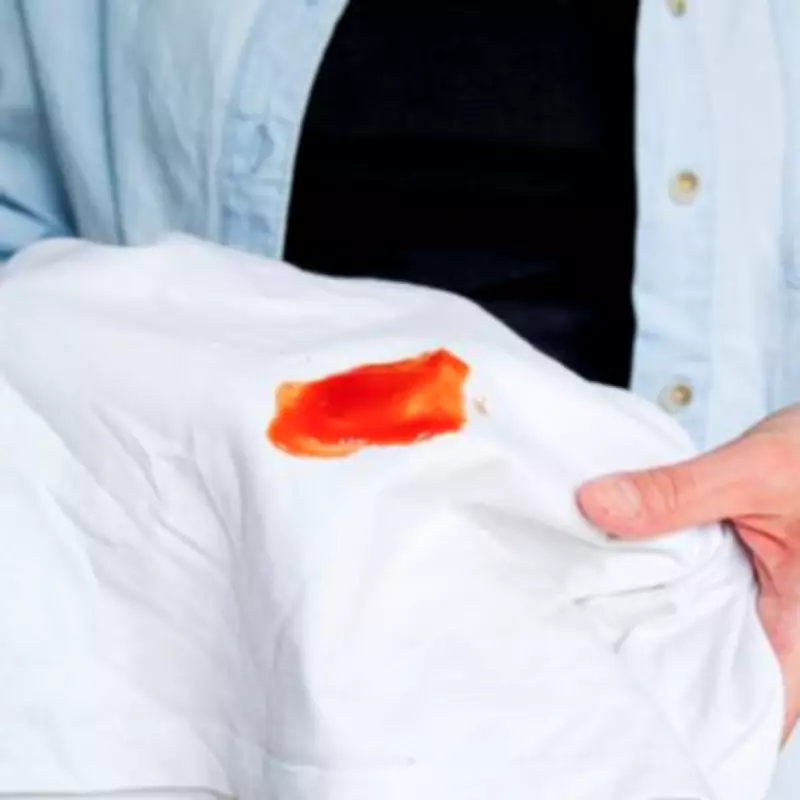
There is little more disheartening than spilling food down a pristine garment, particularly if the fabric is light or white. Vibrant stains seem to find every hiding place. For those struggling with stubborn marks, a cleaning guru advises against reaching for bleach. Instead, households can treat stains with an item found in every home: a kettle of boiling water.
The Boiling Water Method
Chantel Mila, known as Mama Mila on TikTok, has shared a stain-removal hack that requires no bleach and no scrubbing. She explains that pouring boiling water directly onto stains can lift them in seconds. In the video caption, she writes: 'You've been removing stains wrong this whole time. This method uses no bleach, no scrubbing - literally just boiling water! I was sceptical until I tried it, but it literally lifts stubborn stains in seconds.'
To apply, boil a kettle of water, lay the stained garment in an empty sink, and pour the boiling water directly onto each mark. The stains should disappear before your eyes. Mila tested this on berry, tomato sauce, and coloured energy drink stains, declaring: 'My mind is actually blown.'

Suitable Fabrics and Limitations
This method is suitable for most cotton and linen materials that can withstand heat. However, delicate fabrics such as silk, prints, and wool cannot tolerate boiling water. Additionally, boiling water is not effective for all stain types and can worsen some.
Jackie Ashley, co-founder of Ashley & Co. Everyday Launder, told Martha Stewart: 'Hot water can cause some stains to set or harden—especially protein-based ones like egg, blood, sweat, grass, and food stains—making them tougher to remove. It can also cause dyes to bleed and spread.'
Stains to Treat with Cold Water
Protein-based stains—such as blood, sweat, dairy, eggs, breastmilk, and meat juice—should always be treated with cold water. The same applies to grass, mud, and soil stains. For these, place the stained fabric face down and rinse with cold water from the back to prevent pigment spread. Wash such items separately to avoid staining other clothes.
Red wine and tea stains are also tricky. Heat can lock in tannins, making removal harder. According to Martha Stewart: 'Heat can lock in the tannins (the natural compounds these bevvies may include), making the pigment more difficult to remove fully.'
Fruit and Vegetable Stains
Using hot water on fruit and vegetable-based stains is counterproductive. The expert explains: 'Like wine, tomatoes and berries contain similarly hard-to-remove compounds that give these foods their naturally vivid hues. Washing them with hot water will only set them into the fibres (much like natural fabric dyes). Gentle stain removers like mild dish soaps and distilled white vinegar, plus cold water, are effective options.'