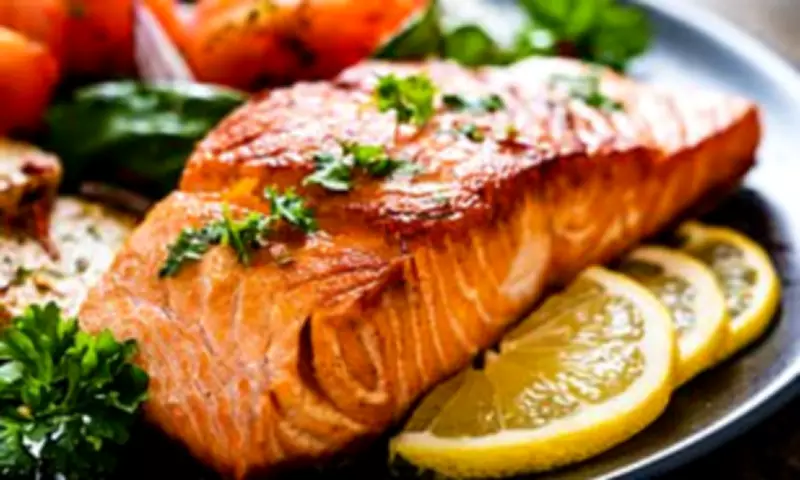
The UK's Favourite Fish: A Deep Dive into Salmon's Nutritional Power
Whether smoked, poached, raw, smothered in teriyaki sauce, or dished up in a comforting fish pie, Britons simply cannot get enough of salmon. This pink-fleshed favourite reigns supreme as the nation's most popular fish, with supermarkets selling over 73,000 tonnes in 2024 alone. Remarkably, salmon accounted for a full third of all fish sales last year, cementing its status as a culinary staple. But beyond its delicious versatility, how much do consumers truly understand about this nutritional powerhouse? More importantly, are people maximising its plethora of vital minerals and health-boosting nutrients?
Understanding Salmon Varieties and Their Nutritional Profiles
Surprisingly for many who have only ever encountered salmon carved up ready to eat, the species that grace our plates can grow remarkably large. The largest specimens can reach nearly five feet in length and weigh over 45 kilograms. Most salmon found in UK supermarkets is Atlantic salmon, predominantly farmed in Scotland, though it may also originate from Norway, Chile, and the Faroe Islands. Consumers can also purchase wild salmon, typically the sockeye species, which boasts a vibrant red colour derived from its plankton-rich diet. Supermarkets and fishmongers additionally stock other wild-caught Pacific varieties such as pink and keta salmon, alongside packets of glistening, orange-hued smoked salmon.
Both farmed and wild salmon are rich in omega-3 fatty acids, crucial for maintaining good heart health and strong eyesight. However, registered nutritionist Nichola Ludlam-Raine highlights some nutritional distinctions. 'Farmed salmon is usually higher in total fat and calories compared to wild salmon. The omega-3 content can also vary - wild isn’t automatically higher, it depends on species and, for farmed, the feed composition,' she explains. Beyond omega-3, salmon serves as an excellent source of high-quality protein containing all essential amino acids. It stands as one of the few foods providing substantial amounts of vitamin D, essential for a robust immune system and good mental health. Additionally, salmon contains vitamin B12, which supports red blood cells and the nervous system, alongside selenium, iodine, and potassium.

How Different Cuts and Cooking Methods Affect Nutritional Value
While basic nutrients remain consistent, different cuts can influence the overall fat content of the fish, subsequently adjusting omega-3 levels. 'If it’s the same species and the same “raw vs cooked” state, the main difference is usually fat content, and that will influence the total calories and how much omega-3 it contains,' says Ms Ludlam-Raine, author of How Not to Eat Ultra-Processed. 'Salmon fat isn’t perfectly uniform: belly or centre cuts tend to be fattier; tail portions are often leaner. That means tail can be slightly higher “protein per calorie”, while mid/fillet can be higher in total fat and omega-3. In practice, the variation is modest compared with bigger drivers like species, wild versus farmed, and cooking method.'
A typical 120g-150g salmon fillet provides approximately 24–33g of protein, constituting a substantial portion of the NHS recommendations of 45g daily for women and 55g for men. It also contains between 11-16g of fat, representing one-third to one-half of the NHS' daily recommendation of 30g. Cooking methods, marinades, and sauces can significantly increase this fat content.
The Skin Debate: To Eat or Not to Eat?
For squeamish diners or those calorie counting, removing the silvery skin and scraping off the grey fat beneath seems obvious. However, there are compelling reasons to keep the skin on, primarily because it contains additional omega-3 fats and collagen. Nutritionist Rob Hobson notes that 'the majority of key nutrients are in the flesh.' Ms Ludlam-Raine adds that not only does the skin introduce extra nutrients, but it also aids cooking by keeping the fish moist. 'For cooking, skin-on is great for grilling or baking as it protects the flesh and can crisp up,' she advises. 'If someone is watching their calorie intake though, they could cook skin-on for moisture then remove it before eating.'

Optimal Food Pairings to Enhance Nutritional Value
Salmon is already remarkably nutrient-dense, but pairing it with specific foods can elevate the overall meal. Serving salmon with fibre-rich carbohydrates such as lentils, quinoa, or wholegrains, or fermented vegetables like sauerkraut, can enhance gut health. It pairs beautifully with various vegetables; cruciferous options like broccoli and cabbage provide extra antioxidants, while leafy greens such as spinach, kale, and watercress offer folate, magnesium, and additional phytonutrients. 'Pairing oily fish with nitrate-rich greens may also support vascular function,' says Mr Hobson, author of Unprocess Your Life.
The natural fats in salmon improve absorption of fat-soluble carotenoids, the natural pigments that give vegetables their colour and convert to vitamin A in the body. Vitamin A is vital for building a healthy immune system and maintaining good eyesight. Consequently, Mr Hobson recommends consuming salmon with lycopene-rich tomatoes and colourful vegetables abundant in beta-carotene. 'Antioxidant-rich marinades and sauces using lemon or other citrus fruits, herbs, garlic, and extra virgin olive oil are a good addition too,' suggests Ms Ludlam-Raine.
Who Should Exercise Caution with Salmon Consumption?
Unless an individual has a fish allergy, most people can benefit from incorporating salmon into a balanced, healthy diet. The NHS recommends consuming one or two 140g portions of oily fish like salmon weekly. However, women who are pregnant, trying to conceive, or breastfeeding should limit oily fish, including salmon, to no more than two portions per week and avoid raw fish entirely. The NHS also advises pregnant women against eating cold-smoked or cured fish like smoked salmon and gravlax due to potential listeria contamination, which can lead to miscarriage, stillbirth, or serious illness in newborns. Elderly individuals should similarly exercise caution.
'When it comes to raw salmon such as sushi, sashimi, or the chunks served in a poke bowl, it should only be eaten if it has been previously frozen in line with UK food safety standards,' advises Mr Hobson, noting that this method ensures all parasites are eliminated. Ms Ludlam-Raine adds that people with high blood pressure or kidney disease should be wary of smoked salmon and some tinned varieties due to their high salt content.
Exploring Diverse Preparation Methods for Maximum Benefit
Sushi, Sashimi, and Poké Bowls: Raw salmon avoids heat exposure, preserving long-chain omega-3 fats (EPA and DHA) fully intact. Typically served without added cooking fats, it maintains moderate energy density while delivering high-quality protein. However, there is a small risk of foodborne illness or parasites if the fish hasn't been properly frozen and handled according to food safety regulations.
Poached Salmon: This gentle, low-temperature cooking method helps preserve omega-3 fats and prevents excessive oxidation. Requiring no added fat, it maintains moisture, making it heart-healthy and gentle on digestion. The mild flavour may benefit from accompanying sauces or herby salads.
Smoked Salmon: Retaining its protein and omega-3 content, smoked salmon offers convenience for sandwiches or salads straight from the pack. Its intense flavour means small portions can feel satisfying. However, it is typically high in salt, which may not suit those managing blood pressure.
Baked Salmon: A balanced cooking method that preserves most nutrients while allowing even cooking throughout the fillet. It pairs easily with fibre-rich vegetables and wholegrains, forming a nutritionally complete meal base. Overcooking can dry out the salmon and cause modest degradation of heat-sensitive fats.
Grilled Salmon: Grilling enhances flavour through caramelisation and creates appealing textures, potentially winning over those less enthusiastic about fish. This quick method requires no added fat. However, very high temperatures and charring can promote omega-3 fat oxidation and formation of compounds like heterocyclic amines.
Salmon Burgers: These can make oily fish more accessible, especially for children or those preferring familiar formats. When oven-baked with wholemeal breadcrumbs, they remain nutritious. Commercial versions often contain refined carbohydrates, added fats, and salt, increasing overall calories.
Fish Pie: When prepared with plenty of vegetables and a lighter sauce, fish pie offers a balanced combination of protein, omega-3 fats, and fibre. It effectively combines salmon with other seafood, increasing nutrient diversity. Traditional recipes relying on cream, butter, and large amounts of mashed potato can elevate saturated fat and calorie content.
Salmon en Croute: This French classic makes fish more appealing in social settings or special occasions, preserving moisture during cooking. However, the pastry significantly increases refined carbohydrate and fat content, shifting the nutritional balance away from salmon's strengths. It is best viewed as an occasional treat.
Tinned Salmon: An affordable way to incorporate this superfood into your diet, tinned salmon retains protein and omega-3 content. Varieties including soft edible bones provide a meaningful source of calcium. It is versatile for use in sandwiches, jacket potato toppings, omelettes, and tomato pasta sauces. Some products contain added salt, and the softer texture may not appeal to everyone.