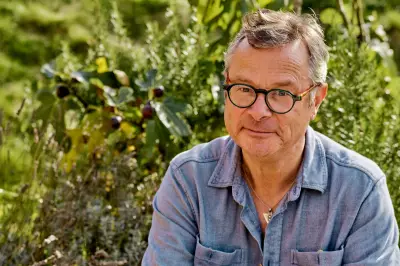
A renowned longevity expert has highlighted a remarkably simple and affordable dietary addition that could potentially extend your lifespan by up to four years. In a recent social media revelation, Dan Buettner, a 64-year-old National Geographic Fellow and best-selling author, pinpointed beans as the ultimate food for a longer, healthier life.
The Cornerstone of Longevity Diets
Buettner, who has spent decades researching global populations with exceptional longevity, described beans as "simple, cheap, and proven." He stated unequivocally: "The number one longevity food in the world is beans." This declaration is based on his extensive study of so-called 'blue zones' – five specific regions worldwide where residents consistently enjoy the longest and healthiest lives.
"It's the cornerstone of every blue zone diet in the world," Buettner explained in a TikTok video. "We know that eating just one cup of cooked beans is associated with four extra years of life expectancy."

Why Beans Are So Beneficial
The Netflix host and co-producer of the Emmy award-winning documentary series Live to 100: Secrets of the Blue Zones detailed the nutritional profile that makes beans such a powerful longevity food. "It's a great source of complex carbohydrates," he noted, before highlighting their fibre content: "Most Americans don't get enough fibre."
In a country often described as "protein-obsessed," Buettner emphasised that beans provide "a great source of healthy protein" alongside their other benefits. This combination of complex carbohydrates, fibre, and plant-based protein creates a nutritional powerhouse that supports overall health and longevity.
Scientific Backing for Bean Consumption
Buettner's recommendations align with official dietary guidelines. The Dietary Guidelines for Americans, 2020-2025, specifically identifies "beans, peas, and lentils" as a subgroup of both the vegetable and protein food groups that remains "underconsumed by most adults."
These guidelines outline core elements of a healthy dietary pattern, which include:
- Vegetables of all types – dark green, red and orange beans, peas, and lentils, starchy and other vegetables
- Fruits, especially whole fruit
- Grains, at least half of which are whole grains
- Dairy, including fat-free or low-fat milk, yoghurt, and cheese, and/or lactose-free versions and fortified soy beverages and yoghurt as alternatives
- Protein foods, including lean meats, poultry, and eggs, seafood, beans, peas, and lentils; and nuts, seeds and soy products
- Oils, including vegetable oils and oils in food, such as seafood and nuts
Additional Health Benefits Confirmed
Further support comes from UCLA Health, which has highlighted additional nutritional advantages of bean consumption. "A serving of beans provides many other important nutrients as well," their research notes. "One half-cup contains between 300 and 500 milligrams of potassium, varying by type of bean."
Potassium plays a vital role in blood pressure regulation, helping to counteract the negative effects of excessive sodium consumption. Yet, as with fibre, most Americans fail to consume adequate potassium in their daily diets, making beans an even more valuable addition.
Incorporating Beans into Your Diet
For those inspired to increase their bean consumption, Buettner's website features numerous Blue Zone recipes. One particularly accessible example is a traditional Minestrone soup, which incorporates multiple bean varieties for maximum nutritional benefit.
Blue Zone Minestrone Recipe
Ingredients:
- 1/3 lbs dry garbanzo beans
- 1/3 lbs dry white beans
- 1/3 lbs dry pinto or red beans
- 1.5 cups 1-2” cubed potatoes
- 6-8 cups of water or vegetable stock (for richer flavour)
- 1 medium onion, chopped
- 5 stalks celery, chopped
- 5 carrots, chopped
- 8 cloves garlic, chopped
- 1 bay leaf
- 1 tsp oregano
- 2 tbs olive oil
- 1 tsp red or black pepper (red pepper creates more heat)
- 1 – 14 oz can of chopped tomatoes or 5 Roma tomatoes
- Salt to taste
Directions:

- Soak beans overnight, or microwave dry beans in water while preparing other ingredients if time is limited.
- Sauté all vegetables in olive oil over low heat until onions become translucent.
- Add beans, canned tomatoes, potatoes, oregano, and bay leaf, then slow cook until beans become tender.
- Cook on extremely low heat throughout the day, adjusting water to achieve a consistency thicker than soup but thinner than stew. For quicker preparation, pressure cook or use an instant pot for five minutes, allowing the cooker to cool naturally.
- Finish with avocado when serving.
- Freeze leftovers in single-serving glass containers for future meals.
This simple, cost-effective approach to nutrition demonstrates how incorporating beans into regular meals could contribute significantly to improved health outcomes and potentially extended lifespan, following the dietary patterns observed in the world's healthiest, longest-living populations.