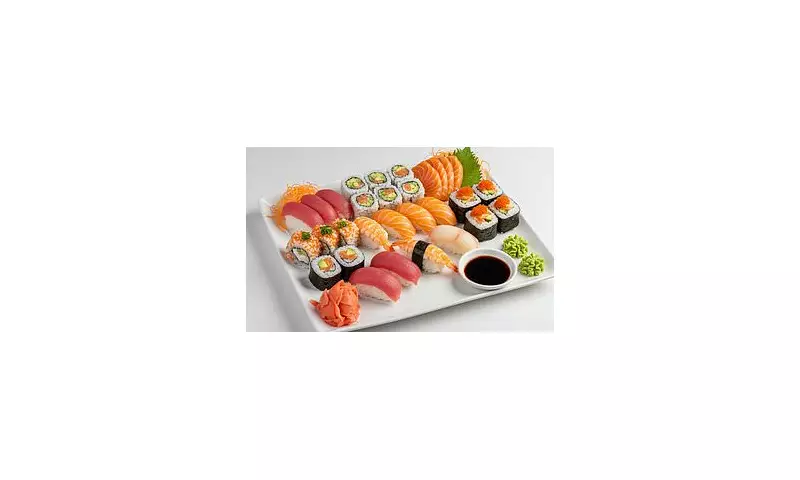
Once viewed as an exotic delicacy, sushi has transformed into one of Britain's most sought-after meal choices, celebrated for its reputation as a wholesome and flavourful alternative to conventional lunch options. Remarkably, the nation's supermarkets now distribute more than 11,000 tonnes of sushi each year, predominantly catering to consumers seeking a tasty and low-fat substitute for the traditional sandwich. Concurrently, the UK boasts over 2,800 dedicated sushi bars and restaurants, offering an extensive array of vibrant interpretations of the classic rice and raw fish combination that has been a cornerstone of Japanese culinary tradition for centuries.
The Nutritional Power of Traditional Sushi
The health advantages associated with sushi are largely attributed to the lean protein derived from fish, alongside a rich assortment of micronutrients. These beneficial elements are delivered through various components such as the seaweed wrapping, fish-egg garnishes, the piquant wasabi condiment, and even the pickled ginger served to cleanse the palate. This nutrient-dense profile is considered a contributing factor to the exceptional longevity observed in Japan, where record numbers of citizens live beyond 100 years of age. However, it is crucial to recognise that not all items featured on a sushi menu confer equal health benefits, with concerns emerging regarding toxin levels in certain fish species and the elevated calorie content of some processed dishes designed to appeal to modern European and American preferences.
Expert Insights from a Nutritional Therapist
Amanda Serif, a nutritional therapist affiliated with the British Association of Nutrition and Lifestyle Medicine and an enthusiastic sushi devotee, provides valuable guidance. She remarks, 'Sushi has earned a well-deserved reputation as a healthy lunch or dinner option, combining high-quality protein with an extensive range of essential vitamins and minerals.' She highlights that sushi can be an effective means of helping individuals achieve the recommended two to three weekly portions of oily fish. Nevertheless, she cautions that the health impact is heavily influenced by the specific types selected and the frequency of consumption.

Serif emphasises a stark contrast in health benefits between traditional Japanese sushi items and certain Westernised adaptations. She notes, 'The difference is night and day between more authentic Japanese offerings and some versions that incorporate fried elements and are laden with mayonnaise and spicy sauces. These tend to be significantly higher in fat, salt, and calories.' Additionally, she advises prudence regarding the soy sauce typically served for dipping, explaining, 'While it's tempting to soak the rice, soy sauce is usually very high in salt, which can elevate blood pressure. A better approach is to dip the fish, not the rice, as this provides a sharp contrast to the fish's oiliness without absorbing excessive salt.'
Healthiest Sushi and Sashimi Selections
Salmon Nigiri
A ubiquitous classic, salmon nigiri consists of a strip of raw fish atop a block of sticky, vinegar-flavoured white rice. Serif identifies this as one of the healthiest options, stating, 'Salmon is rich in vitamin D, making this dish an excellent choice. It provides high-quality lean protein abundant in long-chain omega-3 fatty acids, which are vital for heart, brain, and eye health. It also serves as a great source of vitamin B12, supporting nervous system function.' Although white rice alone can cause blood sugar spikes, the combination with fish mitigates this effect. Serif clarifies, 'The protein and healthy fats in the fish slow carbohydrate digestion, thereby avoiding the spike.'
Tuna Naruto Roll
Named after the Japanese term for whirlpool, reflecting its circular shape, the tuna naruto roll encases raw fish in cucumber strips instead of rice, reducing carbohydrate content and adding a refreshing crunch. Serif comments, 'Tuna is a lean protein source rich in omega-3 fatty acids, selenium—a potent antioxidant—and vitamin B6, which aids energy production. This roll is a superior choice for those managing blood sugar or following a low-carb diet compared to nigiri.'

Mackerel Temaki Roll
Shaped like an ice-cream cone, the mackerel temaki roll combines raw fish and sushi rice wrapped in nori seaweed. Serif describes this as 'the most powerful and healthiest choice on a sushi menu.' She elaborates, 'Gram for gram, mackerel is one of the richest dietary sources of omega-3 fatty acids, with research suggesting it can lower cholesterol, improve heart health, and reduce cardiovascular disease risk.' The nori seaweed is also praised as a treasure trove of micronutrients, including iron for red blood cells and zinc for cell growth and immune function.
Battleship Ikura
This dish features a small, hand-pressed oval of rice wrapped in seaweed and topped with fish eggs, usually from salmon. The eggs are cured in brine to enhance flavour and preserve their characteristic 'pop'. Serif notes, 'While the texture and taste may divide opinion, the eggs are a nutrient-dense food, packed with omega-3, vitamins B12 and D, selenium, and other antioxidants.'
Unhealthiest Sushi and Sashimi Options
Swordfish Sashimi
Sashimi, consisting of neat chunks of raw fish without rice, can pose risks with certain species. Swordfish, a common menu item, can accumulate high levels of mercury due to its predatory nature and contaminated waters. Serif warns, 'Nutritionally, swordfish is an excellent protein source, but contamination levels vary and are difficult to ascertain. It should be eaten very occasionally, and avoided by children under 16, pregnant women, and those trying to conceive.' Mercury can harm brain development in foetuses and children, and affect nerves, kidneys, and hearts in adults.
California Roll
Invented in late 1960s America to appeal to those wary of raw fish, California rolls typically use surimi (imitation crab meat) as the primary protein, with rice on the outside to conceal seaweed. Serif explains, 'This processed fish paste is likely to be fatty, salty, and contain additives like emulsifiers and flavourings, lacking the omega-3 benefits of raw fish.' The higher white rice-to-protein ratio can lead to blood sugar spikes, potentially causing fatigue and hunger later. Serif advises, 'Eating one California roll is fine, but consuming six at lunch may lead to afternoon drowsiness and sugar cravings.'
Eel Nigiri
Eel is grilled to remove a neurotoxin and served on rice, often glazed with a syrupy sauce made from soy sauce, mirin, and sugar. Serif points out, 'The sauce adds flavour but also makes it far more salty and calorific. The extra sugar means additional carbs on top of the white rice. Eating one piece is acceptable, but six could significantly impact blood pressure and blood sugar.'
Dragon Roll
An elaborate American creation resembling a dragon, this roll features rice on the outside topped with avocado slices, often drizzled with eel sauce and spicy mayo, and filled with prawn tempura. Serif labels it 'the burger and chips of the sushi world,' noting, 'Prawn fried in tempura batter contains fats that can increase cholesterol. With additives in the sauces, a slice of dragon roll may contain two or three times the calories of salmon nigiri. It's a far cry from the nutritious simplicity of traditional Japanese sushi.'
\nIn summary, while sushi offers substantial health benefits through traditional preparations, consumers should exercise discernment to avoid the pitfalls of Westernised, processed variants that compromise its nutritional integrity.